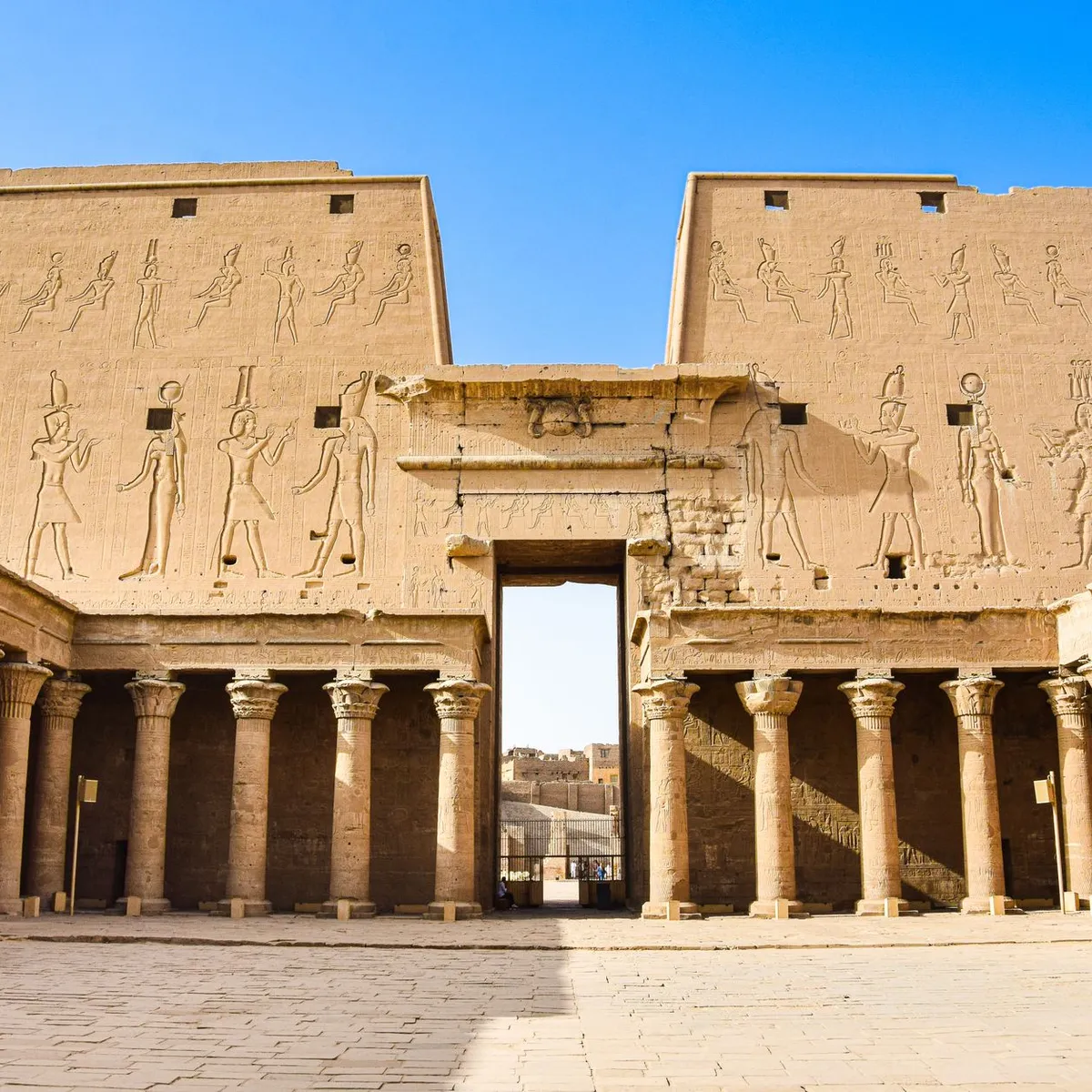
 Photo: AXP Photography / Pexels
Abū Kabīr
Abū Kabīr accessibility for wheelchair users
Compare Abū Kabīr by accessibility, transport, terrain, healthcare, cost, weather, laws, reviews, and community notes.
Abū Kabīr accessibility scores
Compare Abū Kabīr by accessibility, transport, terrain, healthcare, cost, weather, and laws. General stats use public data and models. Community rows reflect member reviews and votes.
General stats
National benchmarks and estimates — your experience in this city may differ.
Community
Starts from our estimate — thumbs up nudge toward Excellent, down toward Poor. Reviews use 1–5 stars.
These figures combine public statistics, models, and live weather where available. Every city is different — treat this as a guide, and share what you know in the Reviews & Corrections tab.
Profile last updated 7/1/2026.
Abū Kabīr wheelchair accessibility guide
Research Abū Kabīr for wheelchair users and caregivers: getting around, terrain, healthcare, costs, climate, accessible things to do, and practical caveats before booking.
Last updated 7/1/2026At a glance
Abū Kabīr is a Delta town in Egypt with one major accessibility advantage and several practical limits. The terrain profile is almost flat: OpenTopoData-derived sampling shows an average elevation around 10 m, a mostly flat label, and a sampled maximum grade near 0.3%. That makes the basic geography kinder than many cities. The challenge is infrastructure. RollVenture's live row gives low-to-mid accessibility indicators, very sparse OSM surface tagging, and no confirmed tourist-accessibility sources in this quick pass. Costs are comparatively low, with estimated monthly living costs from ~$1,354/mo and housing from ~$404/mo, but reliable accessible housing may be the bottleneck.
Getting around
Expect informal local transport and private arrangements rather than documented accessible buses. For wheelchair users, the realistic plan is a driver, a known pickup point, and short errands grouped together. Ask drivers in advance about boot space for mobility aids and whether streets near the destination are passable during market hours.
Terrain & mobility
The land itself is favorable: flat, low elevation, and little sampled grade. The problem is that OSM pavement data around Abū Kabīr is mostly untagged, so the low pavement confidence should be taken seriously. Sidewalk continuity, curb cuts, drainage channels, and parked vehicles may matter more than hills. Manual wheelchair users should plan with a companion for thresholds and crowded streets.
Healthcare & care
The live healthcare profile lists OSM leads outside the immediate centre, including الوحدة الصحية, عيادة نساء وتوليد, and عيادة. Distances in the row are several kilometres from the city centre, so do not assume walkable or rollable access. Confirm the exact facility, emergency capability, entrance steps, and language support by phone before relying on any listing.
Costs & housing
The country-model estimates make Abū Kabīr look inexpensive, but accessibility can erase that advantage. A step-free ground-floor flat, Western-style bathroom setup, backup power, and dependable caregiver introductions should be priced before arrival. Short test stays are safer than remote long-term commitments.
Climate & comfort
The Nile Delta climate means hot summers, dust, and humid periods. Flatness helps mobility, but heat management is central: schedule errands early or late, keep water accessible, and protect power chairs and cushions from dust.
Accessible things to do
Town-centre errands loop— The flattest practical activity is a short assisted loop for cafes, groceries, and services; verify surfaces block by block.
الوحدة الصحية lead— Use the OSM-listed health unit as a local-services anchor, not as a guaranteed accessible facility.
عيادة نساء وتوليد lead— A clinic lead useful for care planning or navigation; confirm entry and appointment details first.
Nearby agricultural canals and village roads— Potentially calm scenery by car, but avoid unverified unpaved shoulders and drainage edges in a wheelchair.
Community & language
Arabic is essential. English support may be limited, so arrange a local contact for phone calls, appointments, and landlord checks. Written accessibility details are unlikely.
Would we recommend it?
Only with strong local support. The flat terrain is promising, but the lack of verified accessible transport, sparse pavement data, and limited healthcare confirmation make it a cautious, practical-living destination rather than an easy accessible travel pick.
These figures combine public statistics, models, and live weather where available. Every city is different — treat this as a guide, and share what you know in the Reviews & Corrections tab.
Profile last updated 7/1/2026.