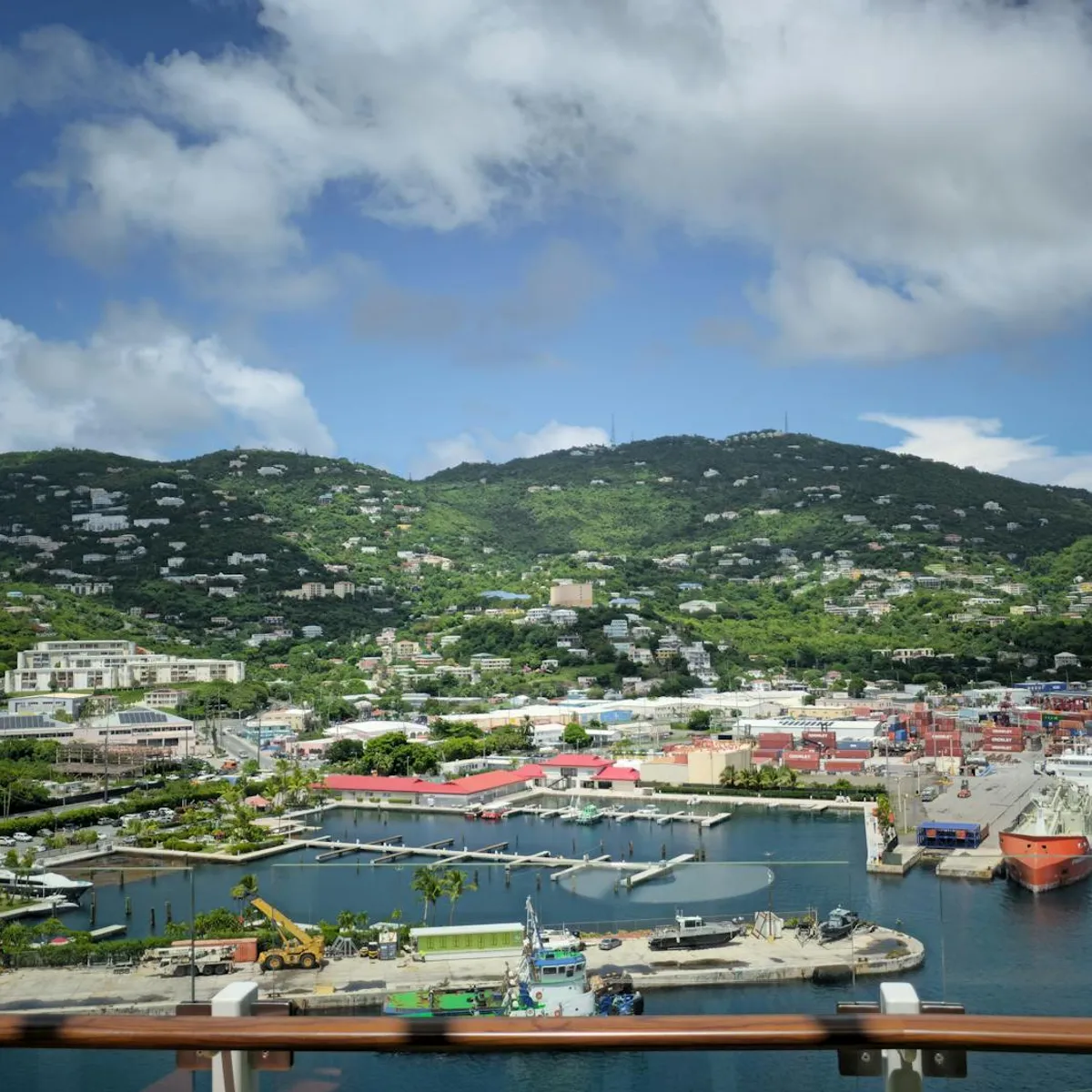
 Photo: Arian Fernandez / Pexels
Adamstown
Adamstown accessibility for wheelchair users
Compare Adamstown by accessibility, transport, terrain, healthcare, cost, weather, laws, reviews, and community notes.
Adamstown accessibility scores
Compare Adamstown by accessibility, transport, terrain, healthcare, cost, weather, and laws. General stats use public data and models. Community rows reflect member reviews and votes.
General stats
National benchmarks and estimates — your experience in this city may differ.
Community
Starts from our estimate — thumbs up nudge toward Excellent, down toward Poor. Reviews use 1–5 stars.
These figures combine public statistics, models, and live weather where available. Every city is different — treat this as a guide, and share what you know in the Reviews & Corrections tab.
Profile last updated 6/30/2026.
Adamstown wheelchair accessibility guide
Research Adamstown for wheelchair users and caregivers: getting around, terrain, healthcare, costs, climate, accessible things to do, and practical caveats before booking.
Last updated 6/30/2026At a glance
Adamstown is the only settlement on Pitcairn Island, one of the most remote inhabited places in the world. It is friendly, tiny, and historically fascinating, but it is not an easy accessibility destination. The DB row gives an overall score of 55, accessibility 40, and a population of about 46. Costs are high for the database, from ~$3,275/mo, mostly because every visit depends on scarce transport, shipping, and local coordination.
Getting around
Wikivoyage notes there is no airport; visitors arrive by sea, commonly via Mangareva and the dedicated passenger/shipping vessel. The landing is at Bounty Bay, then the route climbs the Hill of Difficulty to Adamstown. Local movement is mainly walking and all-terrain vehicles, with rugged dirt trails beyond the short paved road. Wheelchair users should discuss landing transfer, lifting, vehicle type, and backup plans directly with Pitcairn tourism or hosts before booking.
Terrain & mobility
The island is volcanic and steep, with cliffs, dirt tracks, and limited infrastructure. The DB terrain profile is gentler than the lived reality of sea landing plus hill transfer, while pavement data shows many unpaved, gravel, and soil routes. A manual wheelchair without strong helpers is a poor fit. A rugged power chair may still face battery, charging, salt spray, and transfer risks.
Healthcare & care
The DB healthcare lead is Pitcairn Health Centre near the settlement. Treat it as basic local care, not a substitute for mainland medical access. Evacuation can be slow and weather-dependent. Bring a long medication buffer, repair supplies, pressure-care equipment, and insurance that understands remote maritime evacuation.
Costs & housing
The DB estimate starts around ~$3,275/mo, with housing from ~$1,646/mo. Confirm lodging access in writing: path surface, steps, doorway width, bathroom layout, shower chair availability, generator/power reliability, and whether hosts can help with port transfers.
Climate & comfort
Wikivoyage describes a humid tropical climate, generally warm, with typhoon risk from November to March. Heat, rain, rough seas, and salt air all affect mobility equipment. Build extra days into travel plans because ship schedules and landings can shift.
Accessible things to do
Pitcairn Island Museum— Wikivoyage lists the Adamstown museum with Bounty artifacts and local history; verify step-free entry before arrival.
Bounty Bay and the Bounty anchor— historically central and reachable as part of arrival logistics, but the landing area is not a conventional accessible harbor.
Adamstown public square and church area— the small settlement core has the post office/library area and Seventh-day Adventist church; ask hosts which paths are firmest.
Fletcher Christian’s Cave viewpoint— a key historic site, but likely trail-dependent; consider it a companion/photo outing unless access is confirmed.
St Paul’s Pool or coastal views— Wikivoyage mentions swimming only when calm; wheelchair users should treat the coast as scenic rather than independently accessible.
Community & language
English is official, and the small community means advance relationships matter. Be clear and specific about mobility needs; vague “accessible room” language is not enough.
Would we recommend it?
For adventurous travelers with strong assistance and medical tolerance, yes, cautiously. For independent wheelchair travel or fragile health, no: remoteness and transfer risk dominate the charm.
These figures combine public statistics, models, and live weather where available. Every city is different — treat this as a guide, and share what you know in the Reviews & Corrections tab.
Profile last updated 6/30/2026.