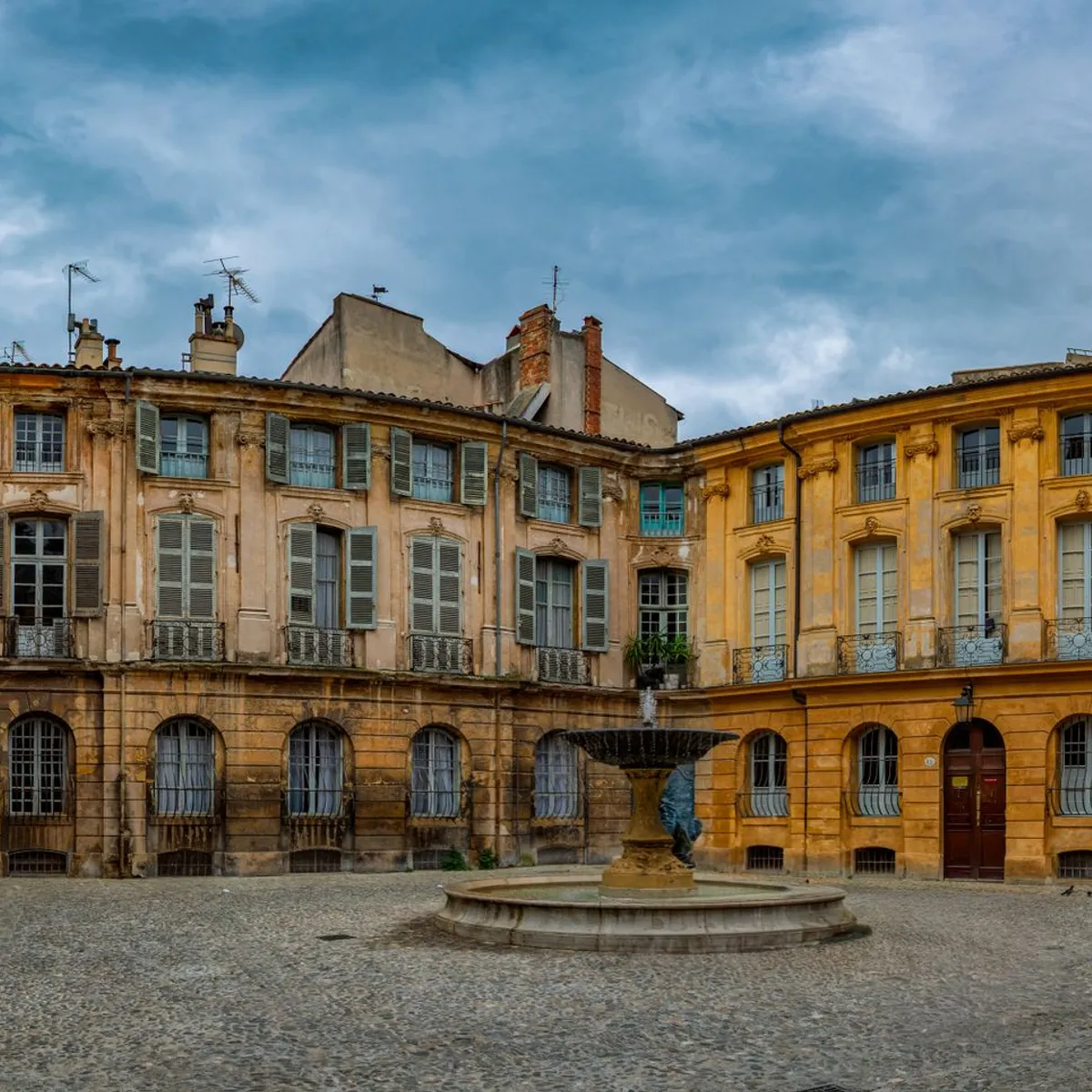
 Photo: Geert Willemarck / Pexels
Aix-en-Provence
Aix-en-Provence accessibility for wheelchair users
Compare Aix-en-Provence by accessibility, transport, terrain, healthcare, cost, weather, laws, reviews, and community notes.
Aix-en-Provence accessibility scores
Compare Aix-en-Provence by accessibility, transport, terrain, healthcare, cost, weather, and laws. General stats use public data and models. Community rows reflect member reviews and votes.
General stats
National benchmarks and estimates — your experience in this city may differ.
Community
Starts from our estimate — thumbs up nudge toward Excellent, down toward Poor. Reviews use 1–5 stars.
These figures combine public statistics, models, and live weather where available. Every city is different — treat this as a guide, and share what you know in the Reviews & Corrections tab.
Profile last updated 6/30/2026.
Aix-en-Provence wheelchair accessibility guide
Research Aix-en-Provence for wheelchair users and caregivers: getting around, terrain, healthcare, costs, climate, accessible things to do, and practical caveats before booking.
Last updated 6/30/2026At a glance
Aix-en-Provence is attractive, cultured, and relatively well served, but it is not effortless for wheelchair users. The old centre has fountains, markets, museums, and Cours Mirabeau charm, while the access challenges are cobbles, older buildings, summer heat, and gradients around the historic core. RollVenture estimates costs at from ~$3,488/mo, with housing from ~$1,559/mo, so this is a premium choice in the batch. It works best for travelers who value Provençal culture and can pay for well-located, verified housing.
Getting around
The official tourism site lists the Tourist Office, City Pass, guided tours, museums, activities, and a quick-access “Tourism for the Disabled” link. That makes Aix better documented than many cities, but practical access still depends on the exact street, venue, and season. Use buses or taxis for longer moves, confirm accessible stops, and avoid building a day around multiple old-town transfers unless each entrance has been checked.
Terrain & mobility
The terrain profile is hilly, though not mountainous, and the pavement score is decent with high-confidence OSM sampling. The main issue is the historic fabric: narrow pavements, stone surfaces, market stalls, terraces, and curb transitions. Cours Mirabeau and central squares can be rewarding with the right route, but side streets may be slow. Summer crowds can make a technically accessible route feel inaccessible.
Healthcare & care
The live healthcare profile lists several OSM clinic leads close to the centre, including Aixel vision, Centre de Gérontologie Saint-Thomas de Villeneuve, Centre médical des Alpes, Centre de la Main du Pays d’Aix, and Centre du pied. Treat these as starting points only. For ongoing care, confirm accessible entrances, French-language paperwork, specialist referrals, and emergency routes to larger hospital services in the Aix/Marseille area.
Costs & housing
Aix is expensive for this set: from ~$3,488/mo overall, with housing from ~$1,559/mo. Accessibility-friendly housing near the centre may cost more than the model estimate. Ask for step-free entry from street to unit, lift size, bathroom photos, air conditioning, and distance to a smooth route. A modern apartment outside the oldest lanes may be more practical than a postcard-perfect historic flat.
Climate & comfort
Seasonal comfort can make or break the stay. In summer, plan short morning outings, shade, hydration, and indoor breaks; in winter or wet weather, allow extra time for slippery surfaces and transport delays. A wheelchair-friendly apartment with reliable heating/cooling and a short grocery route is more important than a postcard location.
Accessible things to do
Cours Mirabeau— The iconic central boulevard is the best first route to test Aix’s surfaces, shade, cafés, and crowd levels before committing to longer old-town loops.
Aix-en-Provence Tourist Office / City Pass planning— The official site centralizes activities and lists a disability-tourism quick link; use it to ask for current accessible itineraries.
Musée Granet area— A major cultural stop; verify lift access, accessible toilets, and temporary exhibition routes before visiting.
Atelier de Cézanne / Cézanne sites— Important for art-focused visitors, but routes and buildings can be constrained; confirm accessibility directly rather than assuming step-free access.
Community & language
Use the local language for housing, healthcare, and transport confirmations when possible, and keep written replies. Tourism staff may help in English, but clinics, landlords, drivers, and small venues often need specific practical questions: step-free entrance, lift size, accessible toilet, companion seating, and nearest drop-off point.
Would we recommend it?
Yes, for higher-budget travelers who want Provence and can verify housing and routes. It is not the easiest city in France for wheelchair logistics, but official tourism resources and good services make planning possible.
These figures combine public statistics, models, and live weather where available. Every city is different — treat this as a guide, and share what you know in the Reviews & Corrections tab.
Profile last updated 6/30/2026.