 Photo: Shanu Azhikode / Pexels
Al Bahah
Al Bahah accessibility for wheelchair users
Compare Al Bahah by accessibility, transport, terrain, healthcare, cost, weather, laws, reviews, and community notes.
Al Bahah accessibility scores
Compare Al Bahah by accessibility, transport, terrain, healthcare, cost, weather, and laws. General stats use public data and models. Community rows reflect member reviews and votes.
General stats
National benchmarks and estimates — your experience in this city may differ.
Community
Starts from our estimate — thumbs up nudge toward Excellent, down toward Poor. Reviews use 1–5 stars.
These figures combine public statistics, models, and live weather where available. Every city is different — treat this as a guide, and share what you know in the Reviews & Corrections tab.
Profile last updated 6/30/2026.
Al Bahah wheelchair accessibility guide
Research Al Bahah for wheelchair users and caregivers: getting around, terrain, healthcare, costs, climate, accessible things to do, and practical caveats before booking.
Last updated 6/30/2026At a glance
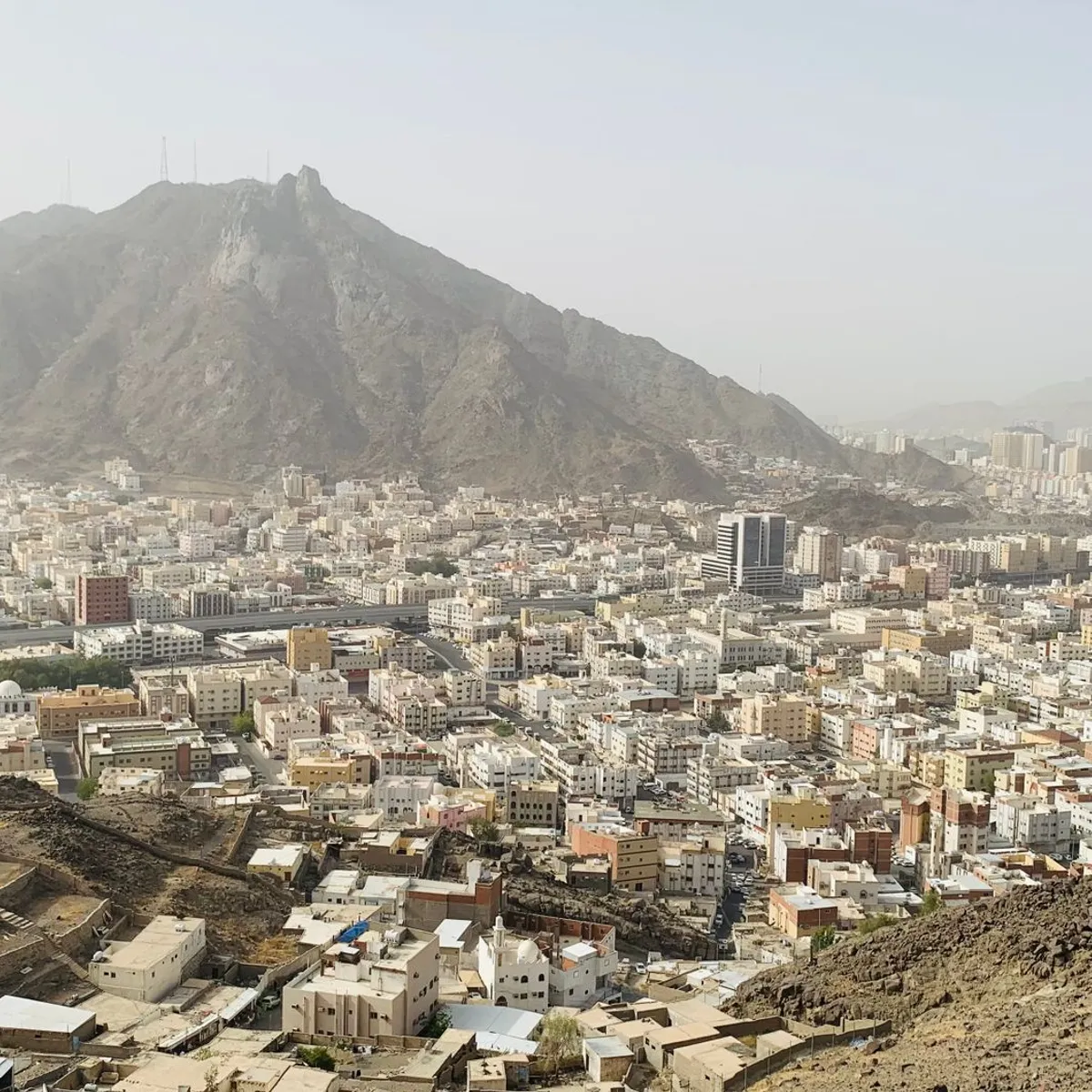
Al Bahah is a scenic highland city in Saudi Arabia, known more for mountain viewpoints, forests, and heritage villages than for dense urban convenience. RollVenture’s row is appealing on safety and modeled cost, with living costs from ~$2,039/mo and strong internet estimates, but the mobility profile is challenging. The terrain sample is very hilly, with steep grades and a high elevation setting. Treat this as a destination for travelers who can arrange private transport, choose modern hotels carefully, and enjoy viewpoints and parks from accessible drop-off points rather than expecting independent street exploration.
Getting around
Do not rely on spontaneous wheelchair-accessible public transport. The safer plan is a private car or hired driver, with hotel staff confirming vehicle height, luggage space, and whether the chair can remain assembled. Al Bahah’s attractions are spread across mountain roads, so transfer planning matters more than distance on a map. For airport or intercity arrival, pre-book assistance and keep Arabic names for hotel, hospital, and attractions on hand.
Terrain & mobility
This is the core caveat. RollVenture’s elevation sample marks Al Bahah as very hilly, with a maximum grade around 31% and only partial flat sampling. Even when roads are paved, slopes, drop-offs, and viewpoint layouts can make manual-chair movement tiring or unsafe. Pavement data is low-confidence and mostly untagged/asphalt, so verify each venue. A power chair, portable ramp, and companion support are strongly preferred.
Healthcare & care
The database has one nearby OSM healthcare lead: King Fahd Hospital, marked as an emergency-capable hospital about 6 km from the city center. Treat that as a starting point only; call ahead for departments, language support, step-free entrance details, and whether your insurance is accepted. For recurring therapy, specialist care, or home aid, arrange through a hotel, clinic, or Saudi-based provider before arrival rather than assuming walk-in availability.
Costs & housing
Modeled living cost is from ~$2,039/mo, with housing around $586/mo, but accessible hotel rooms may be more expensive than the average housing model suggests. Ask for no-step entrance from parking to lobby, elevator access, bathroom grab bars, shower threshold photos, bed height, and whether paths to breakfast or parking involve slopes. Modern hotels are a better bet than heritage-style lodging.
Climate & comfort
Al Bahah’s elevation makes it cooler than many Saudi cities, which can be a comfort advantage, especially in summer. Mountain weather can still shift quickly; rain and fog can make steep roads and viewpoints harder to use. Plan shorter outings and keep indoor rest options.
Accessible things to do
Raghadan Forest Park— a well-known Al Bahah park area; use car-based access and verify paved paths, gradients, and restroom access before committing.
Dhee Ayn / Thee Ain heritage village viewpoint— the stone village is an important regional heritage sight, but the site itself may involve slopes and uneven surfaces; a viewpoint may be more realistic than full exploration.
Al Bahah mountain viewpoints— scenic drives can be the most accessible way to experience the region if stops have safe, level pull-offs.
Central malls or modern cafes— not the headline attraction, but often the most reliable low-step option for restrooms, climate control, and predictable surfaces.
Community & language
Arabic is the main language. English may be available in hotels and hospitals but should not be assumed with drivers or small venues. Saudi accessibility standards are improving, yet local execution varies; direct phone confirmation is essential.
Would we recommend it?
Yes, but only for travelers comfortable with private transport and steep terrain. It is better as a planned scenic stay than as an independent roll-around city.
These figures combine public statistics, models, and live weather where available. Every city is different — treat this as a guide, and share what you know in the Reviews & Corrections tab.
Profile last updated 6/30/2026.