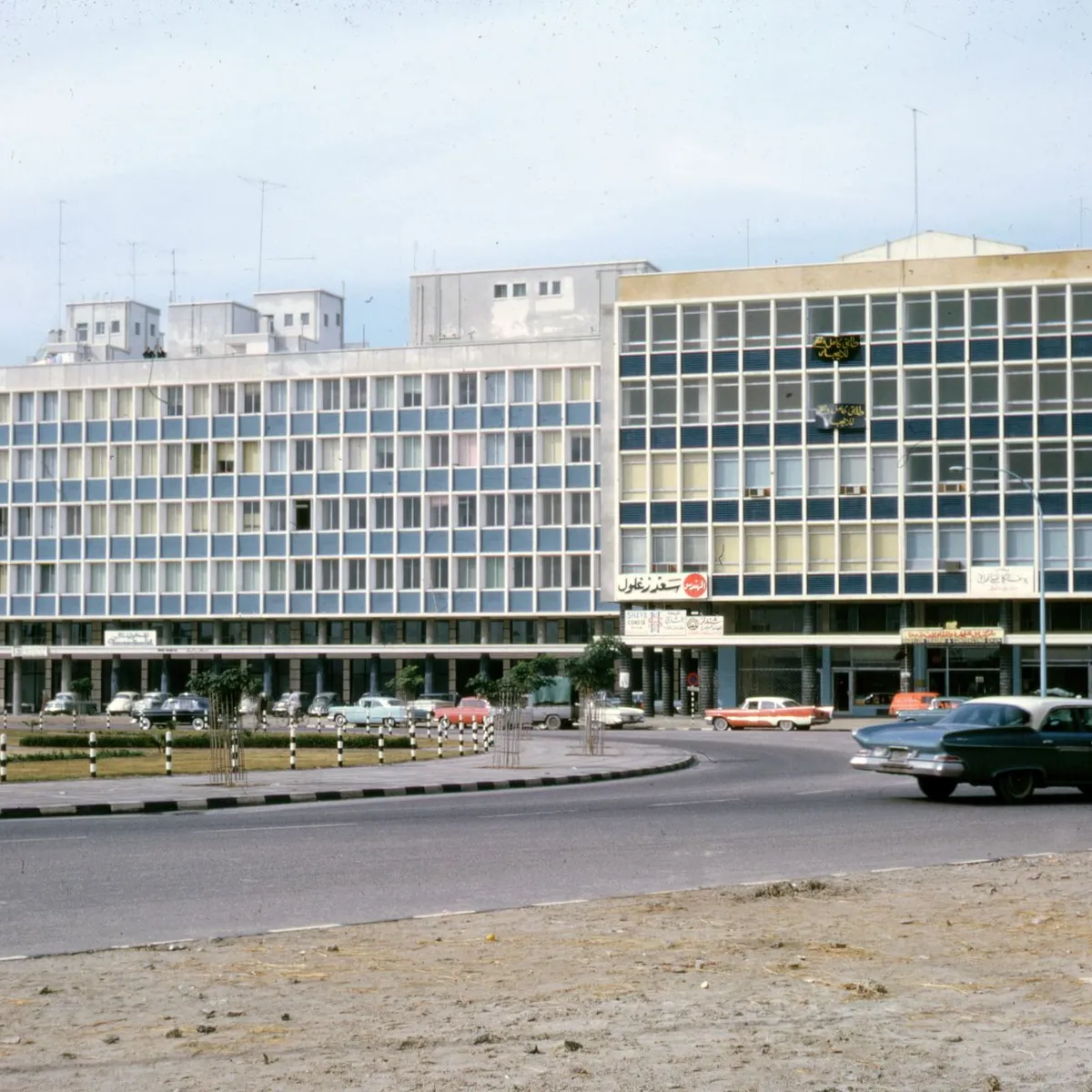
 Photo: Brett Jordan / Pexels
Al Farwānīyah
Al Farwānīyah accessibility for wheelchair users
Compare Al Farwānīyah by accessibility, transport, terrain, healthcare, cost, weather, laws, reviews, and community notes.
Al Farwānīyah accessibility scores
Compare Al Farwānīyah by accessibility, transport, terrain, healthcare, cost, weather, and laws. General stats use public data and models. Community rows reflect member reviews and votes.
General stats
National benchmarks and estimates — your experience in this city may differ.
Community
Starts from our estimate — thumbs up nudge toward Excellent, down toward Poor. Reviews use 1–5 stars.
These figures combine public statistics, models, and live weather where available. Every city is different — treat this as a guide, and share what you know in the Reviews & Corrections tab.
Profile last updated 7/1/2026.
Al Farwānīyah wheelchair accessibility guide
Research Al Farwānīyah for wheelchair users and caregivers: getting around, terrain, healthcare, costs, climate, accessible things to do, and practical caveats before booking.
Last updated 7/1/2026At a glance
Al Farwānīyah is a dense inland governorate area of Kuwait, close to Kuwait International Airport and connected to the wider Kuwait City urban region. It is more practical base than classic sightseeing city: hospitals, malls, airport access, and asphalt roads are the strengths. The DB profile gives it relatively solid infrastructure and high pavement confidence, with living costs from ~$2,619/mo and housing from ~$1,026/mo. Heat, car dependence, and building-by-building accessibility checks are the main constraints.
Getting around
Do not plan on spontaneous accessible public transit. The realistic pattern is private car, taxi, or hired driver, especially for airport transfers, hospital visits, and trips into Kuwait City. Confirm luggage and wheelchair capacity before booking. Sidewalk rolling can be interrupted by driveways, parked cars, heat exposure, and road crossings, even where surfaces are generally paved.
Terrain & mobility
The DB terrain profile is favorable: low elevation, gently rolling terrain, and dominant asphalt in OSM pavement data. This makes Al Farwānīyah easier physically than hilly old-city destinations. The hard part is climate and urban design: wide roads, long blocks, sun exposure, and ramps that may exist at buildings but not along the entire pedestrian route. A powerchair user should plan battery range around indoor cooling stops.
Healthcare & care
OpenStreetMap lists Farwaniya Hospital as a major nearby hospital lead, plus primary healthcare centres in the wider district. Treat this as a lead and verify departments, language support, appointment rules, and step-free access. Kuwait can offer strong private and public healthcare, but eligibility, payment, and referral procedures vary by residency/visitor status. For personal care, arrange through a hotel, clinic referral, or trusted local contact rather than arriving without support.
Costs & housing
Costs are higher than many Asian or Latin American rows in this batch: from ~$2,619/mo, with housing from ~$1,026/mo. The trade-off is newer building stock in some areas. Prioritize hotels or serviced apartments with lifts, roll-in or low-threshold showers, nearby grocery delivery, and reliable air conditioning. Ask whether entrances have ramps that are usable independently, not just service ramps at the back.
Climate & comfort
Summer heat can be dangerous for wheelchair users, especially with pressure-care, autonomic, or respiratory concerns. Plan indoor routes, mall breaks, covered drop-offs, and evening errands. Dust can affect cushions, bearings, and breathing. Winter is much more comfortable for outdoor movement.
Accessible things to do
The Avenues Mall— A major Kuwait shopping and dining complex reachable by car from Farwānīyah; large modern malls are among the most plausible step-free outings, but confirm parking/drop-off and elevator locations.
Kuwait Towers / waterfront drive— A Kuwait City landmark outing best done by hired car with close drop-off; verify current elevator and viewing-area access before buying tickets.
Grand Mosque area— A culturally important visit in Kuwait City; arrange visitor information ahead of time and confirm accessible entrances, dress rules, and timing.
Farwaniya Park / local green spaces— Low-key neighborhood outings may work in cooler weather, but path quality, toilets, and curb cuts should be checked locally.
Community & language
Arabic is official; English is widely useful in hotels, malls, and medical settings. Kuwait is conservative, so modest dress and awareness of prayer times improve comfort. Migrant communities are large, which can help with English-language services.
Would we recommend it?
Yes for travelers who value airport proximity, medical access, malls, and car-based logistics. No for someone seeking walkable historic streets, cheap long stays, or outdoor independence during hot months.
These figures combine public statistics, models, and live weather where available. Every city is different — treat this as a guide, and share what you know in the Reviews & Corrections tab.
Profile last updated 7/1/2026.