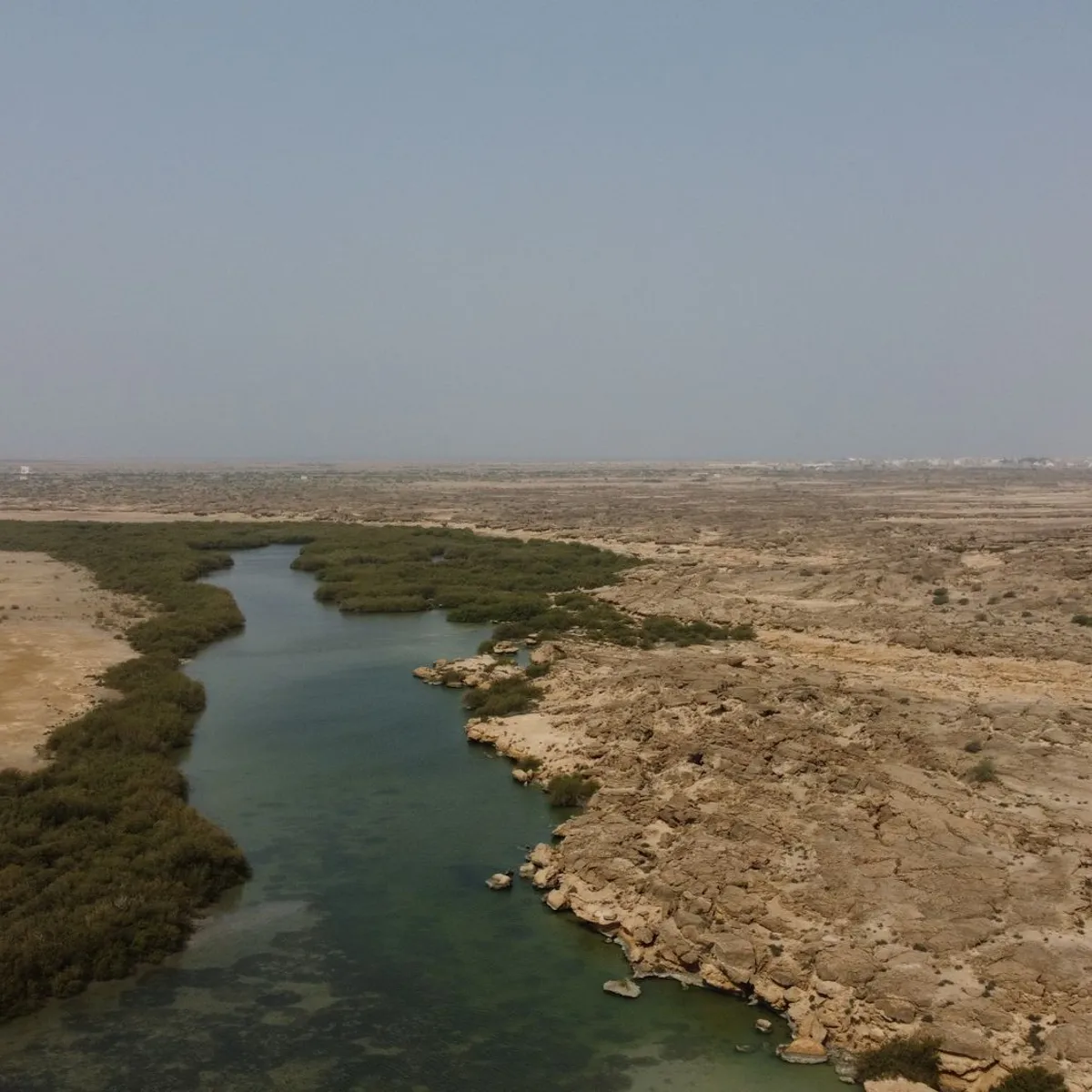
 Photo: Asad Ansari / Pexels
Al Jubayl
Al Jubayl accessibility for wheelchair users
Compare Al Jubayl by accessibility, transport, terrain, healthcare, cost, weather, laws, reviews, and community notes.
Al Jubayl accessibility scores
Compare Al Jubayl by accessibility, transport, terrain, healthcare, cost, weather, and laws. General stats use public data and models. Community rows reflect member reviews and votes.
General stats
National benchmarks and estimates — your experience in this city may differ.
Community
Starts from our estimate — thumbs up nudge toward Excellent, down toward Poor. Reviews use 1–5 stars.
These figures combine public statistics, models, and live weather where available. Every city is different — treat this as a guide, and share what you know in the Reviews & Corrections tab.
Profile last updated 7/2/2026.
Al Jubayl wheelchair accessibility guide
Research Al Jubayl for wheelchair users and caregivers: getting around, terrain, healthcare, costs, climate, accessible things to do, and practical caveats before booking.
Last updated 7/2/2026At a glance
Al Jubayl is a Gulf coast industrial city with unusually flat terrain in the RollVenture row: the sampled max grade is only about 0.2%, and the city scores well for terrain. That is a real advantage for wheelchair users, but it does not automatically mean seamless access. The pavement profile is low-confidence, and the city is spread across residential, industrial, and waterfront zones where car travel is usually the practical default.
The DB cost estimate is from ~$2,247/mo. Jubayl is most suitable for travellers who can arrange private transport, want a quieter coastal base, and prefer newer planned districts over dense historic streets.
Getting around
Expect to move by car. Intercity access is usually via the Eastern Province road network, with Dammam/Khobar as broader regional hubs. For local rides, ask hotels or hosts about step-free vehicle options, folding-wheelchair storage, and drop-off points close to beaches, corniche areas, and clinics.
Do not plan long unsheltered rolls. Distances, heat, and wide roads make point-to-point routing safer than trying to connect sights on foot.
Terrain & mobility
The terrain data is encouraging: mostly flat, very low elevation range, and a modest OSM pavement score. The caveat is confidence. Many roads and paths may be untagged in OSM, so treat the score as a clue, not a guarantee. Newer corniche or park areas may be easier than older side streets, but ramps, tactile paving, curb cuts, and accessible toilets still need spot checks.
For housing, prioritise newer buildings with lifts, covered parking, and photos of bathrooms. A flat city still becomes difficult if the apartment has steps at the entrance.
Healthcare & care
The row lists several OSM healthcare leads near the centre, including Jubail Medical Center, KIMS Hospital, Khonaini Medicare, and local clinics. These entries are useful starting points only. Call before relying on them for step-free access, English intake, emergency capability, specialist availability, and wheelchair-accessible toilets.
If you need recurring therapy, dialysis, or home care, arrange provider confirmation before travel. Build in a backup option in Dammam or Khobar.
Costs & housing
Use the DB baseline of from ~$2,247/mo, including housing from ~$712/mo. Actual costs vary by neighbourhood, compound, and whether you need lift-served modern housing. Accessibility-filtered stays may cost more than the citywide estimate. Ask for exact entrance photos, lift dimensions, mattress height, bathroom turning space, and whether building staff can help receive medical supplies.
Climate & comfort
Summer heat and humidity are major planning factors. Outdoor waterfront time is most comfortable early or late, and shaded waiting areas matter. Air-conditioned malls, hotel lobbies, and planned indoor stops should anchor hot days. Carry water and avoid routes that require long exposed crossings.
Accessible things to do
Jubail Corniche— A logical first check because waterfront promenades are more likely to have broad paved sections. Verify current curb cuts, parking, toilets, and construction closures.
Al Nakheel Beach area— Visit Saudi and regional tourism materials promote Eastern Province beaches. Treat beach access as variable; confirm whether hard paths, mats, or close drop-off points exist before going.
Jubail Industrial City / planned districts— The Royal Commission-built environment is part of Jubail’s identity. A drive through newer planned areas can be easier than old-market wandering, but stops still need access checks.
Fanateer waterfront area— Often used as a leisure district in Jubail. Use it for cafés and sea views if your chosen venue confirms step-free entry.
Community & language
Arabic is the main language, with English common in hotels, hospitals, and expatriate-facing services. Jubail’s industrial workforce makes practical English more available than in some smaller towns, but accessibility vocabulary can still be inconsistent.
Would we recommend it?
Yes, with planning. Jubail’s flatness and newer districts are positives, but car dependence, heat, and limited published access details mean it is best for travellers who can verify accommodation, transport, and every major stop in advance.
These figures combine public statistics, models, and live weather where available. Every city is different — treat this as a guide, and share what you know in the Reviews & Corrections tab.
Profile last updated 7/2/2026.