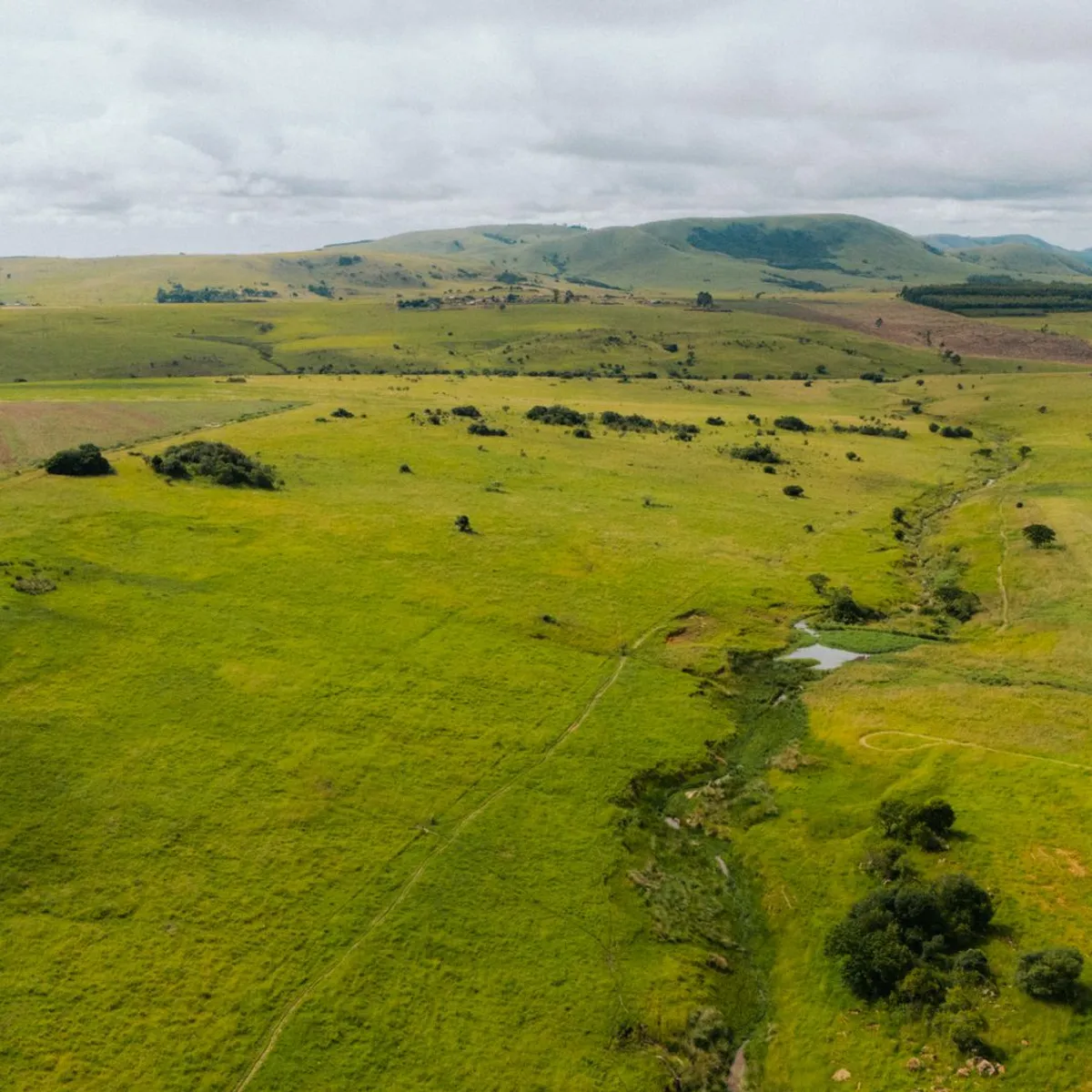
 Photo: Lukas Faust / Pexels
Alberton
Alberton accessibility for wheelchair users
Compare Alberton by accessibility, transport, terrain, healthcare, cost, weather, laws, reviews, and community notes.
Alberton accessibility scores
Compare Alberton by accessibility, transport, terrain, healthcare, cost, weather, and laws. General stats use public data and models. Community rows reflect member reviews and votes.
General stats
National benchmarks and estimates — your experience in this city may differ.
Community
Starts from our estimate — thumbs up nudge toward Excellent, down toward Poor. Reviews use 1–5 stars.
These figures combine public statistics, models, and live weather where available. Every city is different — treat this as a guide, and share what you know in the Reviews & Corrections tab.
Profile last updated 7/2/2026.
Alberton wheelchair accessibility guide
Research Alberton for wheelchair users and caregivers: getting around, terrain, healthcare, costs, climate, accessible things to do, and practical caveats before booking.
Last updated 7/2/2026At a glance
Alberton is a suburban city on the south-eastern side of the Johannesburg metro, with freeway access, private healthcare, sports clubs, malls, and nearby nature rather than a dense tourist core. For wheelchair users, it is a car-first base: easier if you have a private vehicle, a driver, or reliable accessible transfers, harder if you expect independent public-transport mobility. The DB pavement profile is one of the stronger parts of the city profile, with high-confidence sampling, about 80% good tagged surface, and asphalt dominant. Terrain is the trade-off: the area is marked hilly, with a 268 m sampled elevation range. Budget from ~$2,067/mo, with housing estimated from ~$809/mo.
Getting around
Wikipedia identifies Alberton’s access to the R59, N12, N17, and N3 freeways, which makes driving to Johannesburg, Ekurhuleni, and regional services practical. That does not translate into easy car-free mobility. Plan around private transport, metered rides, or a known driver, and ask venues about drop-off points close to level entrances. If using wheelchair-accessible vehicles, book early and reconfirm because availability can be thinner outside central Johannesburg.
Terrain & mobility
The city has good road-surface indicators by RollVenture standards, but the DB terrain profile labels it hilly. Short routes around malls, hospitals, and suburban centres may be manageable, while residential streets can involve slopes, driveway lips, and uneven pedestrian continuity. Wheelchair users should prioritize properties with on-site parking, step-free entrances, and a backup power plan for lifts or gates.
Healthcare & care
Wikipedia notes government clinics and the privately run Netcare Alberton Hospital; the DB/OSM healthcare leads also include Netcare Alberton Hospital and Bertha Gxowa Hospital farther away. Treat both as care anchors but verify emergency access, accessible parking, consulting-room lift access, and specialist availability before relying on them. For longer stays, Johannesburg’s larger medical ecosystem is close enough to matter, but transfer times can vary with traffic.
Costs & housing
The DB estimate is relatively favorable for South Africa: from ~$2,067/mo overall and housing from ~$809/mo. The best wheelchair housing bets are modern apartments, serviced stays, or suburban homes that can provide photos of ramps, bathrooms, gate tracks, and parking-to-door routes. Ask specifically about load-shedding backup if you rely on powered doors, lifts, refrigeration for medication, or charging.
Climate & comfort
Alberton has a highveld climate: generally sunny, with summer storms and cooler dry winters. Heat is usually less severe than lowland tropical cities, but storms can make curb cuts and drainage channels awkward. Safety planning matters: RollVenture’s DB safety score is modest, so favor secure parking, daylight errands, and known routes.
Accessible things to do
Klipriviersberg Nature Reserve— Wikipedia places this reserve near Alberton and lists wildlife including zebra, blesbok, duiker, and many bird species. It is a good low-cost nature lead, but check trail surfaces, gate access, toilets, and whether a vehicle-based visit is more realistic than rolling paths.
Reading Country Club and Golf Course— Wikipedia lists Reading Country Club as a local sports facility. Clubhouses often have more predictable parking and toilets than informal parks, but access should still be confirmed.
Alberton Boulevard / town centre— The town image and city article identify Alberton Boulevard as a central urban reference point. Use it as a short, practical orientation route rather than a guaranteed attraction; curb cuts and sidewalk continuity should be checked locally.
Newmarket / former racecourse shopping area— Wikipedia notes the former New Market Race Course is now a shopping mall. Modern malls can be among the easier accessible outings in suburban South Africa, but confirm lifts, accessible toilets, and parking.
Community & language
English is widely useful, with Afrikaans and other South African languages also common. Service culture is generally direct and practical. Be explicit about transfer needs, ramp gradients, and whether “accessible” means step-free from car to bathroom, not just a ground-floor room.
Would we recommend it?
Yes as a practical Johannesburg-area suburban base if you have reliable transport and verified lodging. It is less compelling for car-free travel, but healthcare, roads, and mall-style amenities make it more workable than many similarly scored cities.
These figures combine public statistics, models, and live weather where available. Every city is different — treat this as a guide, and share what you know in the Reviews & Corrections tab.
Profile last updated 7/2/2026.