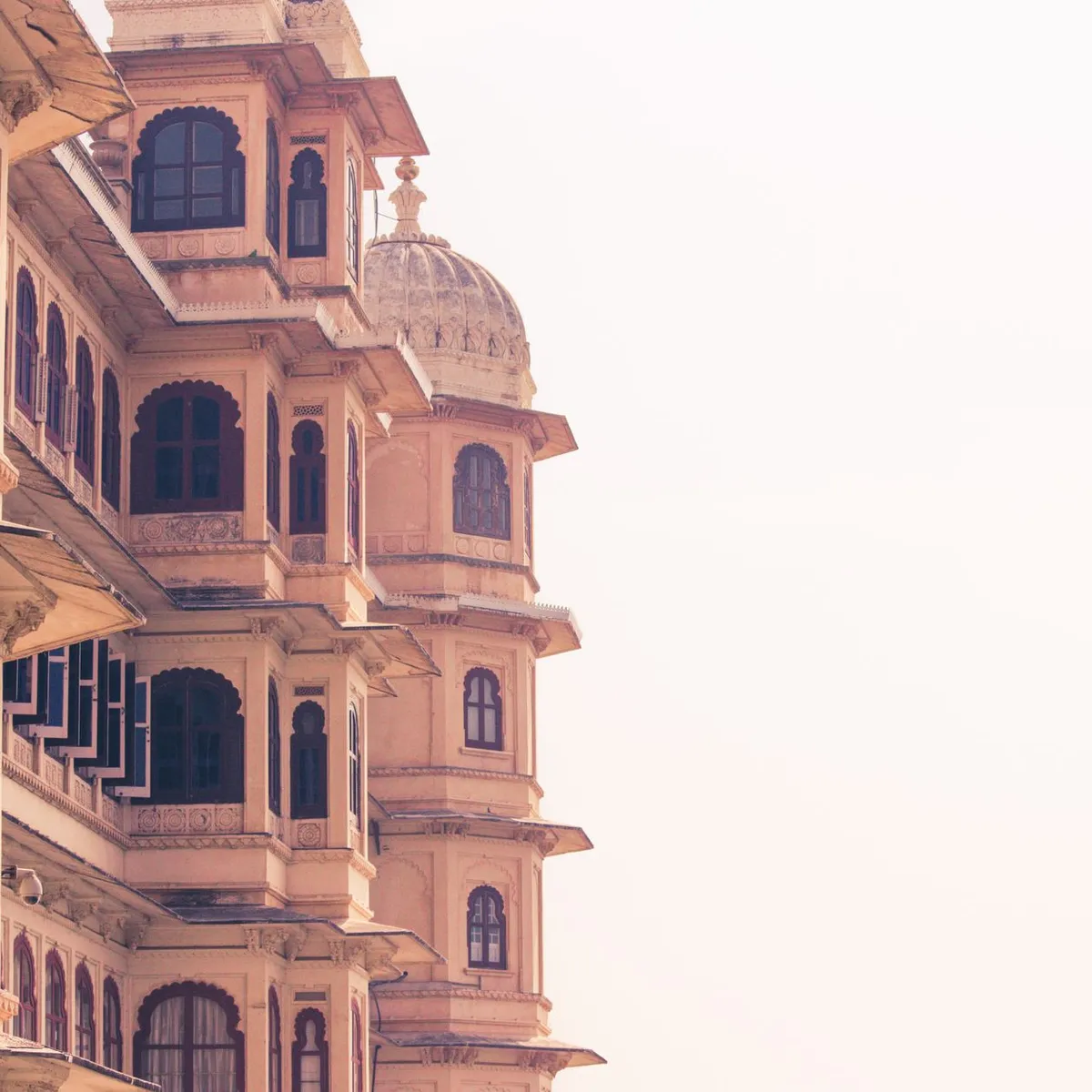
 Photo: Suket Dedhia / Pexels
Amrāvati
Amrāvati accessibility for wheelchair users
Compare Amrāvati by accessibility, transport, terrain, healthcare, cost, weather, laws, reviews, and community notes.
Amrāvati accessibility scores
Compare Amrāvati by accessibility, transport, terrain, healthcare, cost, weather, and laws. General stats use public data and models. Community rows reflect member reviews and votes.
General stats
National benchmarks and estimates — your experience in this city may differ.
Community
Starts from our estimate — thumbs up nudge toward Excellent, down toward Poor. Reviews use 1–5 stars.
These figures combine public statistics, models, and live weather where available. Every city is different — treat this as a guide, and share what you know in the Reviews & Corrections tab.
Profile last updated 7/1/2026.
Amrāvati wheelchair accessibility guide
Research Amrāvati for wheelchair users and caregivers: getting around, terrain, healthcare, costs, climate, accessible things to do, and practical caveats before booking.
Last updated 7/1/2026At a glance
Amrāvati in Maharashtra is a lower-cost regional city, not a mainstream accessible-tourism hub. RollVenture’s live row estimates monthly living from ~$1,370/mo and housing from ~$528/mo, which is attractive, but the accessibility score is low and the pavement data has very low confidence. It may work as a practical base for someone with family, work, or medical reasons to be in the region; it is not a frictionless leisure destination for a wheelchair user traveling independently.
Getting around
Expect to use private cars, app taxis where available, and local drivers rather than accessible buses. Auto-rickshaws usually require transfers and are difficult with many wheelchairs. Amravati has rail and road links, but station and platform access should be checked for the exact journey; ask about ramps, lift status, porter help, and boarding assistance before travel day. For daily movement, staying near the hospital, office, or family destination will matter more than being near every attraction.
Terrain & mobility
The terrain profile is hilly but not mountainous, with a sampled maximum grade around 1.7% and a wider elevation range across the city. The bigger concern is surfaces. The OSM pavement sample is almost entirely untagged, so treat mapped surface quality as uncertain. In practice, assume broken footpaths, vehicle encroachment, missing kerb cuts, and uneven market streets. A companion is strongly recommended for old temple areas and crowded commercial lanes.
Healthcare & care
The row lists several OSM healthcare leads close to the centre, including Dr. Belsare Hospital, Mahaveer Hospital and Medical Research Centre, Parashree Speciality Hospital, Deshmukh Eye Hospital Retina Care Centre, and Kale Nursing Home. These are useful names to start phone checks, not verified accessible facilities. Ask about ramps, lift access to consultation rooms, accessible toilets, and whether staff can help with wheelchair transfers. Bring enough medication and pressure-care supplies for delays.
Costs & housing
Amravati’s cost profile is favorable: food from about ~$256/mo, transport from ~$133/mo, and medical from ~$102/mo in the DB row. Accessible housing is the weak point. Newer apartment blocks or business hotels may have lifts, but bathrooms often have thresholds, narrow doors, or no roll-in shower. Ask for a video walkthrough from street or parking to bed and bathroom. If hiring a caregiver, budget time for vetting and backup coverage.
Climate & comfort
The Vidarbha region can be extremely hot before the monsoon. Heat, dust, and dehydration can turn short errands into health risks. Plan outings early, choose air-conditioned vehicles, and avoid long outdoor waits. Monsoon rain can make unpaved shoulders and market approaches difficult.
Accessible things to do
Ambadevi Temple area— A major city landmark listed by tourism sources, but temple access may involve steps, crowds, and thresholds. Treat it as a partial-access cultural visit and verify current arrangements.
Wadali Talao / lake area— A local open-air outing where vehicle access and flat sections may be possible, though path quality and toilets should be checked before relying on it.
Chikhaldara day trip— Maharashtra tourism promotes the hill-station region in Amravati district. It is scenic but much hillier than the city, so wheelchair users need a vehicle-based itinerary and realistic expectations.
Melghat Tiger Reserve gateway planning— The wider district is known for Melghat. This is not inherently wheelchair-friendly, but a carefully arranged drive-focused visit may suit some travelers.
Community & language
Marathi is the main local language; Hindi is widely useful, and English is more common in hospitals and hotels than in small shops. Use photos, measurements, and written confirmations for access needs.
Would we recommend it?
Only for specific reasons: family, work, medical plans, or a low-cost regional base with support. For tourism alone, Amravati has too much access uncertainty. With a driver, verified lodging, and heat planning, it can be workable but not easy.
These figures combine public statistics, models, and live weather where available. Every city is different — treat this as a guide, and share what you know in the Reviews & Corrections tab.
Profile last updated 7/1/2026.