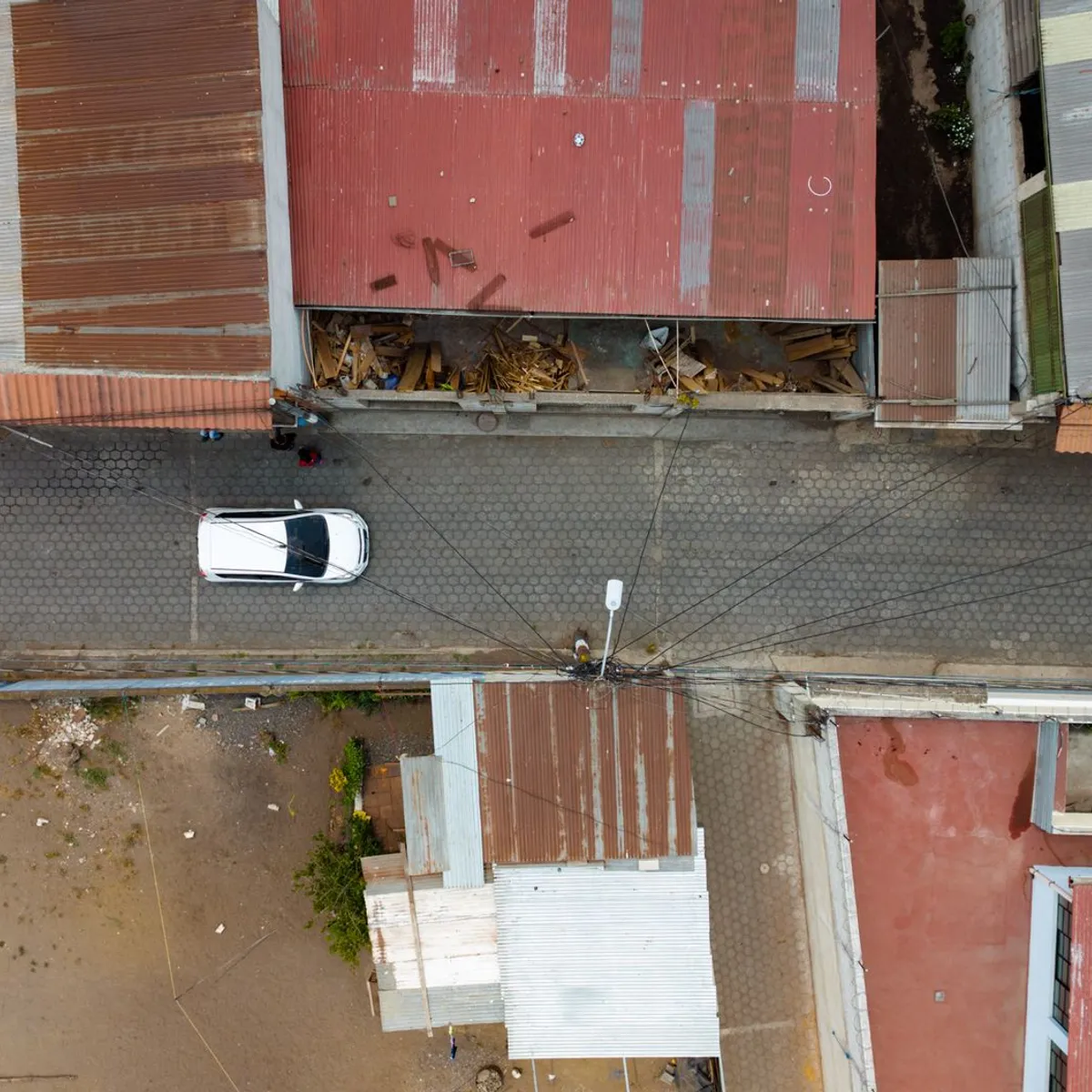
 Photo: K / Pexels
Antananarivo
Antananarivo accessibility for wheelchair users
Compare Antananarivo by accessibility, transport, terrain, healthcare, cost, weather, laws, reviews, and community notes.
Antananarivo accessibility scores
Compare Antananarivo by accessibility, transport, terrain, healthcare, cost, weather, and laws. General stats use public data and models. Community rows reflect member reviews and votes.
General stats
National benchmarks and estimates — your experience in this city may differ.
Community
Starts from our estimate — thumbs up nudge toward Excellent, down toward Poor. Reviews use 1–5 stars.
These figures combine public statistics, models, and live weather where available. Every city is different — treat this as a guide, and share what you know in the Reviews & Corrections tab.
Profile last updated 7/1/2026.
Antananarivo wheelchair accessibility guide
Research Antananarivo for wheelchair users and caregivers: getting around, terrain, healthcare, costs, climate, accessible things to do, and practical caveats before booking.
Last updated 7/1/2026At a glance
Antananarivo is culturally rich but physically demanding. The city sits in Madagascar’s central highlands, and the database profile labels the terrain hilly, with an average elevation around 1,290 m. Monthly living cost is estimated from ~$2,167/mo. For wheelchair users, the main risks are steep streets, broken or missing sidewalks, older hilltop attractions, and limited formal accessibility information. A stay can work best with a private vehicle, a patient local driver, and carefully chosen accommodation in a flatter, central area.
Getting around
Do not plan on independent public transport. Use a hired car or taxi arranged by your hotel, and keep trips short because traffic and hills can turn small distances into tiring transfers. Ask drivers to wait during museum or market stops. If you use a folding manual chair, confirm trunk space; if you use a powerchair, confirm ramp or lifting help before arrival.
Terrain & mobility
The terrain is the core challenge. The Rova and old upper-city areas are historically important but sit high and can involve slopes, steps, and uneven stone or older paving. Lower commercial districts may be easier, but sidewalks can still be interrupted. Wheelchair users should prioritize curb-to-door access, avoid rainy-day slopes, and carry a portable ramp only as a backup, not as a full solution.
Healthcare & care
The local healthcare profile lists OSM leads such as Dr. Agarwal's Eye Hospital, CRTM-OI, Clinique Appolon, Centre de Santé Manampisoa, and Hoptital d'Ambohimiandra. These are leads only; verify emergency access, elevator routes, and payment requirements before depending on them. If you need regular therapy, pressure-care help, or equipment repair, arrange contacts before travel rather than trying to source them after arrival.
Costs & housing
Estimated monthly living cost is from ~$2,167/mo, with housing around ~$1,122/mo. Spend more attention on building layout than neighborhood prestige: step-free entrance, elevator reliability, bathroom access, nearby vehicle drop-off, and backup power matter. Ask for video walkthroughs of the street entrance and bathroom.
Climate & comfort
The highland climate is milder than coastal Madagascar, but rain can make steep streets slippery and hard to push. Choose dry-season travel if mobility is limited. Cool evenings are useful for comfort, but poor drainage or broken pavement after storms can quickly reduce access.
Accessible things to do
Rova of Antananarivo— the restored royal palace complex is central to the city’s history, but it occupies the high point of Analamanga. Treat access as assisted and confirm current routes before visiting.
Analakely and Avenue de l’Indépendance area— a better low-intensity orientation area than steep upper-city lanes, though curb cuts and crowds still need help.
Tsimbazaza / city museum-zoo area— often used as a cultural stop; verify paths, toilets, and drop-off in advance.
Lake Anosy viewpoint— consider a vehicle-based scenic stop rather than a long roll, especially when traffic is heavy.
Community & language
Malagasy and French are most useful; English is less reliable outside hotels and tour operators. A bilingual driver or fixer is strongly recommended.
Would we recommend it?
Cautiously, for travelers who value culture and can afford private support. The city is rewarding, but the hills and thin access documentation make it unsuitable for low-support wheelchair travel.
These figures combine public statistics, models, and live weather where available. Every city is different — treat this as a guide, and share what you know in the Reviews & Corrections tab.
Profile last updated 7/1/2026.