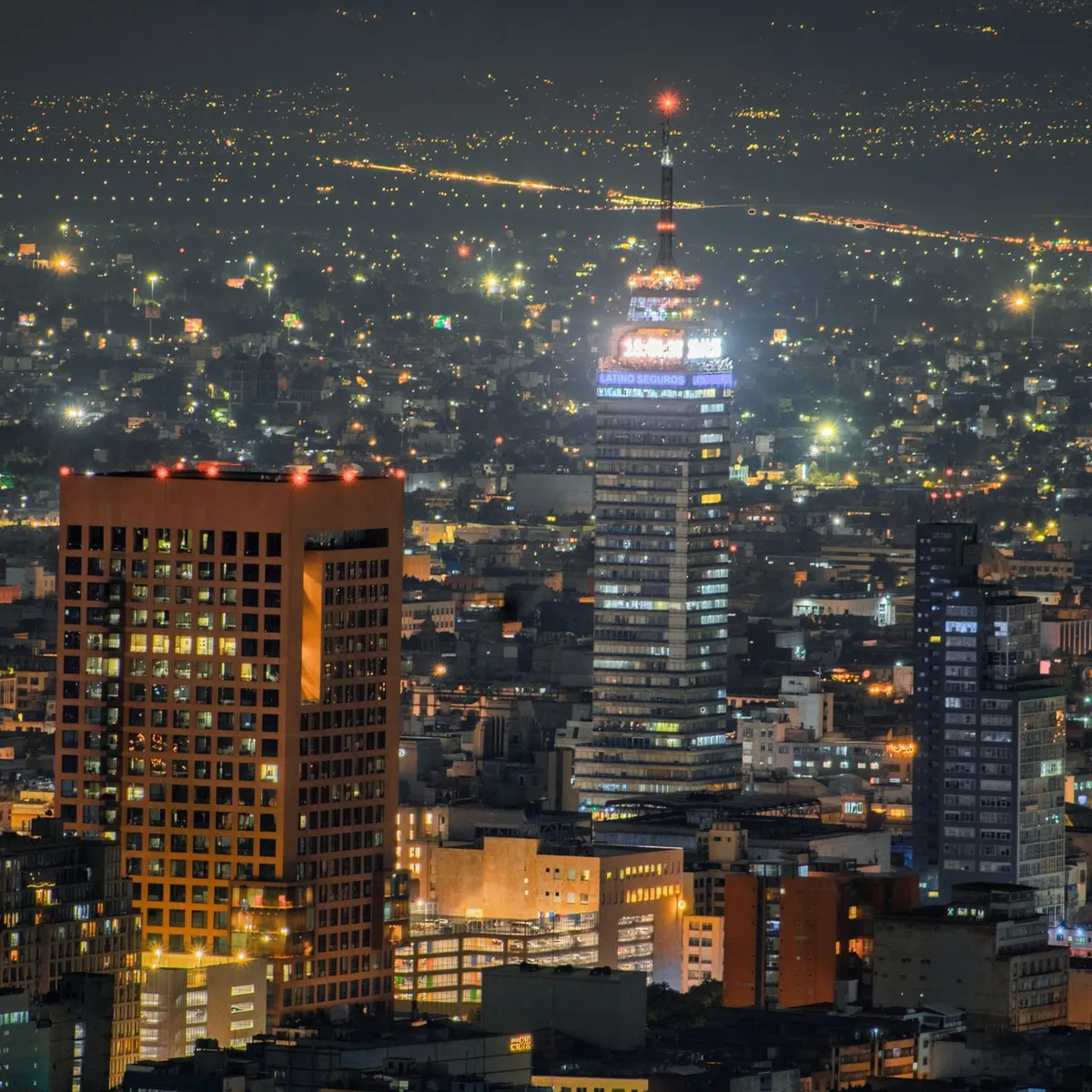
 Photo: Fernando Paleta / Pexels
Azcapotzalco
Azcapotzalco accessibility for wheelchair users
Compare Azcapotzalco by accessibility, transport, terrain, healthcare, cost, weather, laws, reviews, and community notes.
Azcapotzalco accessibility scores
Compare Azcapotzalco by accessibility, transport, terrain, healthcare, cost, weather, and laws. General stats use public data and models. Community rows reflect member reviews and votes.
General stats
National benchmarks and estimates — your experience in this city may differ.
Community
Starts from our estimate — thumbs up nudge toward Excellent, down toward Poor. Reviews use 1–5 stars.
These figures combine public statistics, models, and live weather where available. Every city is different — treat this as a guide, and share what you know in the Reviews & Corrections tab.
Profile last updated 7/1/2026.
Azcapotzalco wheelchair accessibility guide
Research Azcapotzalco for wheelchair users and caregivers: getting around, terrain, healthcare, costs, climate, accessible things to do, and practical caveats before booking.
Last updated 7/1/2026At a glance
Azcapotzalco is a practical but uneven base for a wheelchair user or disabled traveler who already has local support lined up. RollVenture's live row puts the monthly cost from ~$2107/mo and housing from ~$844/mo, so it can be cheaper than major global hubs, but the savings should be weighed against variable curb cuts, limited step-free public information, and the need to verify accommodation entrances before paying. Treat this as a city where a powered chair, a known driver, and extra appointment time matter more than a perfect tourist checklist.
Getting around
Use the wider Mexico City network carefully: Metro or Metrobús routes and ride-hailing may help, but elevator status and last-mile sidewalks must be checked. For daily life, plan around short car or app-taxi hops rather than assuming buses, minibuses, or informal local transport will work with a wheelchair. Ask drivers about boot space, portable ramps, and whether they can wait during hospital or pharmacy visits. If you rely on a manual chair, build in transfer help and avoid peak traffic windows when curbside stopping is harder.
Terrain & mobility
The city profile is part of Mexico City on a high plateau with hilly sections, but comparatively strong sampled pavement data in the RollVenture row. That means routes can look easy on a map but still fail because of broken paving, parked vehicles, drainage channels, steep driveway aprons, or missing tactile/curb-cut continuity. Choose lodging near the exact clinic, market, or attraction you will use most, then check doorway, bathroom turn radius, lift reliability, and backup power directly with photos or video.
Healthcare & care
OpenStreetMap healthcare leads near the city include Instituto Nacional de Higiene, Centro de Salud Dr. D. Orvañanos, Unidad de Medicina Familiar 23 Unidad Morelos. These are useful starting points, not guarantees of wheelchair access, English-speaking staff, or specialist availability. For anything beyond routine care, confirm current departments, elevator access, emergency intake, and whether a companion can stay with you. Carry paper copies of prescriptions and leave extra travel time for referrals or imaging.
Costs & housing
Costs are attractive compared with larger international capitals, but the accessible-housing search may be the hard part. Budget above the base rent for a newer building, a ground-floor unit, a driver, and small fixes such as a shower chair or temporary threshold ramp. Do not accept “accessible” at face value; ask for entrance photos, bathroom measurements, elevator dimensions, and whether outages affect lifts or water pressure.
Climate & comfort
Altitude can be tiring, and rainy-season downpours make curb cuts, drainage grates, and broken pavement more important than distance. Heat, rain, dust, or winter wind can turn a marginal route into a bad one, so schedule outdoor errands early, carry water and medication backups, and keep a covered transfer plan. If skin integrity, fatigue, or respiratory issues are concerns, prioritize air-conditioning, shade, reliable laundry, and short clinic routes over scenic location.
Accessible things to do
Parque Bicentenario— Large modern park and one of the better candidates for a step-free outdoor roll; verify entrances, toilets, and event closures.
Parque Tezozómoc— Local green-space option for an easier day if paths are dry; check surface condition and accessible restrooms.
Centro de Azcapotzalco— Good for a short neighborhood outing around the plaza and church, but expect older paving, crowds, and curb interruptions.
Arena Ciudad de México— Major event venue; buy tickets only after confirming wheelchair seating, companion policy, drop-off, elevators, and transport after events.
Mexico City museum/park trips by car— Nearby boroughs add many options; choose venues with published accessibility details and avoid too many transfers in one day.
Community & language
A companion, fixer, hotel desk, clinic coordinator, or local disability contact will make the city much easier. English may work in hotels, hospitals, or tourist-facing venues, but daily errands can require the main local language. Save destination names in the local script where relevant and use pinned map locations rather than verbal directions alone.
Would we recommend it?
Yes, cautiously, if the goal is a Mexico City base with lower costs and access to big-city services. Pick a modern building on the exact daily route.
These figures combine public statistics, models, and live weather where available. Every city is different — treat this as a guide, and share what you know in the Reviews & Corrections tab.
Profile last updated 7/1/2026.