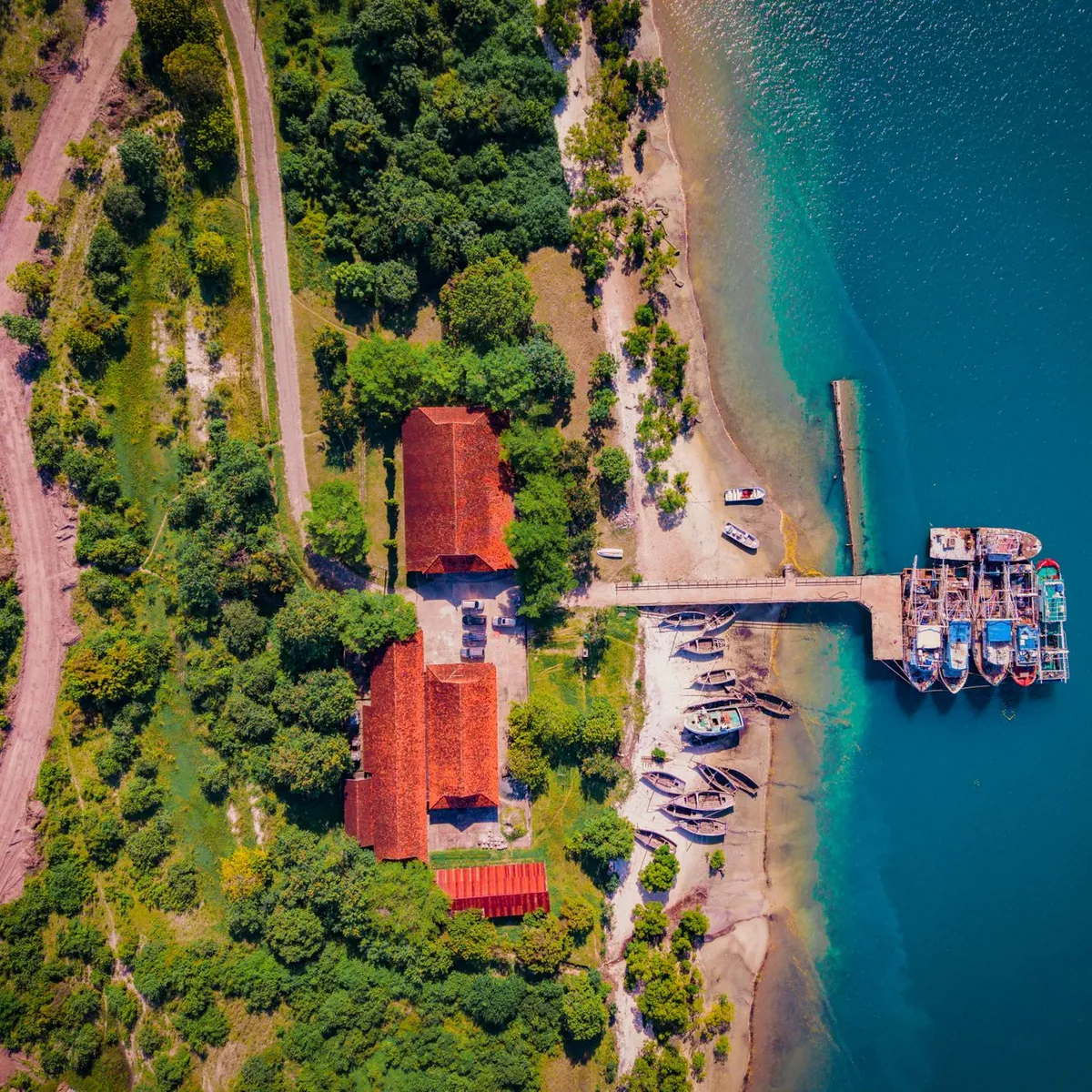
 Photo: I am DullyGrapher / Pexels
Bagamoyo
Bagamoyo accessibility for wheelchair users
Compare Bagamoyo by accessibility, transport, terrain, healthcare, cost, weather, laws, reviews, and community notes.
Bagamoyo accessibility scores
Compare Bagamoyo by accessibility, transport, terrain, healthcare, cost, weather, and laws. General stats use public data and models. Community rows reflect member reviews and votes.
General stats
National benchmarks and estimates — your experience in this city may differ.
Community
Starts from our estimate — thumbs up nudge toward Excellent, down toward Poor. Reviews use 1–5 stars.
These figures combine public statistics, models, and live weather where available. Every city is different — treat this as a guide, and share what you know in the Reviews & Corrections tab.
Profile last updated 6/30/2026.
Bagamoyo wheelchair accessibility guide
Research Bagamoyo for wheelchair users and caregivers: getting around, terrain, healthcare, costs, climate, accessible things to do, and practical caveats before booking.
Last updated 6/30/2026At a glance
Bagamoyo is a coastal Tanzanian town with colonial-era architecture, Swahili and German East Africa history, a working port/fish-market area, art activity, and nearby Kaole ruins. For wheelchair users, it has one major advantage over many cities in this batch: the RollVenture terrain profile is mostly flat, with average elevation around 10 m and sampled grades under 1%. The problem is surfaces and services. Pavement data is high-confidence but dominated by unpaved, untagged, paved, and paving-stone ways, and formal wheelchair transport is not evident. Costs are estimated from about ~$2,143/mo, with housing from ~$1,111/mo.
Getting around
Wikivoyage places Bagamoyo about 70 km from Dar es Salaam on the northern trunk road and describes local movement by walking, pikipiki, bajaji, taxis, bike rentals, and local operators. For wheelchair users, bajaji/tuk-tuk style vehicles may work only with folding chairs and transfers; private taxis or hotel-arranged drivers are safer. Because many sites are spread along the coast or just outside town, plan a driver for half-day blocks rather than relying on improvised transport.
Terrain & mobility
Flat terrain is a real plus, but flat does not mean smooth. Expect sandy shoulders, broken edges, unpaved lanes, paving stones, and market congestion. The coast and historic buildings may include steps, loose sand, and narrow thresholds. A manual chair with larger front casters or a freewheel-style attachment would help; power chairs need protection from sand, salt air, and rain.
Healthcare & care
The stored healthcare lead is Bagamoyo District Hospital, about 0.6 km from the center by OSM. Treat that as a basic care lead only; for specialist or disability-related care, Dar es Salaam is likely the safer planning hub. Bring medications, wound-care supplies, and chair repair basics. If hiring personal assistance, arrange through a hotel, NGO contact, or trusted local fixer and trial the support before depending on it.
Costs & housing
The DB estimates housing from ~$1,111/mo, transport around ~$156/mo, and medical around ~$131/mo. Accessible housing checks should focus on step-free entry, floor surfaces that are not deep sand, bathroom width, mosquito control, backup power, and whether a vehicle can stop at the entrance during rain.
Climate & comfort
Bagamoyo is coastal: heat, humidity, sun exposure, and heavy rains can be draining. Plan early starts, shaded rests, hydration, and indoor recovery time. Salt air can be hard on mobility equipment, so wipe down metal parts and electrical contacts after beach visits.
Accessible things to do
Old town architecture walk/roll— Wikivoyage highlights carved Arabic-influenced portals and aging German buildings; do a short daylight route with a guide who can avoid sandy or broken lanes.
Port area and fish market— A vivid working-waterfront stop listed by Wikivoyage; go early, expect crowds and wet ground, and keep it brief.
Slavery & Missionary Museum— Wikivoyage lists this museum north of town; call ahead about entrance steps, toilets, and vehicle drop-off.
College of Arts— Wikivoyage notes exhibitions, music, and performances on campus; verify event location and step-free access before committing.
Kaole village/ruins— A nearby historical excursion; use a driver and confirm surface conditions, because unsealed coastal roads can be difficult after rain.
Community & language
Swahili is essential for daily logistics; English may work with guides and hotels. A local guide is worthwhile because many attractions are informal, historically sensitive, or spread across rough surfaces.
Would we recommend it?
Yes, with caveats. Bagamoyo’s flatness gives it more potential than many hilly regional cities, but rough surfaces, heat, and limited formal access mean travelers should use private transport and verify every site before arrival.
These figures combine public statistics, models, and live weather where available. Every city is different — treat this as a guide, and share what you know in the Reviews & Corrections tab.
Profile last updated 6/30/2026.