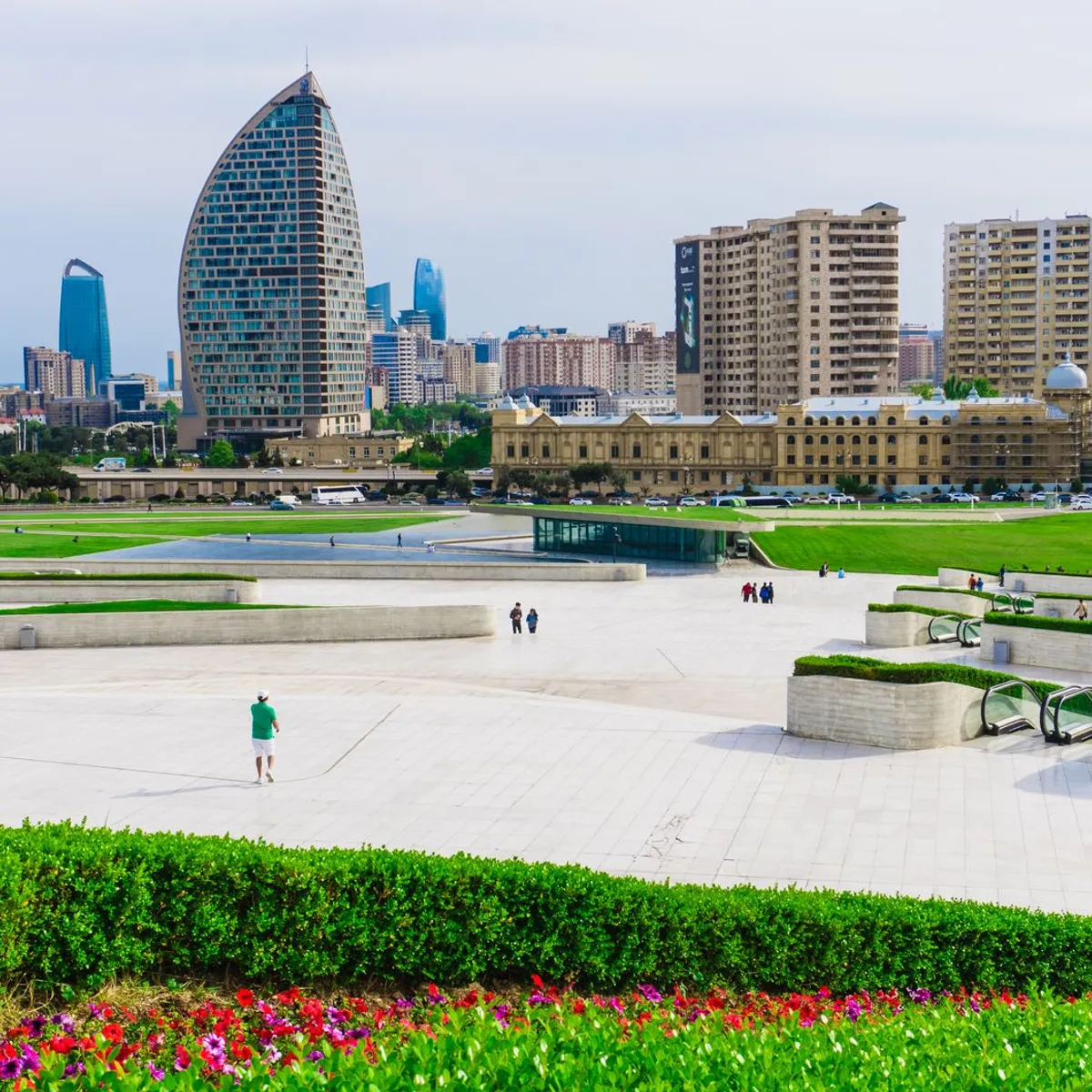
 Photo: Zulfugar Karimov / Pexels
Baku
Baku accessibility for wheelchair users
Compare Baku by accessibility, transport, terrain, healthcare, cost, weather, laws, reviews, and community notes.
Baku accessibility scores
Compare Baku by accessibility, transport, terrain, healthcare, cost, weather, and laws. General stats use public data and models. Community rows reflect member reviews and votes.
General stats
National benchmarks and estimates — your experience in this city may differ.
Community
Starts from our estimate — thumbs up nudge toward Excellent, down toward Poor. Reviews use 1–5 stars.
These figures combine public statistics, models, and live weather where available. Every city is different — treat this as a guide, and share what you know in the Reviews & Corrections tab.
Profile last updated 6/30/2026.
Baku wheelchair accessibility guide
Research Baku for wheelchair users and caregivers: getting around, terrain, healthcare, costs, climate, accessible things to do, and practical caveats before booking.
Last updated 6/30/2026At a glance
Baku is the strongest candidate in this batch: a large capital with recognizable visitor infrastructure, a Caspian waterfront, metro, taxis, major hospitals, and several well-known museums and cultural sites. It is still not uniformly barrier-free. The RollVenture row shows gently rolling terrain, medium-confidence pavement data, and a mix of asphalt, paving stones, and sett surfaces. That means many central routes can work with planning, while the Old City, cobbles, underpasses, wind, and station access can still be tiring.
Getting around
Use a layered plan: hotel-arranged taxis for step-free reliability, short waterfront rolls when weather cooperates, and the metro only after confirming station-by-station access. Baku has a metro network, but older systems often mix escalators, stairs, and lifts inconsistently. Ask hotels to call venues and drivers; do not rely only on app notes. The airport-city transfer should be arranged in advance if you travel with a large powerchair.
Terrain & mobility
The Caspian Boulevard and newer central districts are the easiest areas to test first. The Old City is atmospheric but includes stone surfaces, slopes, narrow lanes, and thresholds. The DB terrain profile is only gently rolling, but pavement data includes paving stones and sett, so vibration and caster-trap risk matter. Strong winds are common enough that secure loose cushions, hats, and respiratory gear.
Healthcare & care
OpenStreetMap healthcare leads include Medical Plaza, MediClub, clinics, and polyclinics, but they are not access audits. Baku is more likely than smaller regional cities to have private clinics with English-speaking staff, yet wheelchair toilets, imaging-table transfers, and after-hours support still need direct confirmation.
Costs & housing
The DB row estimates monthly living cost from ~$3,269/mo. Baku has a wide hotel range; prioritize newer international or business hotels for elevators, backup power, and bathroom photos. Ask specifically about shower thresholds, bed height, lift width, and whether the “accessible room” is actually bookable.
Climate & comfort
Winters are cool and windy, summers warm, and shoulder seasons are the easiest. The city’s nickname, “City of Winds,” is practical advice: keep routes flexible and choose sheltered taxi drop-offs on gusty days.
Accessible things to do
Baku Boulevard— a long Caspian seafront promenade documented by travel sources; likely the best first roll, but confirm smooth sections and accessible toilets locally.
Heydar Aliyev Center— a major modern landmark; contact the venue for current ramp/lift and wheelchair-ticket procedures before visiting.
Azerbaijan Carpet Museum— a central museum option near the waterfront; verify entrance, lift, and restroom access directly.
Old City / Maiden Tower area— worthwhile visually, but treat as a guided partial visit because cobbles, slopes, and thresholds may block full access.
Gobustan or Ateshgah/Yanardag day trips— possible by private vehicle; verify site surfaces and restroom access, because outdoor archaeological/fire-temple areas can be uneven.
Community & language
Azerbaijani is the main language, Russian is often useful, and English is more common in hotels/tourism than in local services. Disability protections exist but practical accessibility varies by district and building age.
Would we recommend it?
Yes, cautiously. Baku is worth considering for wheelchair travelers who can budget for taxis, a newer hotel, and direct venue checks. It is not effortless, but it has enough infrastructure and attractions to build a rewarding, conservative itinerary.
These figures combine public statistics, models, and live weather where available. Every city is different — treat this as a guide, and share what you know in the Reviews & Corrections tab.
Profile last updated 6/30/2026.