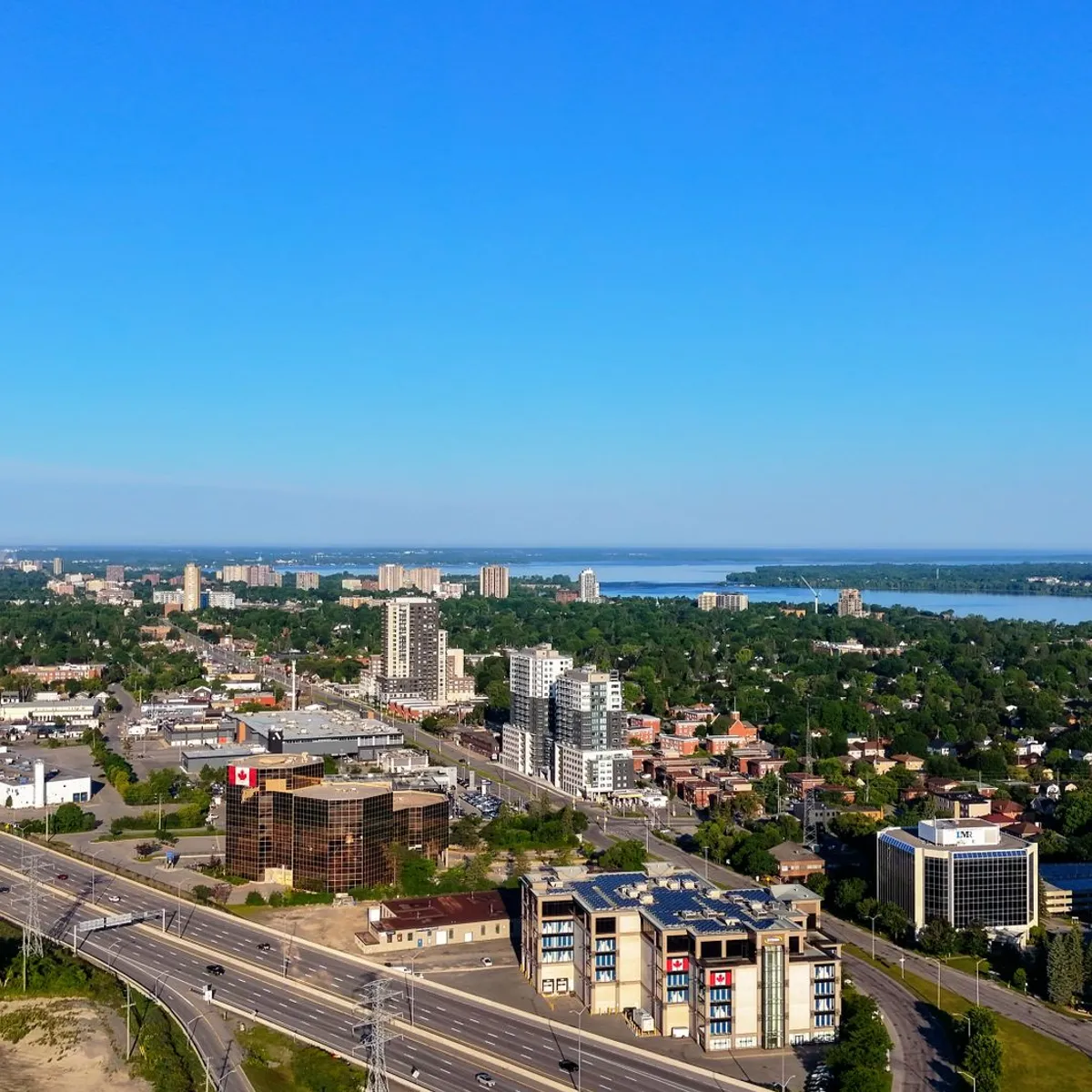
 Photo: John Bravar / Pexels
Barrie
Barrie accessibility for wheelchair users
Compare Barrie by accessibility, transport, terrain, healthcare, cost, weather, laws, reviews, and community notes.
Barrie accessibility scores
Compare Barrie by accessibility, transport, terrain, healthcare, cost, weather, and laws. General stats use public data and models. Community rows reflect member reviews and votes.
General stats
National benchmarks and estimates — your experience in this city may differ.
Community
Starts from our estimate — thumbs up nudge toward Excellent, down toward Poor. Reviews use 1–5 stars.
These figures combine public statistics, models, and live weather where available. Every city is different — treat this as a guide, and share what you know in the Reviews & Corrections tab.
Profile last updated 6/30/2026.
Barrie wheelchair accessibility guide
Research Barrie for wheelchair users and caregivers: getting around, terrain, healthcare, costs, climate, accessible things to do, and practical caveats before booking.
Last updated 6/30/2026At a glance
Barrie is a Lake Simcoe city with a practical downtown-waterfront core, strong road access to the Greater Toronto Area, and enough paved public space to make a short stay workable for many wheelchair users. RollVenture data scores it well for transport and pavement: about 93% good tagged surfaces in the local OSM sample, gently rolling terrain, and monthly living cost from ~$3,577/mo. The main caution is winter. Snowbanks, freeze-thaw curb cuts, and lakeshore wind can turn otherwise easy routes into assistance-required routes.
Getting around
Barrie Transit is the first planning layer, with conventional routes plus specialized accessible transit to confirm directly before relying on it for appointments. For intercity trips, GO Transit links Barrie with the Toronto region, but station elevator status, boarding assistance, and the last kilometre should be checked before travel. Downtown, the waterfront, MacLaren Art Centre, and City Hall area are close enough to combine by taxi or paratransit rather than long rolling days.
Terrain & mobility
The city is gently rolling rather than flat, with RollVenture terrain sampling showing 100% flat samples near the centre and a modest 2.5% maximum grade in the sampled area. Sidewalk quality is generally a strength, but lakeside paths, parking lots, older commercial strips, and winter plowing vary by block. A powerchair user should still pre-map curb cuts around Bayfield Street and the waterfront approaches.
Healthcare & care
Local OSM healthcare leads include CPAP Clinic, Simcoe Muskoka District Health, Lakeview Surgery Centre, Atrium Cardiology, and City Centre Walk-In Medical Clinic within roughly 1.4-2.6 km of the centre. Treat these as leads, not access guarantees: call to confirm step-free entrances, exam-table access, washrooms, and transfer help. Budget signals are moderate for Canada: medical from ~$155/mo and home aid from ~$765/mo.
Costs & housing
Use from ~$3,577/mo as a planning baseline, with housing from ~$1,715/mo. Accessible rentals may be the bottleneck: ask for entrance width, elevator reliability, bathroom turning space, snow removal responsibility, and whether accessible parking is assigned. Short furnished units near the waterfront can reduce transport dependence, but availability and cost can swing seasonally.
Climate & comfort
Barrie has cold, snowy winters and pleasant but busy summers. Winter routing is the biggest accessibility risk: plan buffer time after storms, confirm sidewalks are cleared, and keep a backup taxi/paratransit plan for medical visits. In summer, waterfront glare and crowding matter more than heat.
Accessible things to do
Barrie Waterfront and Heritage Park— The waterfront is the most useful low-effort outing: paved paths, lake views, washroom planning, and benches make it a better first-day mobility test than the hillier residential streets.
MacLaren Art Centre— A central cultural stop with visitor information available online; confirm current lift, entrance, washroom, and exhibition-floor access before visiting.
Barrie Farmers' Market / City Hall area— A compact downtown activity with paved approaches, best in good weather and with crowd timing checked in advance.
Sunnidale Park— A green-space option for users who can handle variable path surfaces; verify path conditions after rain or snow.
Community & language
English is the operating language. Barrie is large enough for mainstream healthcare, disability services, taxis, and regional transit, but specialized equipment repair may still require Toronto-area backup.
Would we recommend it?
Yes, cautiously, for people who want a midsize Ontario base with good pavement data and waterfront amenities. It is less ideal if winter independence, guaranteed step-free transit, or abundant accessible rental stock are non-negotiable.
These figures combine public statistics, models, and live weather where available. Every city is different — treat this as a guide, and share what you know in the Reviews & Corrections tab.
Profile last updated 6/30/2026.