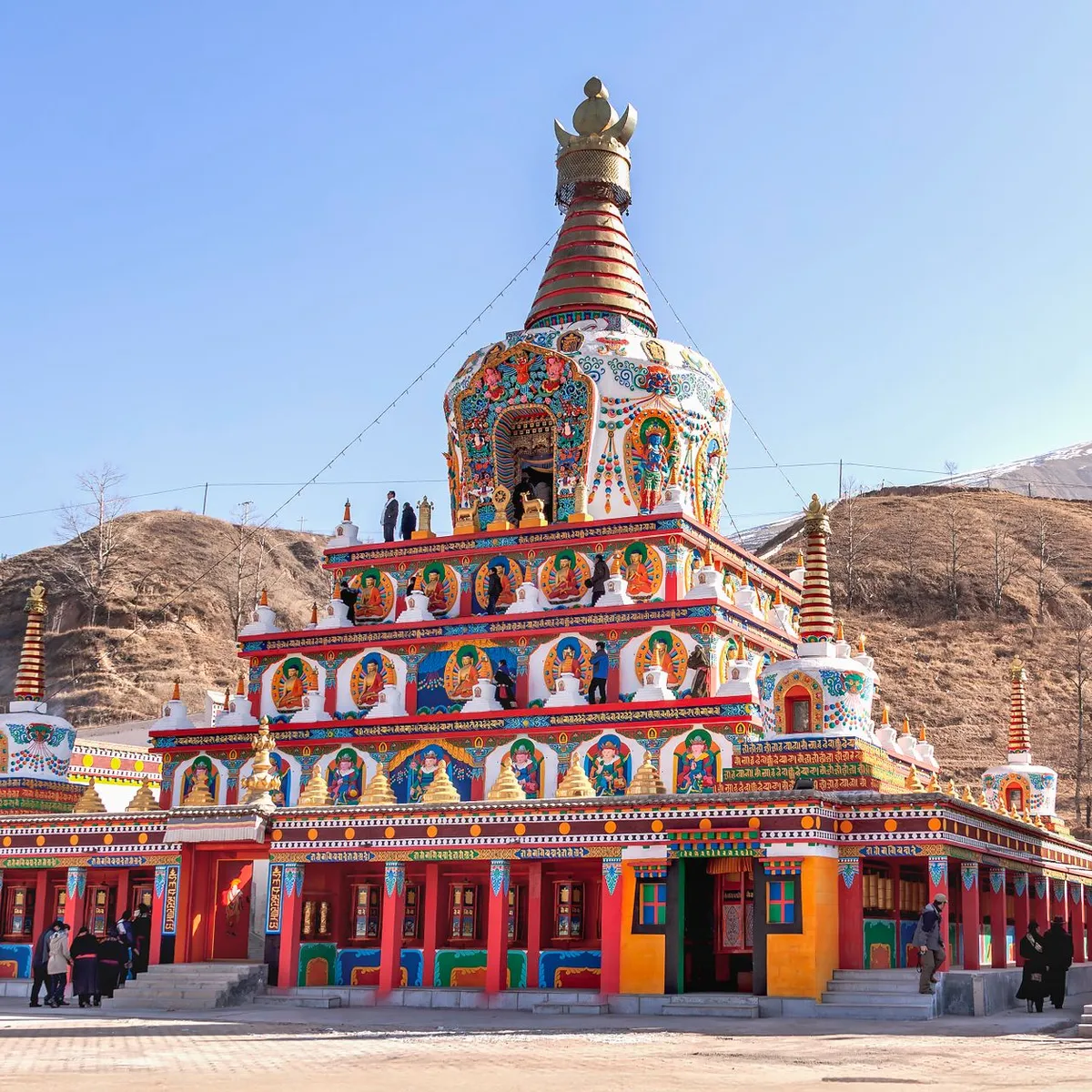
 Photo: Man Fong Wong / Pexels
Bayan Nur
Bayan Nur accessibility for wheelchair users
Compare Bayan Nur by accessibility, transport, terrain, healthcare, cost, weather, laws, reviews, and community notes.
Bayan Nur accessibility scores
Compare Bayan Nur by accessibility, transport, terrain, healthcare, cost, weather, and laws. General stats use public data and models. Community rows reflect member reviews and votes.
General stats
National benchmarks and estimates — your experience in this city may differ.
Community
Starts from our estimate — thumbs up nudge toward Excellent, down toward Poor. Reviews use 1–5 stars.
These figures combine public statistics, models, and live weather where available. Every city is different — treat this as a guide, and share what you know in the Reviews & Corrections tab.
Profile last updated 6/30/2026.
Bayan Nur wheelchair accessibility guide
Research Bayan Nur for wheelchair users and caregivers: getting around, terrain, healthcare, costs, climate, accessible things to do, and practical caveats before booking.
Last updated 6/30/2026At a glance
Bayan Nur is a large prefecture-level city in western Inner Mongolia, with Linhe District as the practical urban base for most visitors and longer-stay planning. The live RollVenture row is still empty before this batch and scores it as a relatively safe, low-cost China option, but not a proven wheelchair destination. Use the guide as a planning brief rather than a guarantee: the database terrain sample is very flat around the city core, while the pavement sample has low confidence and many untagged surfaces. Budget from ~$2,329/mo, with housing from ~$884/mo in the current city profile.
Getting around
Plan around taxis, private drivers, and hotel-arranged transfers rather than assuming spontaneous step-free public transport. Bayannur/Linhe has rail access and wide arterial roads, but station-to-hotel transfers should be confirmed in Chinese with vehicle space, ramp/portable-board options, and luggage handling. For wheelchair users, the most reliable pattern is to stay near Linhe’s center, pre-book day trips, and keep routes short.
Terrain & mobility
The DB terrain profile is the strongest local accessibility signal: average sampled elevation is about 1,039m, the sampled grade is very low, and the area is marked mostly flat. That helps with rolling fatigue, but the OSM pavement profile is low confidence and dominated by untagged surfaces with some asphalt and paving stones. Expect curb inconsistencies, winter ice, and long exposed distances; choose newer hotels, malls, hospitals, and parks first.
Healthcare & care
OpenStreetMap healthcare leads near the center include Bayannur City Hospital, Bayannur Mongolian Medicine Hospital, and Linhe District People’s Hospital. Treat these as location leads, not access guarantees. Ask a local contact to confirm step-free entrances, elevator access, and whether private payment, translation, or appointment booking is needed before relying on any facility.
Costs & housing
The profile estimates total monthly living cost from ~$2,329/mo and housing from ~$884/mo. In practice, accessible housing is the limiting variable: ask for elevator dimensions, bathroom thresholds, shower type, door width, and whether the building entrance has a ramp that works in snow. Serviced apartments or newer hotels in Linhe are safer starting points than older walk-ups.
Climate & comfort
Winters are harsh: DB climate data shows January around -8.6°C, with snow days in winter and a dry, windy continental pattern. July averages about 26°C. Cold, wind, and ice can matter more than slope for wheelchair users, so build in backup taxi days and avoid long outdoor transfers in winter.
Accessible things to do
Bayannur Station area— useful as an orientation and arrival zone; confirm elevator routes and assistance before travel.
Linhe central parks and riverfront streets— likely the easiest low-step outdoor option, but inspect curb cuts and surface breaks locally.
Hetao cultural/irrigation landscape— Bayannur is associated with the Hetao plain; private-driver viewing is safer than improvised rural access.
Wuliangsuhai / local wetland routes— consider only with a driver and current road/access confirmation, because boardwalk and toilet access may vary.
Community & language
Mandarin is the working language; Mongolian cultural context is present, but English support should not be assumed outside larger hotels. Save hospital names and addresses in Chinese, and arrange translation for medical or care discussions.
Would we recommend it?
Recommend only for experienced China travelers who can arrange private transfers and verify lodging carefully. The flat terrain is encouraging, but low pavement confidence, cold winters, and limited verified accessibility information make it a moderate-risk choice for independent wheelchair travel.
These figures combine public statistics, models, and live weather where available. Every city is different — treat this as a guide, and share what you know in the Reviews & Corrections tab.
Profile last updated 6/30/2026.