 Photo: 征宇 郑 / Pexels
Beijing
Beijing accessibility for wheelchair users
Compare Beijing by accessibility, transport, terrain, healthcare, cost, weather, laws, reviews, and community notes.
Beijing accessibility scores
Compare Beijing by accessibility, transport, terrain, healthcare, cost, weather, and laws. General stats use public data and models. Community rows reflect member reviews and votes.
General stats
National benchmarks and estimates — your experience in this city may differ.
Community
Starts from our estimate — thumbs up nudge toward Excellent, down toward Poor. Reviews use 1–5 stars.
These figures combine public statistics, models, and live weather where available. Every city is different — treat this as a guide, and share what you know in the Reviews & Corrections tab.
Profile last updated 6/30/2026.
Beijing wheelchair accessibility guide
Research Beijing for wheelchair users and caregivers: getting around, terrain, healthcare, costs, climate, accessible things to do, and practical caveats before booking.
Last updated 6/30/2026At a glance
Beijing is a strong high-support choice for wheelchair users who want a large, flat capital with major hospitals, metro reach, and world-class museums, but it still needs careful trip planning. RollVenture’s terrain data is encouraging: mostly flat, around 43 m average elevation, and only about 0.5% maximum grade in the sampled center. The weaker signal is pavement confidence: many streets are untagged in OSM, so assume smooth corridors around business districts and flagship sights, but do not assume every hutong lane, underpass, or curb cut works.
Getting around
The Beijing Subway has an English official site and is the backbone for step-free planning, but station-by-station elevator status should be checked before each outing. The airport express, newer metro lines, taxis booked by hotel staff, and short rides between clustered sights are usually easier than trying to improvise long sidewalk routes. Build buffer time for security checks at stations and attractions.
Terrain & mobility
Central Beijing is physically flatter than many Chinese destination cities. The practical friction is not slope; it is distance, crowds, wide road crossings, older alleys, tactile paving interruptions, and occasional ramp detours. Plan sightseeing in compact zones: Tiananmen/National Museum/Forbidden City area, Olympic Green, or a museum-plus-park day rather than several cross-city hops.
Healthcare & care
The database shows several hospital leads within about 4-8 km of the center, including Beijing New Century Children’s Hospital and Beijing Raffles Hospital. Treat OSM healthcare entries as leads, not guarantees. International travelers should arrange insurance, keep Mandarin addresses for hospitals and hotels, and ask accommodation staff to pre-confirm step-free entrances and ambulance access.
Costs & housing
Use the RollVenture estimate as a planning baseline: living costs from ~$2,975/mo, housing from ~$1,435/mo, local transport from ~$231/mo, medical from ~$161/mo, and home aid from ~$592/mo. Accessible housing is the hard part: prioritize newer serviced apartments or international hotels near Line 1, Line 2, Line 8, or Line 10 stations, and request photos of the bathroom threshold, shower, lift, and route from street to room.
Climate & comfort
Beijing has hot summers, cold dry winters, dust, and air-quality swings. Wheelchair users should plan indoor museum days during poor-air or icy periods, carry masks if sensitive, and avoid long exposed transfers in July-August heat or January wind.
Accessible things to do
National Museum of China— Official English pages confirm the museum and its central location; it is a practical anchor because it sits beside major transit and large paved public spaces. Confirm current entry and accessible entrance procedures.
Beijing Subway / Olympic Green corridor— The official subway site supports route planning; Olympic Green is a useful low-slope district with broad modern paths, though event-day crowds can be intense.
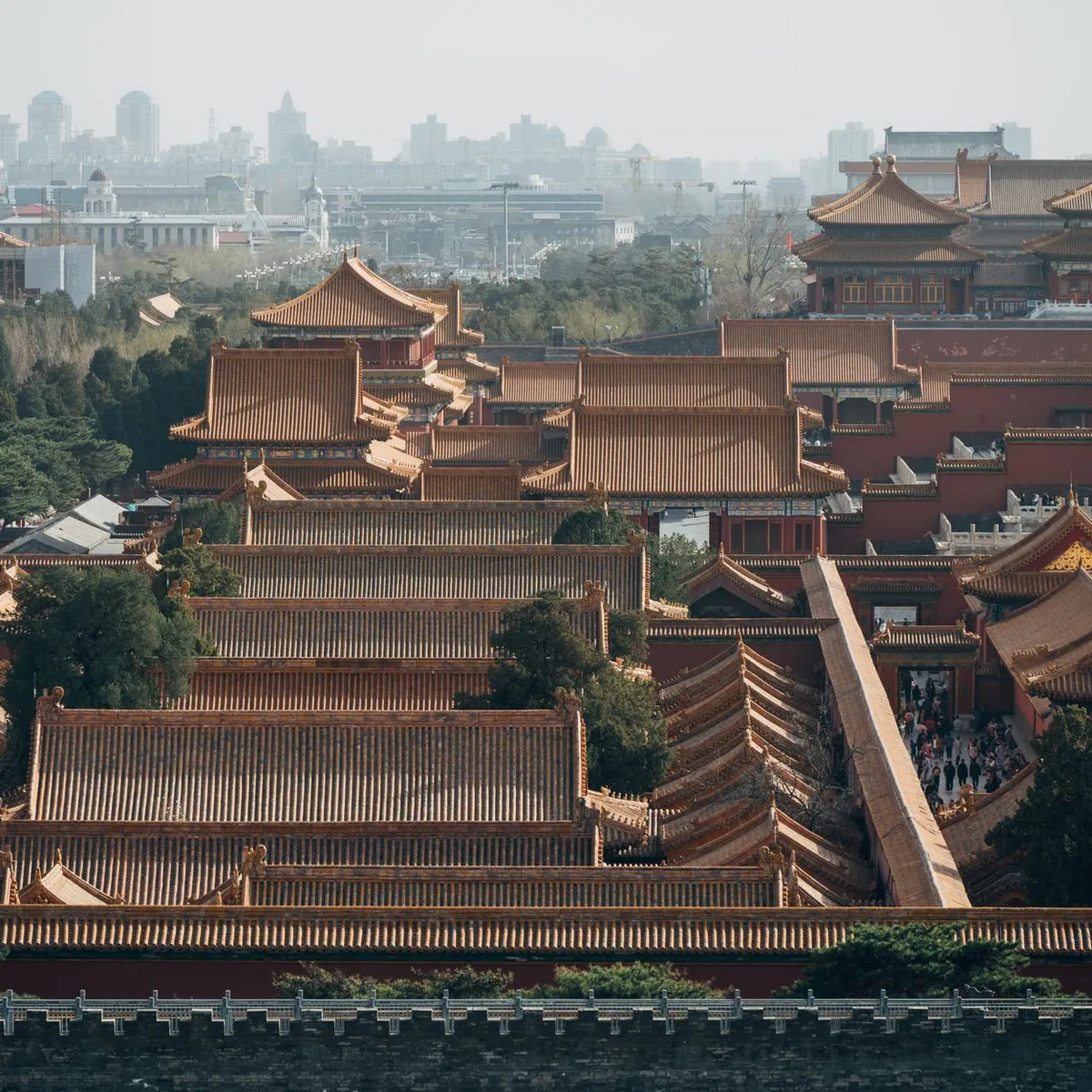
Palace Museum / Forbidden City— The official museum site is the source to check for current visitor services. Surfaces and crowds vary, so wheelchair users should treat it as possible but logistics-heavy.
Tiananmen Square area— Flat and iconic, but security queues, distance, and crowd control are the main barriers. Go early, carry identification, and keep the day simple.
Community & language
English is present in international hotels, airports, some museums, and private hospitals, but not reliably in taxis or neighborhood clinics. Keep key accessibility phrases in Chinese and use map screenshots.
Would we recommend it?
Yes, for travelers who can plan around crowds, security, and language. Beijing’s flat terrain, metro network, hospitals, and major attractions make it viable, but only with pre-confirmed step-free routes and conservative daily pacing.
These figures combine public statistics, models, and live weather where available. Every city is different — treat this as a guide, and share what you know in the Reviews & Corrections tab.
Profile last updated 6/30/2026.
Reviews & corrections
Share your experience or suggest a data correction. Both appear publicly; admin updates official city scores and costs separately.
Log in to write a review or suggest a correction.
No reviews or corrections yet.