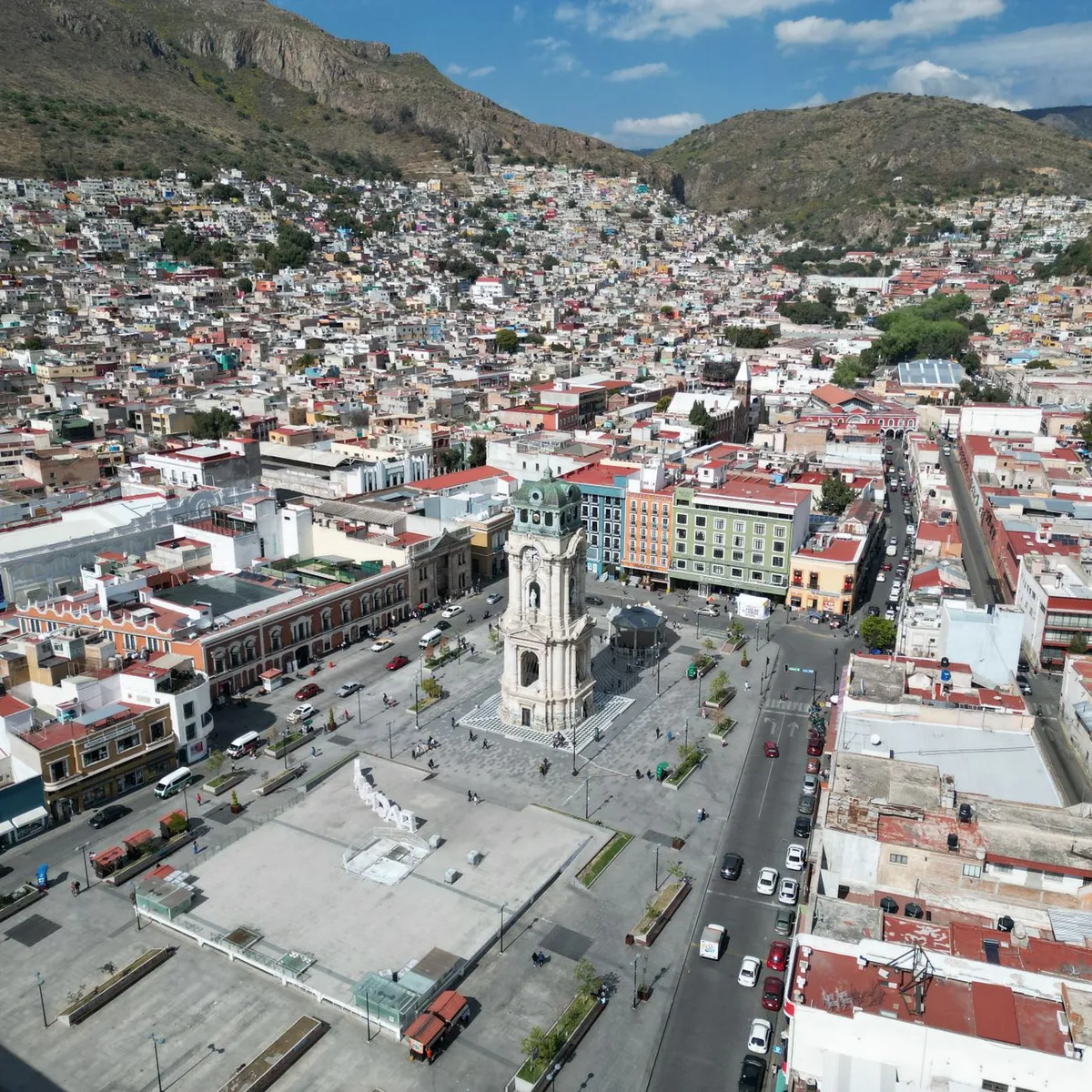
 Photo: Israel Picazo / Pexels
Benito Juárez
Benito Juárez accessibility for wheelchair users
Compare Benito Juárez by accessibility, transport, terrain, healthcare, cost, weather, laws, reviews, and community notes.
Benito Juárez accessibility scores
Compare Benito Juárez by accessibility, transport, terrain, healthcare, cost, weather, and laws. General stats use public data and models. Community rows reflect member reviews and votes.
General stats
National benchmarks and estimates — your experience in this city may differ.
Community
Starts from our estimate — thumbs up nudge toward Excellent, down toward Poor. Reviews use 1–5 stars.
These figures combine public statistics, models, and live weather where available. Every city is different — treat this as a guide, and share what you know in the Reviews & Corrections tab.
Profile last updated 7/1/2026.
Benito Juárez wheelchair accessibility guide
Research Benito Juárez for wheelchair users and caregivers: getting around, terrain, healthcare, costs, climate, accessible things to do, and practical caveats before booking.
Last updated 7/1/2026At a glance
Benito Juárez is one of Mexico City’s more practical bases for a wheelchair user who wants services, hospitals, cafés, and cultural venues without being far from the central city. It is not an easy-access destination in a Northern European sense: curb cuts can be inconsistent, some sidewalks are interrupted by driveways or street furniture, and rain can expose drainage problems. Still, compared with many Mexico City districts, the Del Valle, Narvarte, Nápoles, Xoco, and Insurgentes Sur corridors give you a better chance of finding smoother pavements, elevators in newer buildings, and short taxi or rideshare hops between errands. Treat it as a workable urban base if you can verify each apartment entrance and building lift before booking.
Getting around
Metro and Metrobús coverage is useful but not uniformly step-free. The safest approach is to plan around accessible stations individually, confirm elevator operation on the day, and keep a rideshare backup. Wide avenues such as Insurgentes and División del Norte can be efficient but crossings are long and busy. For medical appointments or luggage, an accessible private transfer is safer than assuming taxis can load a wheelchair.
Terrain & mobility
The database terrain profile flags Benito Juárez as very hilly at the wider sample scale, but the borough’s central neighborhoods often feel flatter than western Mexico City. OSM pavement sampling is high confidence with many asphalt, concrete, and paving-stone surfaces, which is encouraging. The real barrier is continuity: missing curb ramps, parked cars, tree roots, and construction can turn a short roll into a detour.
Healthcare & care
OpenStreetMap lists nearby clinics and hospitals including Unidad de Medicina Familiar 28 Del Valle, Unidad de Medicina Familiar 19 Coyoacán, Hospital Santa Coleta, and Hospital Dermatológico Ladislao Pascua. Use these as leads, not guarantees of accessible entry or English-speaking intake. Mexico City has deep private healthcare capacity, but wheelchair users should ask specifically about entrance ramps, lift dimensions, exam-table transfer help, and whether a companion can stay during appointments.
Costs & housing
RollVenture’s current city data estimates living costs from ~$2,182/mo, including housing from ~$871/mo. That can work for a long stay, but step-free housing is the constraint. Prioritize newer apartment towers, ask for photos of the street-to-lobby route, elevator interior, shower threshold, bathroom door width, and whether backup power covers lifts.
Climate & comfort
The high-altitude climate is mild, with warm days and cool nights. The rainy season can make curb ramps slick and flood poorly drained corners. Air quality can also matter for wheelchair users with respiratory vulnerability, so consider an air purifier and avoid apartments directly on major arteries if possible.
Accessible things to do
Cineteca Nacional— A major film venue in Xoco; newer public areas are more promising than older cultural sites, but confirm screening-room access and elevator status before booking.
Parque Hundido— A leafy urban park with paved sections; some paths and entrances may be uneven or sloped, so treat it as a partial-access outdoor stop.
Polyforum Cultural Siqueiros / WTC area— Useful for culture, events, restaurants, and hotel infrastructure around Nápoles; verify event access and ramps with the venue.
Avenida Insurgentes corridor— Practical for food, services, and transport connections; choose specific blocks with smoother sidewalks rather than wandering without a route.
Community & language
Spanish is essential for clinics, building staff, and drivers, though English is more common in hotels and some private medical settings. Benito Juárez has a middle-class, service-rich feel, which helps with deliveries and daily errands.
Would we recommend it?
Yes, cautiously. Benito Juárez is not barrier-free, but it is one of the more workable Mexico City bases if you can afford verified step-free housing, plan transport station by station, and use rideshare or private transfers when the sidewalk network breaks down.
These figures combine public statistics, models, and live weather where available. Every city is different — treat this as a guide, and share what you know in the Reviews & Corrections tab.
Profile last updated 7/1/2026.