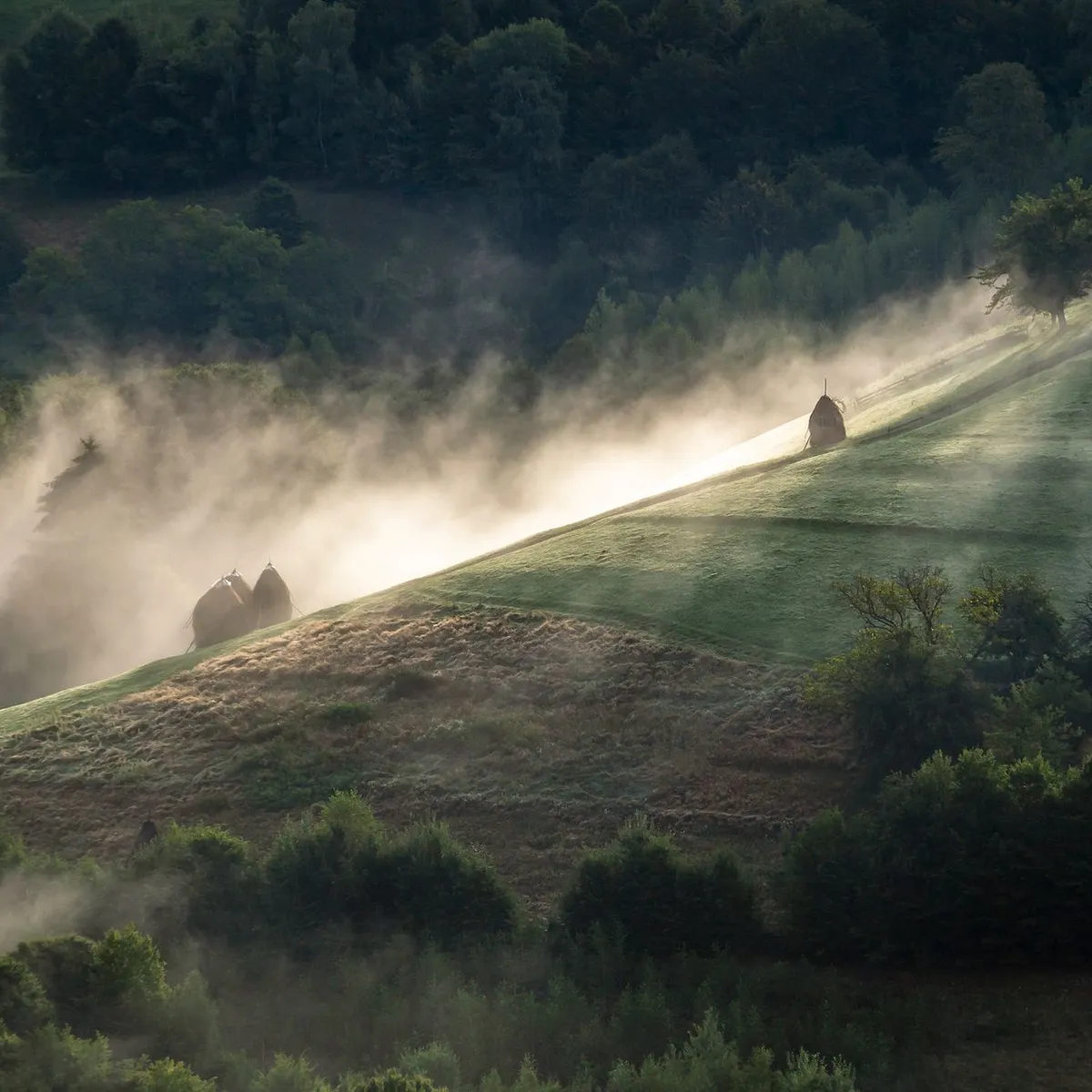
 Photo: Andreea Vestea / Pexels
Botoşani
Botoşani accessibility for wheelchair users
Compare Botoşani by accessibility, transport, terrain, healthcare, cost, weather, laws, reviews, and community notes.
Botoşani accessibility scores
Compare Botoşani by accessibility, transport, terrain, healthcare, cost, weather, and laws. General stats use public data and models. Community rows reflect member reviews and votes.
General stats
National benchmarks and estimates — your experience in this city may differ.
Community
Starts from our estimate — thumbs up nudge toward Excellent, down toward Poor. Reviews use 1–5 stars.
These figures combine public statistics, models, and live weather where available. Every city is different — treat this as a guide, and share what you know in the Reviews & Corrections tab.
Profile last updated 7/1/2026.
Botoşani wheelchair accessibility guide
Research Botoşani for wheelchair users and caregivers: getting around, terrain, healthcare, costs, climate, accessible things to do, and practical caveats before booking.
Last updated 7/1/2026At a glance
Botoșani is a northern Romanian city with a strong cultural identity, several named museums and theatres, and lower estimated costs than many Western European options. RollVenture estimates the city from ~$1,934/mo. For wheelchair users, the appeal is compact culture and healthcare access; the caution is older streets, mixed pavement, winter weather, and limited proof of step-free venue access.
Getting around
Public sources describe local public transport as buses replacing/covering former tram routes during modernization. That is useful for general mobility but does not confirm low-floor boarding, ramp reliability, or stop accessibility. Regional access is usually through Suceava airport, roughly 30 km away, plus road links. For a wheelchair user, the safest plan is to arrange airport transfer in advance, choose lodging near the old centre/cultural sites, and use taxis for longer hops.
Terrain & mobility
OpenTopoData marks Botoșani as hilly, with a sampled maximum grade of about 3.2% and an elevation range around 205 m. OSM pavement confidence is high but mixed: asphalt is common, yet gravel and unpaved surfaces also appear. That matches the likely experience of an older Moldavian city: some central routes may be manageable, but side streets, historic thresholds, and winter conditions can quickly become barriers. Snow is not constant, but DB climate data shows roughly 39 snowy days per year.
Healthcare & care
The DB healthcare profile lists Spitalul Mavromati, obstetrics/gynecology, pneumoftiziology, and several clinics as OSM leads. These are useful for orientation, not a substitute for medical confirmation. If you need ongoing care, contact the hospital or clinic before arrival to confirm accessible entrances, lift access, specialist availability, and language support. Romania's EU context can help with legal expectations, but older buildings may still be uneven.
Costs & housing
Estimated cost is from ~$1,934/mo, with housing around $780/mo. Accessible rentals may be limited because many buildings predate modern accessibility norms. Ask for video of the entrance, elevator, bathroom, shower, bed height, and winter snow-clearing arrangements. A newer apartment block with elevator is likely a better bet than a charming old-town building.
Climate & comfort
The city has four seasons: warm summers, cold winters, and shoulder seasons that are often best for rolling. DB climate data shows an annual average around 11.1°C, winter monthly averages below freezing, and annual precipitation around 552 mm. For comfort, avoid icy weeks unless you have local help.
Accessible things to do
Botoșani County Museum— Public sources describe historical, archaeological, and ethnographic sections; call ahead for entrance, lift, and restroom details.
Nicolae Iorga Memorial House— A named cultural site tied to the historian's childhood; heritage-house access may be limited, so verify thresholds.
Ștefan Luchian Art Galleries— A strong indoor option for local art if step-free entry is available.
Mihai Eminescu National Theatre exterior / central cultural district— The theatre is an important landmark; even if interiors are not confirmed, the surrounding central area can be a low-effort cultural route in good weather.
Historic churches such as Uspenia and Sfântu Gheorghe— Important landmarks, but older religious buildings may have steps; treat them as view-from-outside or assisted-entry stops unless confirmed.
Community & language
Romanian is the main language; English may be available in hotels, younger circles, and some clinics but should not be assumed. The city has a proud cultural scene, which can make museum staff helpful when contacted in advance.
Would we recommend it?
Yes for culture-focused wheelchair users who can tolerate some old-city friction and arrange transport. No for someone needing guaranteed accessible transit, step-free heritage interiors, or easy winter independence.
These figures combine public statistics, models, and live weather where available. Every city is different — treat this as a guide, and share what you know in the Reviews & Corrections tab.
Profile last updated 7/1/2026.