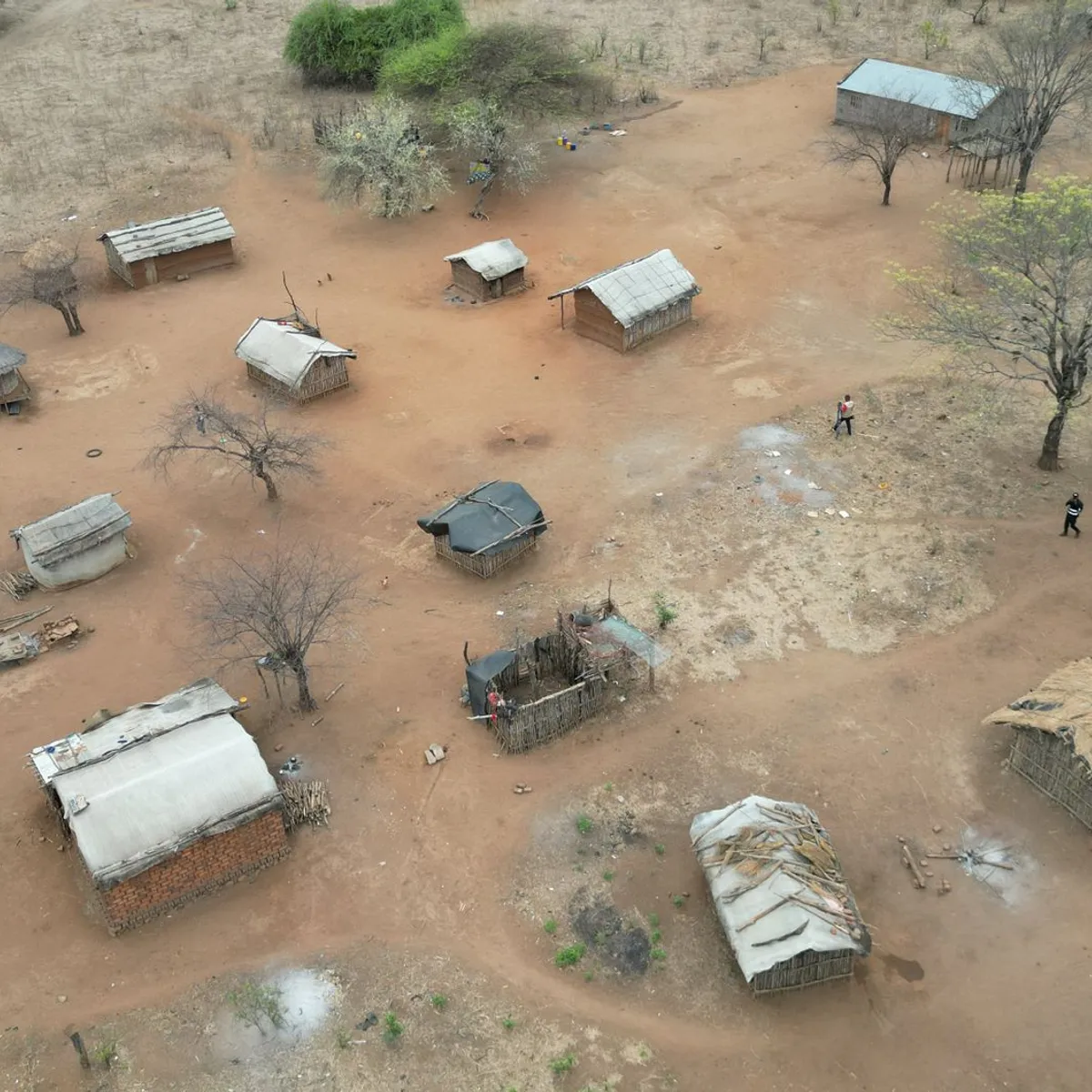
 Photo: SINAL Multimédia / Pexels
Bulawayo
Bulawayo accessibility for wheelchair users
Compare Bulawayo by accessibility, transport, terrain, healthcare, cost, weather, laws, reviews, and community notes.
Bulawayo accessibility scores
Compare Bulawayo by accessibility, transport, terrain, healthcare, cost, weather, and laws. General stats use public data and models. Community rows reflect member reviews and votes.
General stats
National benchmarks and estimates — your experience in this city may differ.
Community
Starts from our estimate — thumbs up nudge toward Excellent, down toward Poor. Reviews use 1–5 stars.
These figures combine public statistics, models, and live weather where available. Every city is different — treat this as a guide, and share what you know in the Reviews & Corrections tab.
Profile last updated 7/1/2026.
Bulawayo wheelchair accessibility guide
Research Bulawayo for wheelchair users and caregivers: getting around, terrain, healthcare, costs, climate, accessible things to do, and practical caveats before booking.
Last updated 7/1/2026At a glance
Bulawayo is one of Zimbabwe’s most interesting urban bases: calmer than Harare, close to Matobo country, and rich in museums and colonial-era streetscapes. For wheelchair users it should be approached as a moderately difficult destination, not a polished accessible city. RollVenture’s row shows monthly living from ~$2,215/mo and housing from ~$1,144/mo, with low scores for ramp availability and wheelchair transport. The city is not extremely steep, but infrastructure gaps mean a companion, driver, and careful hotel vetting are important.
Getting around
Do not rely on spontaneous wheelchair-accessible public transport. The practical pattern is airport or intercity arrival with assistance requested in advance, then a private driver or lodge/hotel vehicle for local movement. Many taxis and minibuses require transfers and may not carry a rigid chair easily. If you plan day trips to Matobo National Park or Khami Ruins, book through an operator who understands mobility needs and can describe vehicle height, step access, surfaces, toilets, and how close the vehicle can get to each stop.
Terrain & mobility
The DB terrain profile labels Bulawayo hilly but with modest sampled grades; central streets are often manageable by car-to-door routing. Pavement quality is the uncertainty. The OSM pavement sample is low-confidence and mostly untagged, so assume surfaces vary block by block. Sun exposure, broken kerbs, drainage channels, and older building entrances can be bigger obstacles than slope. A powerchair user should check charging reliability and backup plans during outages; a manual chair user should plan for pushes across rough edges.
Healthcare & care
OpenStreetMap healthcare leads include Mpilo Central Hospital, Mater Dei Hospital, United Bulawayo Hospitals, and other central facilities. These are leads only: verify emergency intake, private-room options, entrance ramps, and whether staff can support transfers. Bring spares for wheelchair tyres, cushions, chargers, and medication, because specialized disability equipment may be hard to source quickly. Personal care should be arranged through trusted local contacts or accommodation before arrival.
Costs & housing
Costs are moderate by international standards but not necessarily cheap once you add private transport and reliable accommodation. The DB estimate starts at about ~$2,215/mo; accessible lodging may push that higher. Prioritize newer hotels, lodges with ground-floor rooms, and places that will send photos of the bathroom, shower, threshold, and path from parking. Ask about generator backup, water reliability, and whether staff can help with ramps without treating that as the accessibility plan.
Climate & comfort
Bulawayo’s high elevation makes it more comfortable than many lowland African cities, with warm days and cooler nights. Dry-season dust can bother respiratory conditions; rainy-season drainage and muddy shoulders can make outdoor sites harder. Shade, water, and flexible pacing matter.
Accessible things to do
Natural History Museum of Zimbabwe— The museum’s official site confirms it as a major Bulawayo institution. It is a promising indoor stop, but confirm entrance, gallery, and restroom access before going.
National Gallery in Bulawayo— The National Gallery of Zimbabwe has a Bulawayo presence and is a manageable cultural target if current ramp and internal circulation are confirmed.
Bulawayo Railway Museum— A well-known railway heritage stop. Expect uneven outdoor surfaces and historic rolling stock that may not be step-free; treat it as a partial-access visit.
Matobo National Park / Matobo Hills— A major regional draw outside the city. Wheelchair users should book a vehicle-based itinerary and be conservative about trails, rocks, and toilets.
Community & language
English is widely useful in formal settings; Ndebele and Shona are also important. People may be helpful, but access standards are inconsistent, so ask concrete questions rather than yes/no “is it accessible?” questions.
Would we recommend it?
Yes for adventurous wheelchair travelers with a driver and support plan. Bulawayo has strong cultural value and a less frantic pace, but low ramp availability, limited wheelchair transport, and uncertain infrastructure make it a poor choice for travelers who need predictable step-free independence.
These figures combine public statistics, models, and live weather where available. Every city is different — treat this as a guide, and share what you know in the Reviews & Corrections tab.
Profile last updated 7/1/2026.