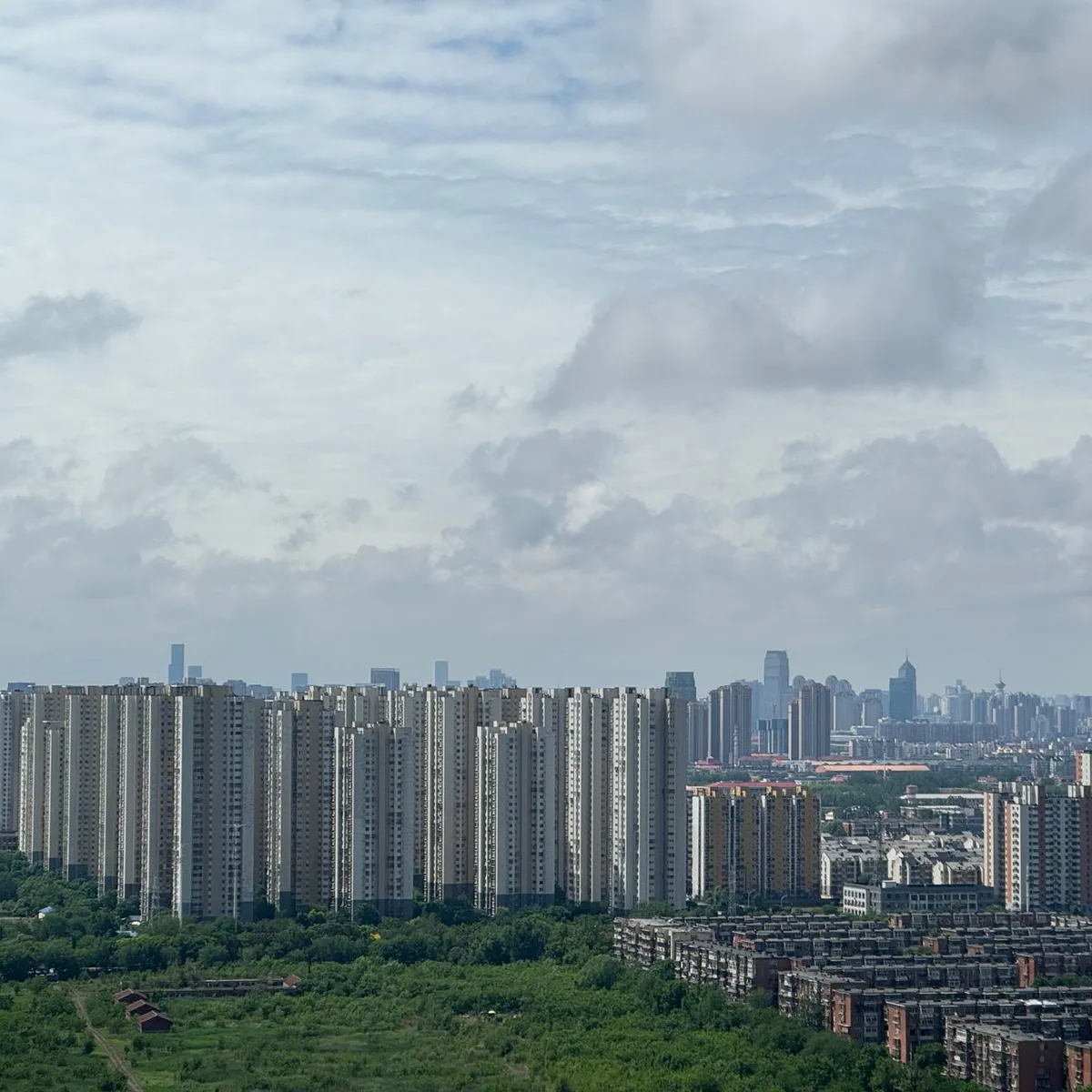
 Photo: Shuaizhi Tian / Pexels
Changzhi
Changzhi accessibility for wheelchair users
Compare Changzhi by accessibility, transport, terrain, healthcare, cost, weather, laws, reviews, and community notes.
Changzhi accessibility scores
Compare Changzhi by accessibility, transport, terrain, healthcare, cost, weather, and laws. General stats use public data and models. Community rows reflect member reviews and votes.
General stats
National benchmarks and estimates — your experience in this city may differ.
Community
Starts from our estimate — thumbs up nudge toward Excellent, down toward Poor. Reviews use 1–5 stars.
These figures combine public statistics, models, and live weather where available. Every city is different — treat this as a guide, and share what you know in the Reviews & Corrections tab.
Profile last updated 6/30/2026.
Changzhi wheelchair accessibility guide
Research Changzhi for wheelchair users and caregivers: getting around, terrain, healthcare, costs, climate, accessible things to do, and practical caveats before booking.
Last updated 6/30/2026At a glance
Changzhi is a large prefecture-level city in southeastern Shanxi, useful for people who want a lower-cost northern China base but challenging for independent wheelchair travel. The live city row scores it well for safety and infrastructure, but the terrain profile is a serious caution: OpenTopoData samples label the area very hilly, with a recorded 13.3% maximum grade and a wide elevation range. Treat the city as a place for planned, assisted routes rather than spontaneous rolling.
Monthly living cost is shown in RollVenture as from ~$2,167/mo, with housing from ~$758/mo. Those figures are modelled country/city estimates, so verify current accessible rentals, lift access, bathroom layouts, and step-free entry before committing.
Getting around
Changzhi is described in public reference sources as a Shanxi transport centre with expressways, national highways, railways, Changzhi Wangcun Airport, and internal bus/taxi networks. For wheelchair users, the existence of transport links should not be read as step-free access. Expect to arrange station or airport assistance ahead of time, use taxis or private drivers for cross-town trips, and ask hotels or hospitals to confirm vehicle loading space.
Terrain & mobility
This is the main downside. The DB terrain profile is very hilly, and the pavement profile is low-confidence OSM data with many untagged surfaces. Central squares, hospital frontage, newer malls, and major civic streets are likely easier than older lanes or mountain-edge routes, but curb cuts and sidewalk continuity should be checked in person. A power chair or travel companion will matter more here than in flatter Chinese cities.
Healthcare & care
The stored healthcare lead is 垣曲县人民医院, shown from OpenStreetMap about 11.3 km from the city centre. Treat it as a lead, not a guarantee of services, English support, or accessible entrances. For a longer stay, identify a central hospital, a pharmacy near housing, and a local contact who can call ahead in Mandarin. Personal-care hiring and equipment repair should be arranged before arrival.
Costs & housing
Costs look moderate for China rather than bargain-level. Prioritize newer elevator buildings, serviced apartments, or hotel-style rentals near major roads. Ask for videos of the entrance, lift, bathroom threshold, shower, bed height, and street approach. Avoid units on steep side streets even if the building itself has an elevator.
Climate & comfort
Public climate references describe Changzhi as dry, monsoon-influenced continental: cold, very dry winters and warm, somewhat humid summers, with much of the rain from June to August. Winter cold and summer storm runoff can both reduce curb and pavement usability.
Accessible things to do
Bayi Square area— A central civic landmark visible in public references; likely one of the more practical outdoor orientation points, but verify curb cuts and crowd levels.
Changzhi transport corridors and city centre— Use major roads and newer civic blocks for short, assisted outings rather than old lanes.
Taihang/Shangdang history stops— The region has strong historical identity, including Shangdang references; choose museums or indoor venues only after confirming step-free entry.
Local parks or plaza walks— Suitable only after a hotel or local contact confirms paved routes and accessible toilets.
Community & language
Mandarin will be essential for healthcare, taxis, and access questions. Translation apps help, but a local assistant is strongly recommended for the first week.
Would we recommend it?
Only with caution. Changzhi may work for a budget-conscious, Mandarin-supported traveler with a power chair and prearranged transport, but the hills and low-confidence pavement data make it a poor first China base for independent wheelchair users.
These figures combine public statistics, models, and live weather where available. Every city is different — treat this as a guide, and share what you know in the Reviews & Corrections tab.
Profile last updated 6/30/2026.
Reviews & corrections
Share your experience or suggest a data correction. Both appear publicly; admin updates official city scores and costs separately.
Log in to write a review or suggest a correction.
No reviews or corrections yet.