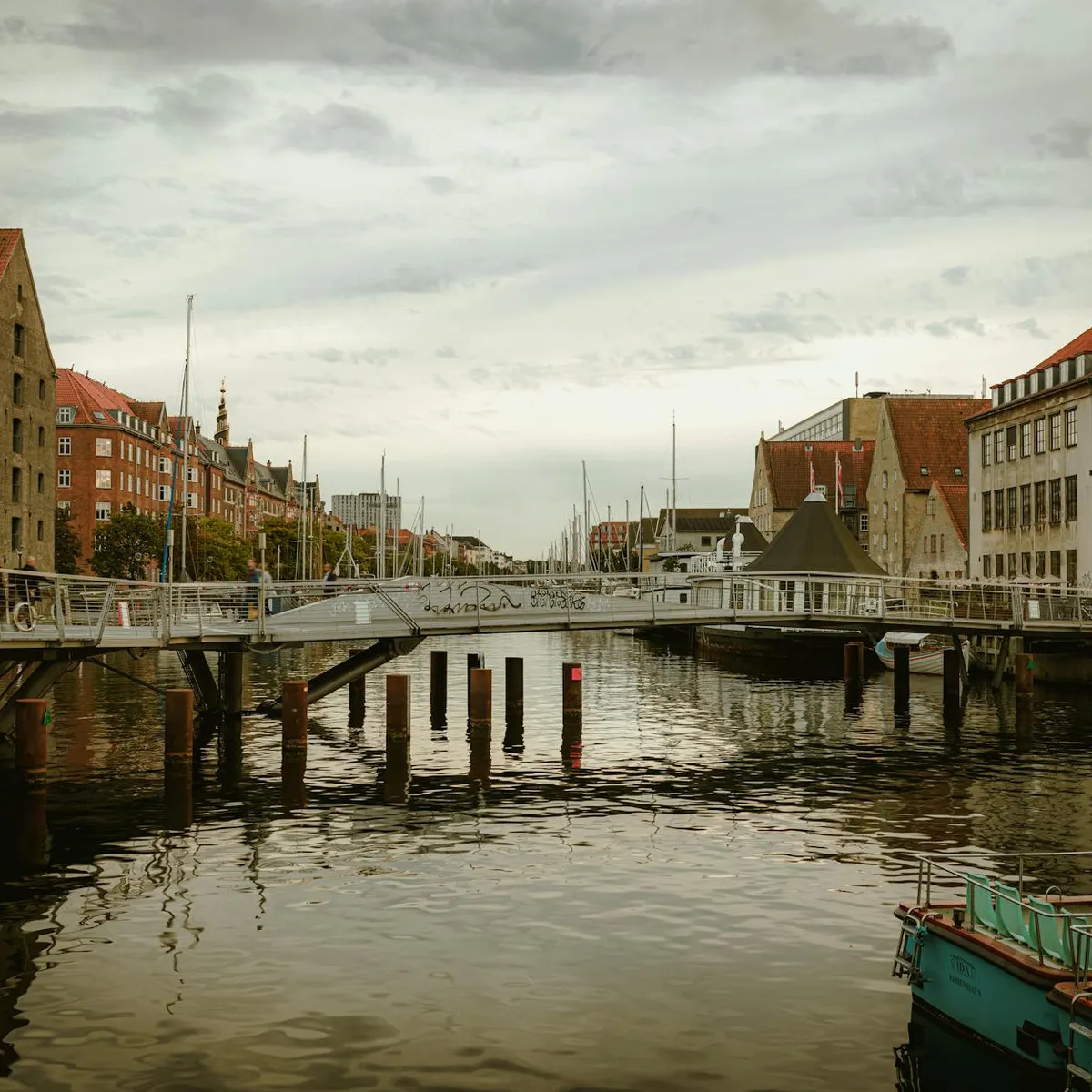
 Photo: Gije Cho / Pexels
Copenhagen
Copenhagen accessibility for wheelchair users
Compare Copenhagen by accessibility, transport, terrain, healthcare, cost, weather, laws, reviews, and community notes.
Copenhagen accessibility scores
Compare Copenhagen by accessibility, transport, terrain, healthcare, cost, weather, and laws. General stats use public data and models. Community rows reflect member reviews and votes.
General stats
National benchmarks and estimates — your experience in this city may differ.
Community
Starts from our estimate — thumbs up nudge toward Excellent, down toward Poor. Reviews use 1–5 stars.
These figures combine public statistics, models, and live weather where available. Every city is different — treat this as a guide, and share what you know in the Reviews & Corrections tab.
Profile last updated 6/30/2026.
Copenhagen wheelchair accessibility guide
Research Copenhagen for wheelchair users and caregivers: getting around, terrain, healthcare, costs, climate, accessible things to do, and practical caveats before booking.
Last updated 6/30/2026At a glance
Copenhagen is a strong wheelchair city by European standards: flat terrain, metro access, harbour buses, parks, museums and major hospitals are all close together. It is still an old city, so cobbles, small shop steps, historic buildings and bus-assistance limits need planning.
Getting around
Visit Copenhagen says all metro stations have elevators or lifts, all S-train stations have elevator or step-free access, regional-train assistance is available through DSB with advance booking, and harbour buses are wheelchair-accessible. City buses have manual ramps at the middle doors, but drivers cannot leave the seat to assist and mobility scooters are not accepted.
Terrain & mobility
The DB terrain profile is excellent: mostly flat, with all sampled points flat and a very low elevation range. The pavement profile is high-confidence and mostly good, though sett and paving stones appear. Official city guidance warns that some central streets, shops and old buildings remain difficult, so choose routes rather than assuming universal access.
Healthcare & care
Rigshospitalet is the major specialist hospital anchor, and the DB healthcare profile also lists Bispebjerg Hospital as a general hospital. For emergencies use 112; for urgent Danish healthcare pathways, confirm the current regional contact process before travel.
Costs & housing
The database estimate is **from ~$4,538/mo**, with housing around **$2,240/mo**. Copenhagen is expensive, so accessible apartments near metro or S-train stations are valuable; confirm lift size, threshold-free shower, winter heating and whether the building has bike-room obstacles at the entrance.
Climate & comfort
Database climate rows show cool winters, mild summers and steady rainfall. Wind, cold rain and winter ice can make otherwise flat routes tiring. Heating is standard, but A/C is not guaranteed in older apartments.
Accessible things to do
Tivoli Gardens— Tivoli publishes guidance for guests with special needs, including accessible restrooms, staff assistance, companion arrangements and queue-consideration cards with documentation.
Copenhagen City Hall— Visit Copenhagen links City Hall to an Access Denmark accessibility factsheet, making it a useful civic landmark to verify before a central sightseeing day.
The Danish Parliament / Christiansborg area— Visit Copenhagen links accessibility information through God Adgang/Access Denmark; contact ahead if you need a specific tour route or assistance.
Harbour buses and waterfront routes— Visit Copenhagen states harbour buses are wheelchair-accessible, giving a scenic transit option when weather cooperates; check dock conditions and schedules.
Rosenborg Castle— Include as a caution rather than a default recommendation: Visit Copenhagen says it was not built for wheelchairs, with ground-floor and basement access only possible with helper lifting on stairs.
Community & language
Danish is the local language, but English is widely used in tourism, transit and healthcare. Access Denmark/God Adgang factsheets are valuable; use them before booking older attractions or restaurants.
Would we recommend it?
Yes, strongly, especially for travellers who want reliable transit and flat routes. Copenhagen's main downside is cost and the need to check old-city venues, not the basic mobility framework. Choose accommodation by metro or S-train access and the city becomes much easier, especially for rainy or windy days.
These figures combine public statistics, models, and live weather where available. Every city is different — treat this as a guide, and share what you know in the Reviews & Corrections tab.
Profile last updated 6/30/2026.