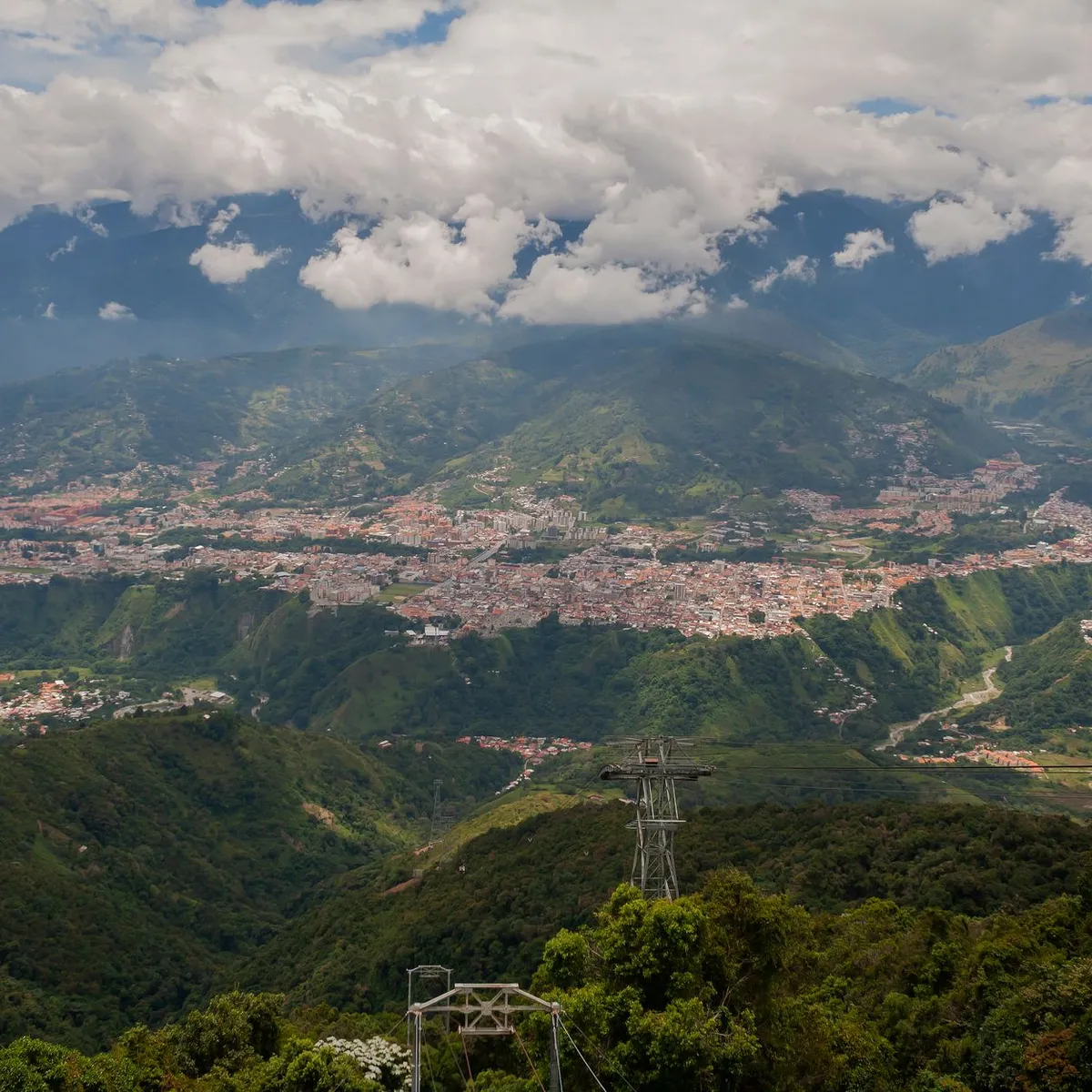
 Photo: Arturo Añez. / Pexels
Cumaná
Cumaná accessibility for wheelchair users
Compare Cumaná by accessibility, transport, terrain, healthcare, cost, weather, laws, reviews, and community notes.
Cumaná accessibility scores
Compare Cumaná by accessibility, transport, terrain, healthcare, cost, weather, and laws. General stats use public data and models. Community rows reflect member reviews and votes.
General stats
National benchmarks and estimates — your experience in this city may differ.
Community
Starts from our estimate — thumbs up nudge toward Excellent, down toward Poor. Reviews use 1–5 stars.
These figures combine public statistics, models, and live weather where available. Every city is different — treat this as a guide, and share what you know in the Reviews & Corrections tab.
Profile last updated 7/2/2026.
Cumaná wheelchair accessibility guide
Research Cumaná for wheelchair users and caregivers: getting around, terrain, healthcare, costs, climate, accessible things to do, and practical caveats before booking.
Last updated 7/2/2026At a glance
Cumaná, on Venezuela’s Caribbean coast, is one of the country’s oldest colonial cities and has a compact set of historic landmarks including the Basilica of Saint Agnes, the Castle of Saint Anthony of the Eminence, Plaza Bolívar, and literary heritage around José Antonio Ramos Sucre. RollVenture estimates costs from ~$2,645/mo, but the accessibility profile is cautious: mixed terrain, low-confidence pavement data, and limited disability protections. It can work for a slow, supported stay if you keep routes short and verify care and transport before arrival.
Getting around
Use taxis or private drivers rather than expecting reliable wheelchair-accessible transit. The historic center is the most practical area for short visits, but curb cuts, sidewalk continuity, and surface condition are not guaranteed. Ask drivers to wait during stops, because finding an accessible return vehicle spontaneously may be difficult. If arriving by air or intercity bus, confirm assistance, baggage handling, and chair storage in writing.
Terrain & mobility
The terrain sample is “Mixed,” with some flatter samples but also meaningful grade variation. Pavement data is low-confidence, with many untagged roads and some asphalt or paved surfaces. Historic streets near plazas, churches, and fort approaches may include slopes, steps, and uneven edges. A manual wheelchair user should assume assistance will be needed for several crossings or entrances.
Healthcare & care
The DB row lists Ambulatorio Fe y Alegría, Clinica Oriente, Hospital Julio Rodríguez SAO, Policlínica Sucre, and Clínica Santa Ana as nearby OSM healthcare leads. Verify current services, emergency intake, payment, medication availability, and physical access before depending on them. For longer stays, bring a Spanish medication list and identify a local contact who can call clinics.
Costs & housing
Estimated monthly costs start around ~$2,645/mo. Housing may be affordable compared with larger capitals, but accessible lodging is uncertain. Request current photos of entrances, bathrooms, showers, bed clearances, elevators, and the street outside. Generator or water reliability may matter as much as step-free design.
Climate & comfort
Cumaná is hot and coastal. Heat and sun exposure can make short distances feel longer, so schedule historic-center visits early or late, carry water, and build in indoor breaks.
Accessible things to do
Plaza Bolívar— The central square is the best first test for surface quality and nearby drop-offs; verify curb cuts and shade.
Basilica of Saint Agnes— A landmark church; confirm entrance steps, service times, and whether side access is available.
Castle of Saint Anthony of the Eminence— Historically important but likely to involve slope or steps; treat it as a cautious exterior or assisted visit.
Ramos Sucre birthplace area— A literary-history stop in the center; verify opening status and doorway access before planning around it.
Community & language
Spanish is essential. Tourism infrastructure can be thin, so use local contacts, hotel staff, or clinic staff for calls. Keep written addresses and backup cash/payment options.
Would we recommend it?
Maybe, for experienced travelers with Spanish support and flexible expectations. Cumaná has meaningful historic anchors, but wheelchair comfort depends on verified lodging, private transport, and conservative route planning.
These figures combine public statistics, models, and live weather where available. Every city is different — treat this as a guide, and share what you know in the Reviews & Corrections tab.
Profile last updated 7/2/2026.