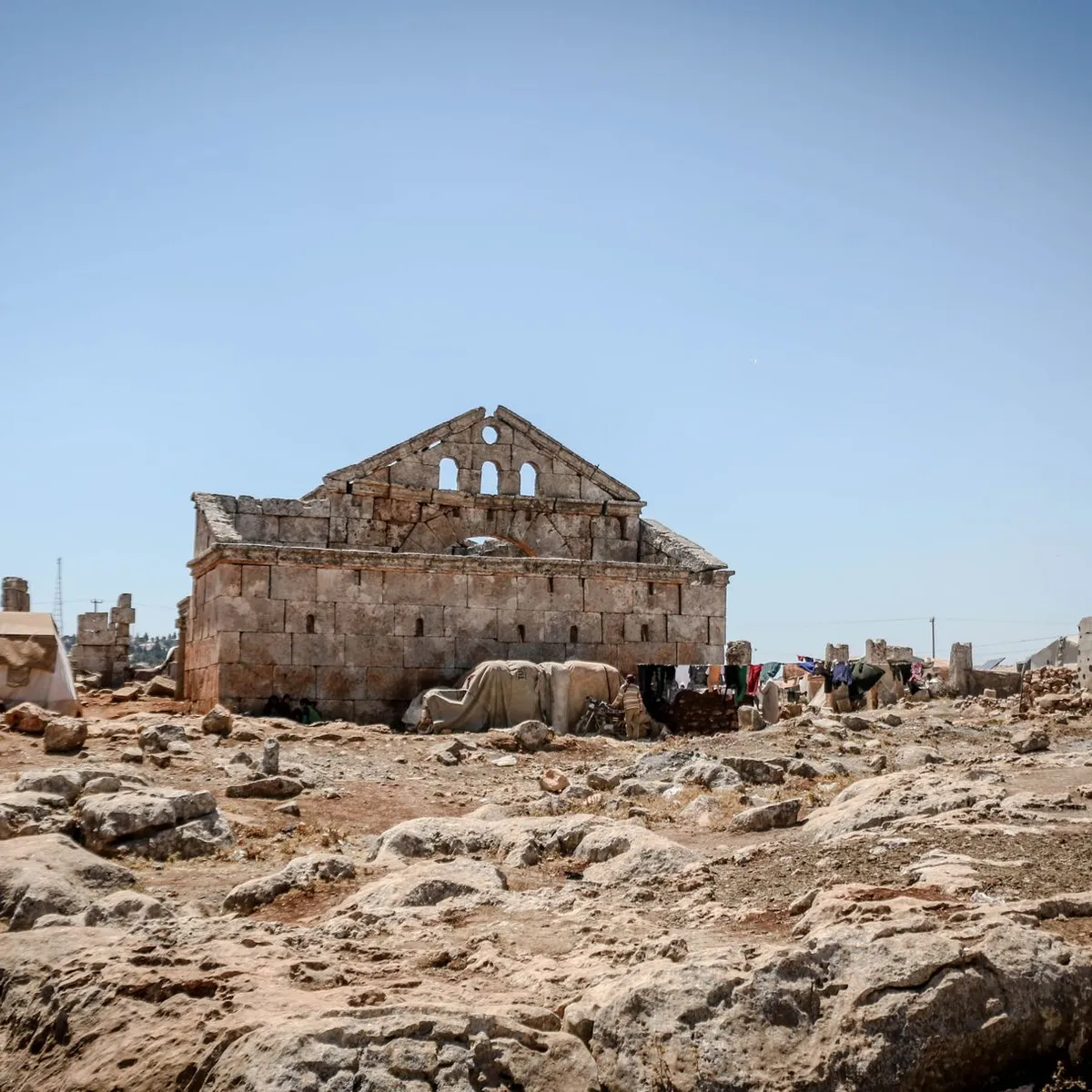
 Photo: Ahmed akacha / Pexels
Deir ez-Zor
Deir ez-Zor accessibility for wheelchair users
Compare Deir ez-Zor by accessibility, transport, terrain, healthcare, cost, weather, laws, reviews, and community notes.
Deir ez-Zor accessibility scores
Compare Deir ez-Zor by accessibility, transport, terrain, healthcare, cost, weather, and laws. General stats use public data and models. Community rows reflect member reviews and votes.
General stats
National benchmarks and estimates — your experience in this city may differ.
Community
Starts from our estimate — thumbs up nudge toward Excellent, down toward Poor. Reviews use 1–5 stars.
These figures combine public statistics, models, and live weather where available. Every city is different — treat this as a guide, and share what you know in the Reviews & Corrections tab.
Profile last updated 7/1/2026.
Deir ez-Zor wheelchair accessibility guide
Research Deir ez-Zor for wheelchair users and caregivers: getting around, terrain, healthcare, costs, climate, accessible things to do, and practical caveats before booking.
Last updated 7/1/2026At a glance
Deir ez-Zor is a Euphrates city with a difficult accessibility picture: mostly gentle terrain in the RollVenture sample, but very limited verified pavement data and a security environment that makes normal relocation planning unsafe. The DB cost model shows living costs from ~$3,305/mo, housing from ~$1,684/mo, transport from ~$245/mo, medical from ~$160/mo, and home-aid from ~$635/mo. Treat those numbers as planning placeholders only, because war damage, shortages, and access controls can change prices and availability quickly. This guide is best used for humanitarian, family, or essential-return planning, not leisure travel.
Getting around
Do not assume step-free public transport. The city is flat enough that short assisted trips may be possible by private vehicle, but curb cuts, sidewalks, road surfaces, fuel availability, and checkpoint delays need day-by-day confirmation. Wikivoyage lists bus and air access as travel topics for Deir ez-Zor, but government travel advisories for Syria remain severe, so any journey should be organized through trusted local contacts, medical providers, or humanitarian logistics rather than independent touring.
Terrain & mobility
OpenTopoData sampling shows gentle grades, with 100% flat samples and a max sampled grade around 1.1%. That is helpful for wheelchair pushing once a route is known. The problem is surface reliability: the OSM pavement profile has low confidence, only about 5% good tagged surfaces, and dominant surfaces include untagged, unpaved, asphalt, and paved. Expect broken edges, debris, missing ramps, and informal parking to matter more than hilliness.
Healthcare & care
OpenStreetMap lists Al Noor Hospital close to the centre, plus Deir ez-Zor National Hospital and a heart hospital farther out. These are leads, not guarantees. Call ahead through Arabic-speaking contacts to confirm whether the facility is operating, whether a wheelchair user can enter without stairs, whether imaging/pharmacy services are available, and whether private transfers are safer than ordinary taxis. Build in backup medication and evacuation planning.
Costs & housing
Use the DB estimate of from ~$3,305/mo as a rough ceiling-style planning number, not a promise. Accessible housing should be verified in person: ground-floor entry, generator or elevator reliability, bathroom doorway width, water storage, and proximity to a clinic matter more than neighborhood marketing. A small, known apartment with family support is preferable to a nominally cheaper unit that requires stairs.
Climate & comfort
The Euphrates valley climate is hot and dry, with summer heat that can make pressure-care routines, battery charging, and hydration difficult. Plan trips early in the day, keep shade and water available, and avoid long outdoor waits. Dust can affect respiratory conditions and mobility equipment.
Accessible things to do
Because current access and opening status are hard to verify, keep outings conservative and local:
- **Euphrates riverside/corniche areas** — potentially the easiest low-gradient outdoor route, but inspect surfaces and security first.
- **Deir ez-Zor Museum area** — a known cultural landmark; verify reopening status, entrance condition, and step-free access before visiting.
- **Central market streets** — useful for orientation and supplies with a helper, but crowds, curb height, and damaged pavement can be barriers.
Community & language
Arabic is essential for care coordination, transport, and housing checks. Family networks and local fixers are more useful than online booking platforms. Expect limited English in everyday services.
Would we recommend it?
Not for independent wheelchair travel or elective relocation right now. Consider Deir ez-Zor only for essential reasons with local support, confirmed medical access, and a realistic evacuation plan.
These figures combine public statistics, models, and live weather where available. Every city is different — treat this as a guide, and share what you know in the Reviews & Corrections tab.
Profile last updated 7/1/2026.
Reviews & corrections
Share your experience or suggest a data correction. Both appear publicly; admin updates official city scores and costs separately.
Log in to write a review or suggest a correction.
No reviews or corrections yet.