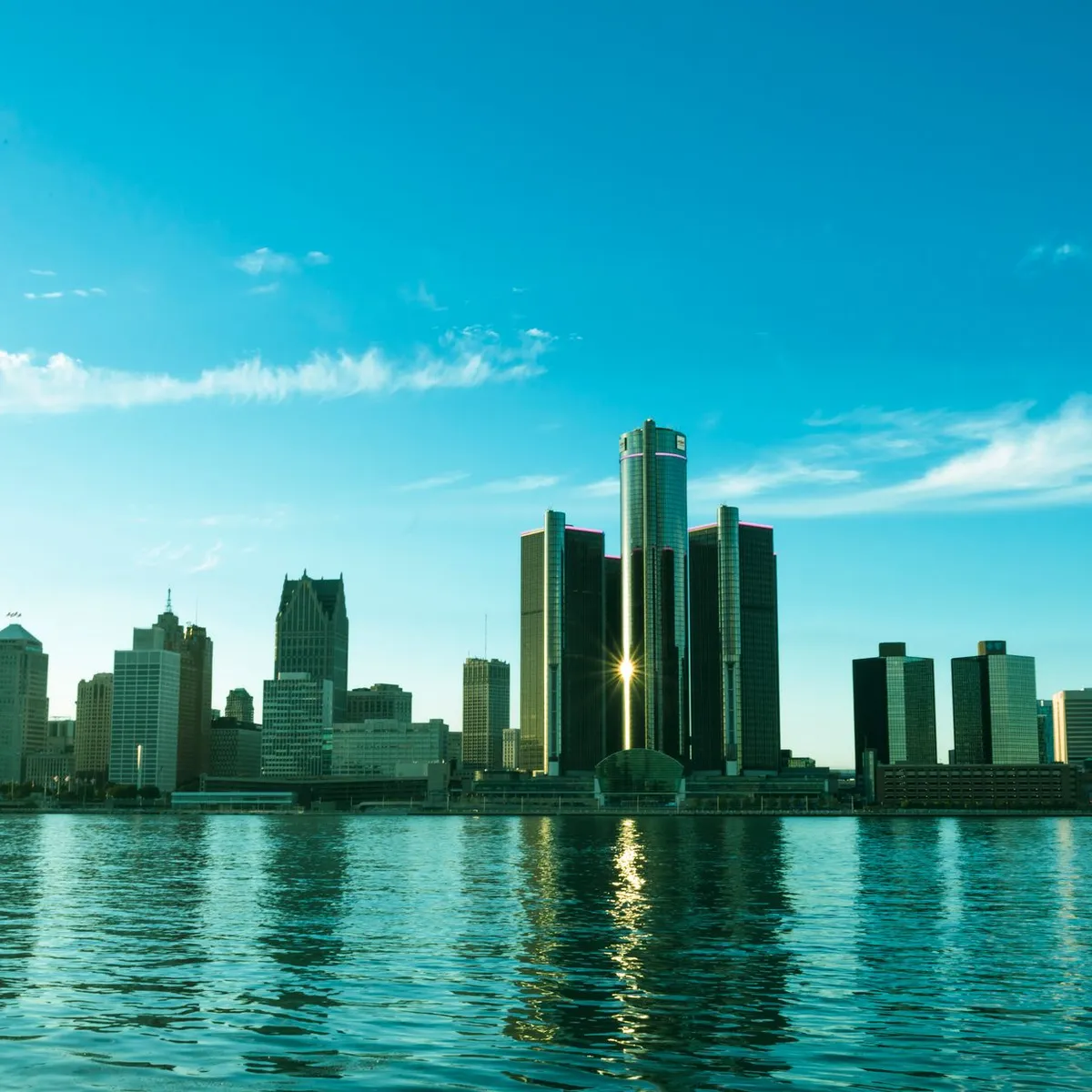
 Photo: @coldbeer / Pexels
Detroit
Detroit accessibility for wheelchair users
Compare Detroit by accessibility, transport, terrain, healthcare, cost, weather, laws, reviews, and community notes.
Detroit accessibility scores
Compare Detroit by accessibility, transport, terrain, healthcare, cost, weather, and laws. General stats use public data and models. Community rows reflect member reviews and votes.
General stats
National benchmarks and estimates — your experience in this city may differ.
Community
Starts from our estimate — thumbs up nudge toward Excellent, down toward Poor. Reviews use 1–5 stars.
These figures combine public statistics, models, and live weather where available. Every city is different — treat this as a guide, and share what you know in the Reviews & Corrections tab.
Profile last updated 6/30/2026.
Detroit wheelchair accessibility guide
Research Detroit for wheelchair users and caregivers: getting around, terrain, healthcare, costs, climate, accessible things to do, and practical caveats before booking.
Last updated 6/30/2026At a glance
Detroit is a mostly flat, car-forward city with strong cultural sites and uneven pedestrian infrastructure. For wheelchair users, the biggest advantage is terrain: the DB profile labels the city mostly flat, with a sampled max grade around 0.6%. The challenge is distance. Downtown, Midtown, the riverfront, and Dearborn attractions are spread out, so accessible rides, paratransit eligibility, or a roll-in vehicle plan matter more than in compact cities. The RollVenture cost model estimates living costs from ~$4,273/mo, including housing from ~$2,004/mo.
Getting around
DDOT buses and regional services are the public backbone, and Detroit has ADA paratransit options for eligible riders, but spontaneous travel can be slow. The People Mover can help within downtown when elevators are working, while rideshare WAV availability should be confirmed in advance rather than assumed. Sidewalk quality changes by block; in winter, snow clearance can make curb cuts and bus stops unreliable.
Terrain & mobility
The city is physically easy to roll in many central districts because grades are mild. The DB pavement profile is low-confidence, with only 13% good tagged surfaces, so treat surface quality as variable. Expect wide streets, long crossings, construction patches, missing curb-cut logic in some areas, and exposed winter wind. A power chair or scooter has range advantages, but downtown cultural clusters can also work with a manual chair and transport backup.
Healthcare & care
Detroit has major healthcare systems across the metro area, but the stored local healthcare profile is mostly OSM clinic leads rather than a complete care map. Henry Ford Medical Center - Harbortown appears as a central lead; verify clinic access, insurance, and appointment fit directly. For longer stays, identify hospital, wheelchair repair, and home-care agencies before choosing housing.
Costs & housing
Use the DB estimate from ~$4,273/mo as a conservative U.S. planning baseline. Housing from ~$2,004/mo can vary widely between downtown, Midtown, riverfront, and suburbs. Accessible units in newer apartment buildings are easier to verify than older houses; ask for step-free parking, snow removal, roll-in shower details, elevator reliability, and door widths.
Climate & comfort
Winters are the main access risk. Snow, slush, and freeze-thaw pavement damage affect sidewalks and curb ramps. Summers are warm and festival-heavy, which is better for outdoor rolling but can make downtown crowded.
Accessible things to do
The Henry Ford— official accessibility information covers limited mobility, sensory, vision, hearing, dementia, and service-animal needs; it is in Dearborn, so plan transport.
Detroit Institute of Arts— a major museum anchor in Midtown; verify current accessible entrances, elevators, and parking before visiting.
Detroit Riverfront— a strong outdoor roll when weather is good; check construction segments and restroom access.
Motown Museum— culturally important but building-access details should be verified directly before booking because historic structures can have route limits.
Community & language
English is the working language. Detroit has active disability, veteran, healthcare, and arts communities, but services are metro-spread. Local advice is valuable for safe blocks, winter routing, and transport reliability.
Would we recommend it?
Yes for culture, flat terrain, and U.S. healthcare access, if you have reliable transportation. It is less ideal if you depend entirely on spontaneous sidewalk-and-bus travel or are visiting during heavy winter weather.
These figures combine public statistics, models, and live weather where available. Every city is different — treat this as a guide, and share what you know in the Reviews & Corrections tab.
Profile last updated 6/30/2026.