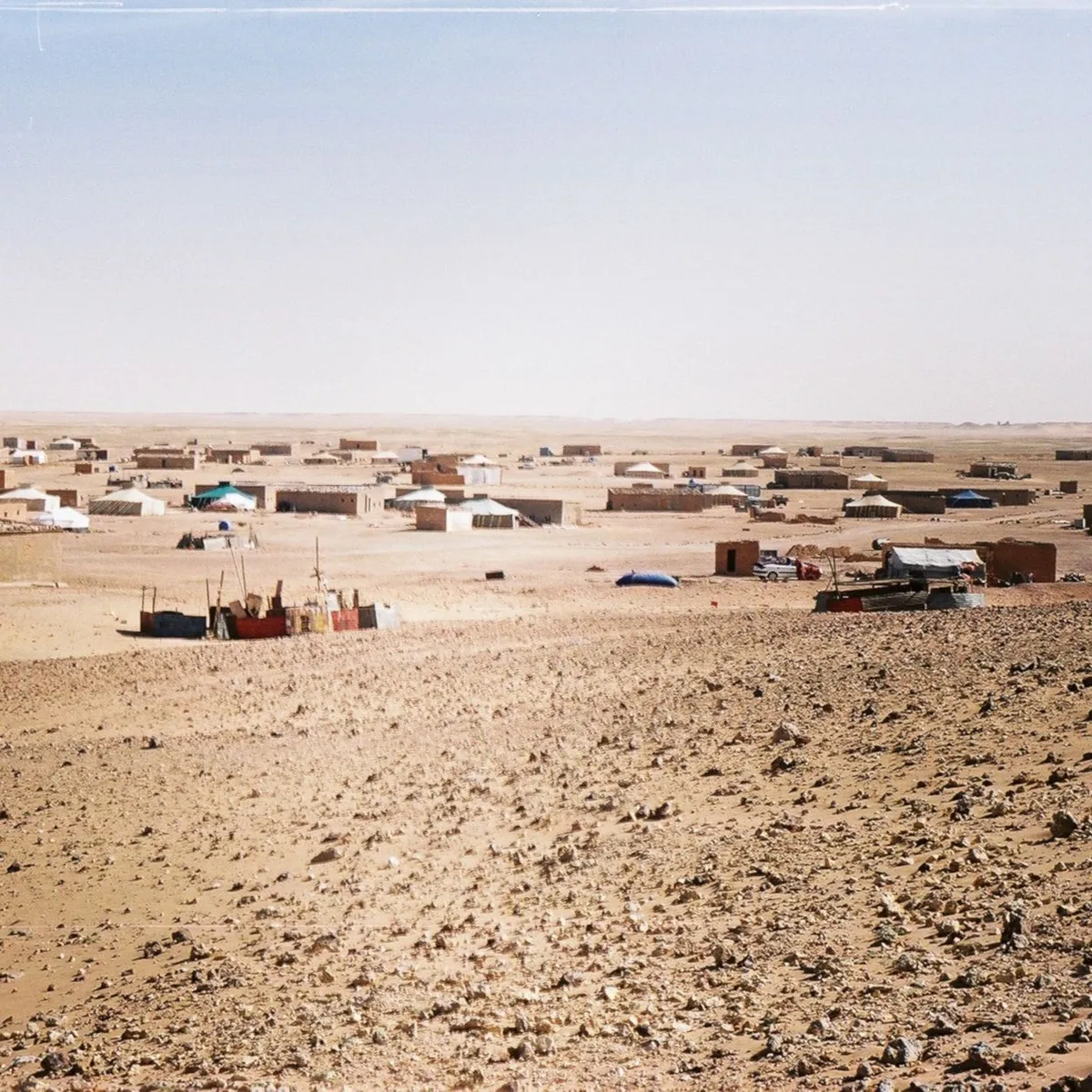
 Photo: Loïc Alejandro / Pexels
Djelfa
Djelfa accessibility for wheelchair users
Compare Djelfa by accessibility, transport, terrain, healthcare, cost, weather, laws, reviews, and community notes.
Djelfa accessibility scores
Compare Djelfa by accessibility, transport, terrain, healthcare, cost, weather, and laws. General stats use public data and models. Community rows reflect member reviews and votes.
General stats
National benchmarks and estimates — your experience in this city may differ.
Community
Starts from our estimate — thumbs up nudge toward Excellent, down toward Poor. Reviews use 1–5 stars.
These figures combine public statistics, models, and live weather where available. Every city is different — treat this as a guide, and share what you know in the Reviews & Corrections tab.
Profile last updated 7/2/2026.
Djelfa wheelchair accessibility guide
Research Djelfa for wheelchair users and caregivers: getting around, terrain, healthcare, costs, climate, accessible things to do, and practical caveats before booking.
Last updated 7/2/2026At a glance
Djelfa is an inland Algerian high-plateau city with Saharan Atlas landscapes nearby and a better terrain score than several neighboring rows, but accessibility remains uncertain. RollVenture's live row gives accessibility 40/100, wheelchair transport 45/100, and infrastructure 48/100. Terrain is labeled hilly, though the sampled central grid is comparatively flatter than Souk Ahras or Fès. The cost model is from ~$2,184/mo, with housing from ~$1,139/mo.
Getting around
Use taxis or a hired driver as the default. Step-free public transport evidence is not strong enough to rely on, and many worthwhile sights around Djelfa are outside the compact center. For wheelchair users, the practical setup is a folding chair, a driver who can wait, and a plan that limits transfers. Confirm in advance whether taxis can reach your hotel entrance and whether streets around the property are paved.
Terrain & mobility
The terrain sample reports 100% flat samples in the local grid but still labels the broader profile hilly, with average elevation around 1,191 m. Pavement confidence is high compared with other Algerian rows, with asphalt among dominant surfaces, yet curb ramps and sidewalk continuity are not guaranteed. Wind, dust, and sun exposure can be as important as slope.
Healthcare & care
Healthcare leads from OSM include حيسونة طب الأعصاب, مركز غسيل الكلى, مستشفى الجلفة, UMC (Urgences Médico-Chirurgicales), and Cabinet cardiologue Sejari. Treat them as planning leads only. Before arrival, verify emergency coverage, dialysis or specialist needs if relevant, pharmacy access, and whether clinics have ramps or lifts.
Costs & housing
Djelfa's modeled monthly cost is from ~$2,184/mo, with food around $308/mo and transport around $161/mo. The savings only matter if housing works. Ask for a ground-floor apartment or a working lift, step-free bathroom entry, shower chair compatibility, and photos of the street approach. A modern hotel with parking at the door may be more practical than a cheaper apartment in a rougher lane.
Climate & comfort
The high-plateau climate can bring hot sun, cold nights, and seasonal wind. Build in shade, water, and shorter outings. Wheelchair batteries and skin protection matter on long, exposed drives to landscape sites.
Accessible things to do
Rocher de Sel / Salt Rock area— a driver-based landscape stop often associated with Djelfa province; expect rough ground and enjoy it from firm pull-offs unless local access is confirmed.
Djelfa central market streets— useful for food, daily life, and short assisted rolls; choose wider, paved streets and avoid peak crowding.
Saharan Atlas viewpoints near Djelfa— scenic drives can be more accessible than walking trails; verify roadside stopping places and shade.
Local cafes and family restaurants— newer roadside places may be the most realistic step-light social activity; check entrance thresholds and toilet access before ordering.
Community & language
Arabic is essential, and French is useful for hotels, clinics, and transport negotiation. English should not be assumed. Written access requests in Arabic/French will make hotel and taxi checks easier.
Would we recommend it?
Only as a practical, driver-supported inland stop. Djelfa may be more manageable than hillier historic cities, but source depth and verified accessible attractions are limited, so conservative planning is mandatory.
These figures combine public statistics, models, and live weather where available. Every city is different — treat this as a guide, and share what you know in the Reviews & Corrections tab.
Profile last updated 7/2/2026.