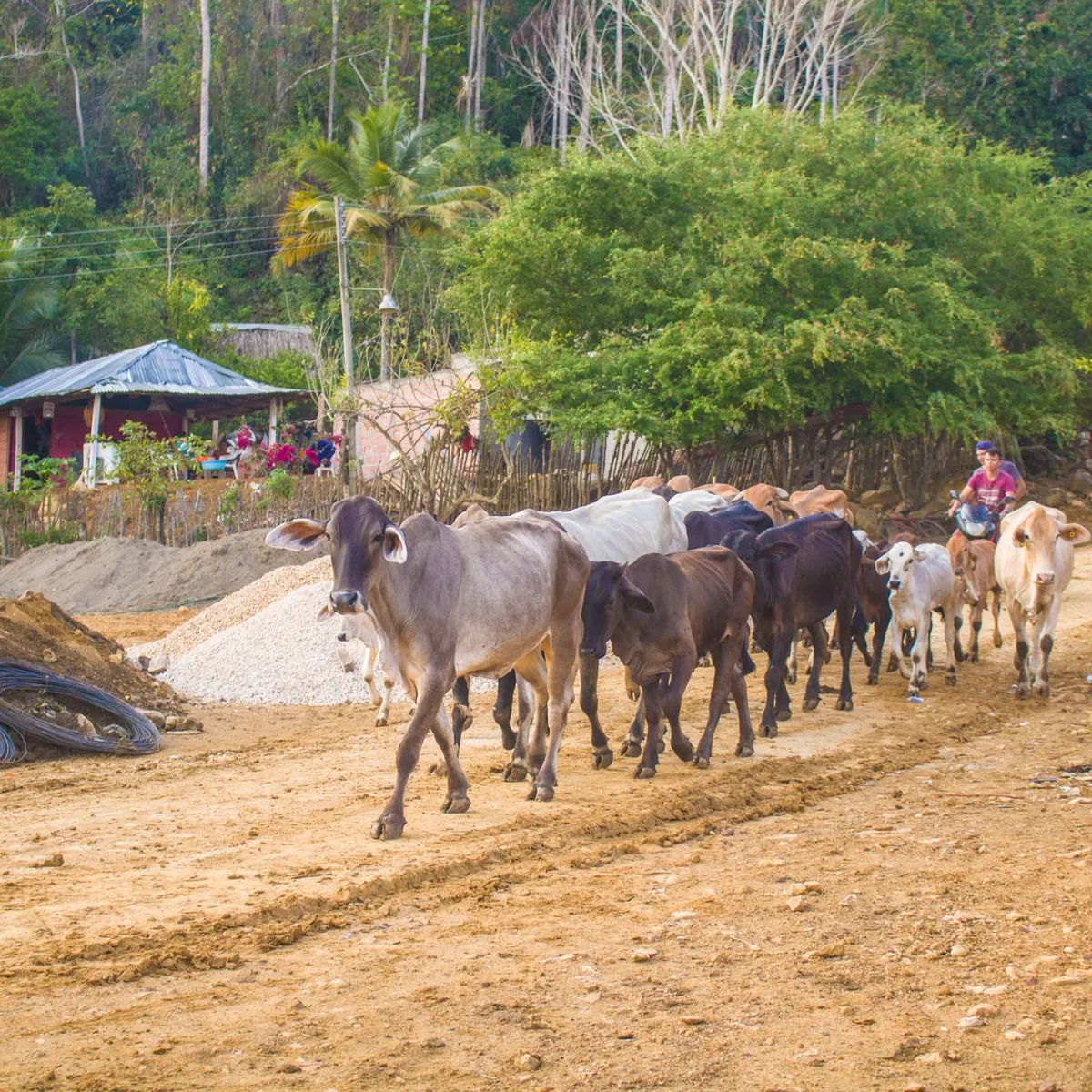
 Photo: Francisco Angulo Blanco / Pexels
El Progreso
El Progreso accessibility for wheelchair users
Compare El Progreso by accessibility, transport, terrain, healthcare, cost, weather, laws, reviews, and community notes.
El Progreso accessibility scores
Compare El Progreso by accessibility, transport, terrain, healthcare, cost, weather, and laws. General stats use public data and models. Community rows reflect member reviews and votes.
General stats
National benchmarks and estimates — your experience in this city may differ.
Community
Starts from our estimate — thumbs up nudge toward Excellent, down toward Poor. Reviews use 1–5 stars.
These figures combine public statistics, models, and live weather where available. Every city is different — treat this as a guide, and share what you know in the Reviews & Corrections tab.
Profile last updated 7/1/2026.
El Progreso wheelchair accessibility guide
Research El Progreso for wheelchair users and caregivers: getting around, terrain, healthcare, costs, climate, accessible things to do, and practical caveats before booking.
Last updated 7/1/2026At a glance
El Progreso is a crossroads city in Yoro, Honduras, known as a connection point between San Pedro Sula, Tela, La Ceiba, La Lima, and Tegucigalpa. The city is more practical as a transit or regional base than as a polished accessible destination. The profile estimates costs from ~$2,639/mo and housing from ~$1,356/mo. Accessibility concerns are significant: DB pavement data shows very little tagged good pavement, many unpaved or untagged surfaces, and the terrain profile is very hilly outside flatter corridors.
Getting around
Because El Progreso functions as a transport crossroads, intercity buses and road travel are common, but step-free boarding should not be assumed. Ramón Villeda Morales International Airport near San Pedro Sula is the likely arrival point west of the city. Wheelchair users should pre-arrange a private vehicle with room for mobility equipment, especially for airport transfers, mountain outings, or hospital visits.
Terrain & mobility
The city center may have some flatter commercial blocks, but the surrounding municipality includes hills and rural roads. The DB sample lists unpaved, untagged, asphalt, and concrete as dominant surfaces, with only 3% good pavement in the sample. Expect broken sidewalks, missing curb cuts, road-edge rolling, and rainy-season mud or flooding risks.
Healthcare & care
OpenStreetMap healthcare leads include Hospital El Progreso, Consultorio Médico Mediplas, Clínica Barrientos Maradiaga, Clínica y Materno Infantil La Berlín, and Centro de Salud. Verify emergency capability, ramps, imaging, specialist access, and whether San Pedro Sula would be needed for higher-acuity care. Keep a driver contact available during heavy rain.
Costs & housing
The modeled monthly cost is from ~$2,639/mo. Accessible rental screening should be strict: ask for step-free entry from parking, bathroom dimensions, water reliability, air conditioning, generator or outage plan, and whether streets flood. Budget for private transport rather than relying on informal routes.
Climate & comfort
The climate is humid and hot. Heat, rain, and storm-season flooding can quickly reduce mobility. Schedule outdoor errands early, protect batteries and cushions from rain, and avoid river or mountain routes during downpours.
Accessible things to do
Central Park and Cathedral area— Wikipedia’s image and description identify the cathedral at Central Park; verify curb cuts and step-free church access on arrival.
Mico Quemado mountain range— Listed as a main attraction east of the city and protected for ecological value. Treat it as a scenic drive/viewpoint plan, not a wheelchair-accessible trail.
Ulúa River viewpoints— The river is a major Honduran river running through the area. Visit only in dry, stable weather and use roadside viewpoints, not riverbank scrambling.
Megaplaza area— The city article describes a modern mall on the outskirts. Malls are often more promising for level floors, toilets, and food stops, but call ahead if access is critical.
Community & language
Spanish is essential. Local drivers and hotel staff are the best source for day-by-day road, flooding, and safety information. Use clear phrases like “entrada sin gradas,” “baño accesible,” and “rampa fija.”
Would we recommend it?
Only with support. El Progreso can work for a short, practical stay or road connection, but rough surfaces, heat, flooding risk, and uncertain venue access make it unsuitable for independent wheelchair travel without a private driver and local help.
These figures combine public statistics, models, and live weather where available. Every city is different — treat this as a guide, and share what you know in the Reviews & Corrections tab.
Profile last updated 7/1/2026.