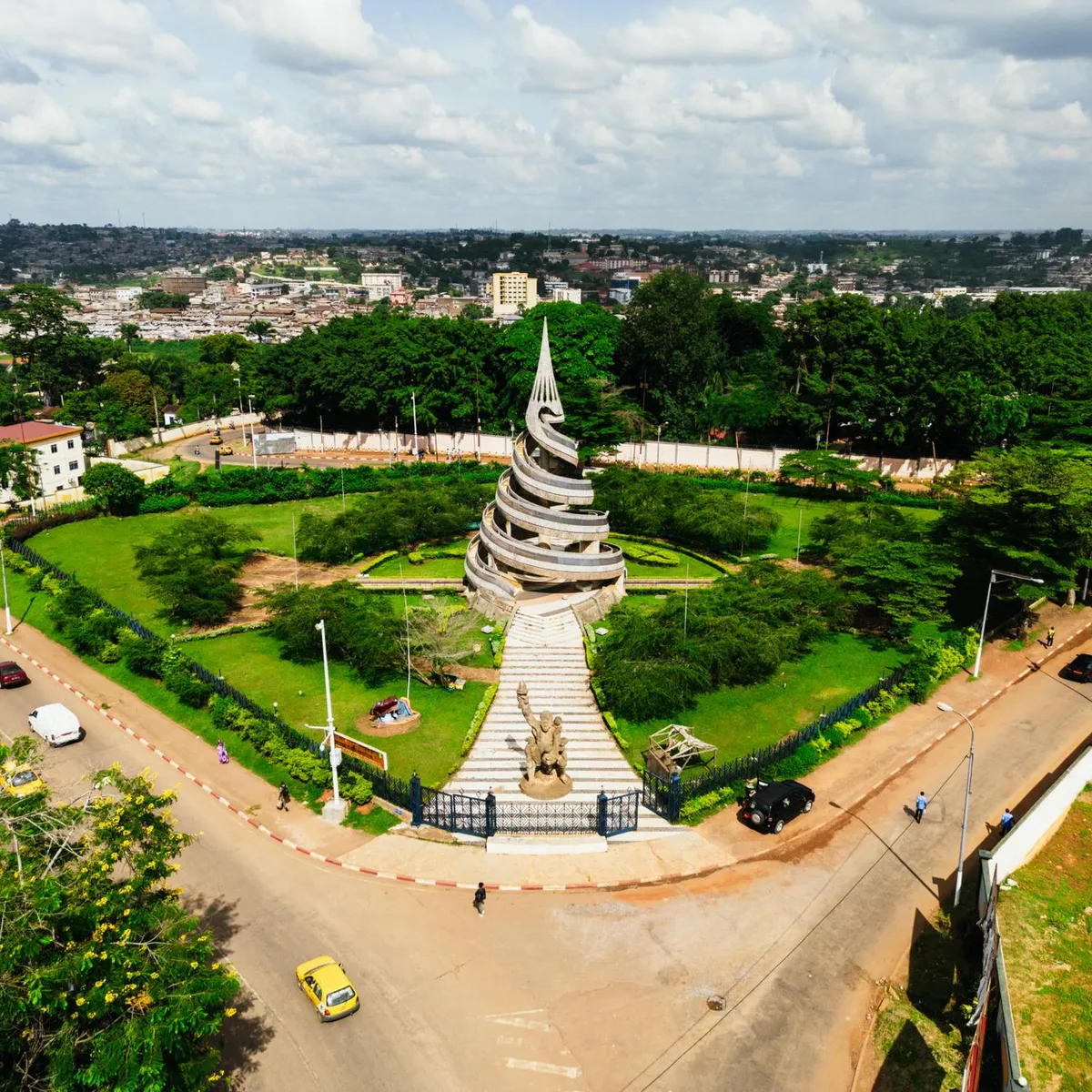
 Photo: K / Pexels
Garoua
Garoua accessibility for wheelchair users
Compare Garoua by accessibility, transport, terrain, healthcare, cost, weather, laws, reviews, and community notes.
Garoua accessibility scores
Compare Garoua by accessibility, transport, terrain, healthcare, cost, weather, and laws. General stats use public data and models. Community rows reflect member reviews and votes.
General stats
National benchmarks and estimates — your experience in this city may differ.
Community
Starts from our estimate — thumbs up nudge toward Excellent, down toward Poor. Reviews use 1–5 stars.
These figures combine public statistics, models, and live weather where available. Every city is different — treat this as a guide, and share what you know in the Reviews & Corrections tab.
Profile last updated 7/1/2026.
Garoua wheelchair accessibility guide
Research Garoua for wheelchair users and caregivers: getting around, terrain, healthcare, costs, climate, accessible things to do, and practical caveats before booking.
Last updated 7/1/2026At a glance
Garoua is the capital of Cameroon’s North Region, on the Benue River, and a gateway city for northern Cameroon travel. The database estimate is from ~$2,346/mo, with housing from ~$1,201/mo. It has recognizable transport and healthcare anchors, but the access score is low and the pavement profile is challenging, so wheelchair users should plan conservatively. It is most realistic for travelers who can pre-arrange French-speaking help, private transport, and heat-aware scheduling.
Getting around
Garoua is served by Garoua International Airport and sits on National Highway 1 between regional routes. Use pre-arranged cars or hotel transport. Public buses and shared taxis should not be assumed accessible, even where a bus network is discussed locally. Confirm airport assistance, luggage handling, vehicle clearance, and whether the driver can avoid sandy or broken streets. Keep plans compact; crossing town repeatedly in heat will be draining.
Terrain & mobility
The terrain profile is hilly, with sampled elevation range around 178 m. The bigger issue is surfaces: OSM sampling had high confidence and flagged sand, unpaved, asphalt, and many poor segments. That combination can be tiring for manual wheelchair users and risky after rain or dust build-up. Keep routes short and prioritize paved drop-off points. If you use a power chair or scooter, ask about charging and safe storage before booking lodging.
Healthcare & care
OSM healthcare leads include Hôpital Régional de Garoua, Hôpital de la CNPS, Hôpital de la Caisse, and police/CNPS medical facilities near the centre. Treat these as healthcare leads, not accessibility guarantees. Before staying, verify emergency intake, ramps, imaging/lab availability, pharmacy access, and whether a private nurse or aide can be arranged. Bring essential supplies from Douala, Yaoundé, or your previous stop when possible.
Costs & housing
Use from ~$2,346/mo as the baseline. Housing from ~$1,201/mo suggests that a comfortable accessible stay may not be cheap, especially if you need air conditioning, backup power, and private transport. Ask for photos of the entrance, bathroom, generator, road surface, and distance from room to vehicle.
Climate & comfort
Garoua has a hot tropical savanna climate, with very hot pre-rainy-season months and a distinct wet season. Heat management is a core access issue: plan mid-day rest, hydration, shade, and battery protection. Dust in the dry season and mud in the wet season can both reduce mobility.
Accessible things to do
Benue River orientation route— useful for understanding the city; treat it as a car-based route unless a specific promenade is verified.
Central Market area— a major local anchor; go early, with assistance, and avoid crowded inner lanes if using a chair.
Garoua International Airport area— practical for arrival logistics and nearby hotels; verify ramps and vehicle access.
Gateway to Benoue National Park— only for travelers who can arrange an accessible vehicle and lodge confirmation; do not assume trails are wheelchair-ready.
Community & language
French is essential, and Fulfulde/Fulani culture is important locally. Hotels and clinics may have limited English. A French-speaking fixer can help with transport, medical calls, and access checks.
Would we recommend it?
Only with preparation. Garoua has real regional importance and useful healthcare leads, but heat, sand, hilly sections, and sparse accessibility data make it a supported-trip destination.
These figures combine public statistics, models, and live weather where available. Every city is different — treat this as a guide, and share what you know in the Reviews & Corrections tab.
Profile last updated 7/1/2026.