 Photo: Omar Aboud / Pexels
Gelsenkirchen
Gelsenkirchen accessibility for wheelchair users
Compare Gelsenkirchen by accessibility, transport, terrain, healthcare, cost, weather, laws, reviews, and community notes.
Gelsenkirchen accessibility scores
Compare Gelsenkirchen by accessibility, transport, terrain, healthcare, cost, weather, and laws. General stats use public data and models. Community rows reflect member reviews and votes.
General stats
National benchmarks and estimates — your experience in this city may differ.
Community
Starts from our estimate — thumbs up nudge toward Excellent, down toward Poor. Reviews use 1–5 stars.
These figures combine public statistics, models, and live weather where available. Every city is different — treat this as a guide, and share what you know in the Reviews & Corrections tab.
Profile last updated 6/30/2026.
Gelsenkirchen wheelchair accessibility guide
Research Gelsenkirchen for wheelchair users and caregivers: getting around, terrain, healthcare, costs, climate, accessible things to do, and practical caveats before booking.
Last updated 6/30/2026At a glance
Gelsenkirchen is a practical Ruhr city rather than a polished old-town base. For wheelchair users, its strongest points are relatively flat terrain, a dense regional rail/tram/bus network, and several large modern attractions that are easier to plan than narrow historic cores. RollVenture's live row scores it 74 overall, with a monthly living cost from ~$3,502/mo and housing from ~$1,609/mo. The city is not cheap, but it is usually less expensive than Düsseldorf, Cologne, Munich, or Hamburg.
Getting around
Use the VRR network for regional trains, trams, buses, and connections toward Essen, Bochum and Dortmund. VRR publishes barrier-free travel information, but the key practical step is checking elevator status and exact stop layouts before committing to a route. Gelsenkirchen Hauptbahnhof and larger tram stops are usually more predictable than smaller stops. Taxis and ride-hail should be pre-booked if you need a ramp vehicle.
Terrain & mobility
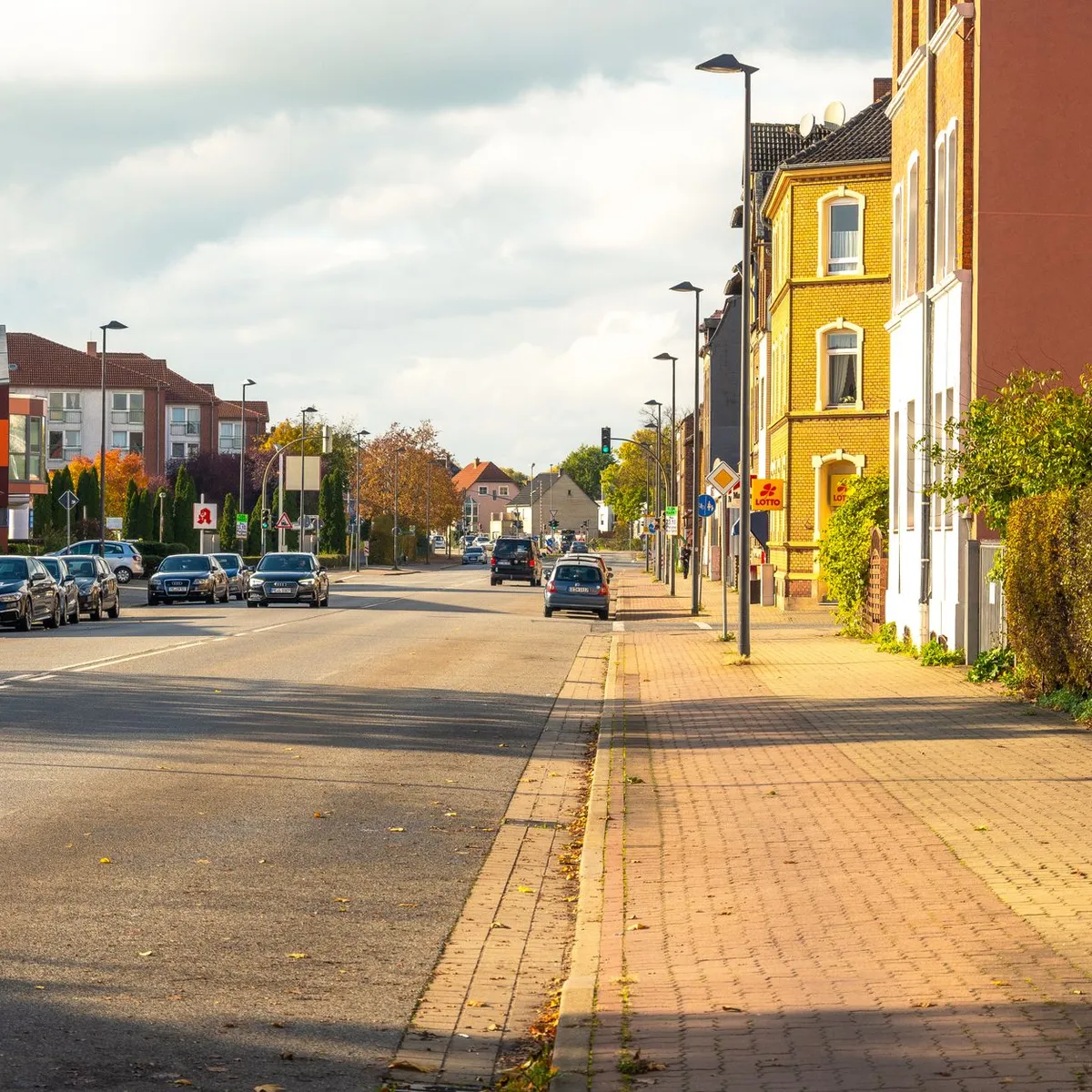
The stored terrain profile is gently rolling, with a low sampled maximum grade around 1.6% and high-confidence OSM pavement data: 68% good surfaces, 3% poor, and common asphalt or paving-stone paths. That is a good baseline for Germany, though older Ruhr sidewalks can still have construction, narrow curb cuts, tram tracks, or uneven paving stones. Plan conservative transfer times around Schalke, Buer and park areas.
Healthcare & care
The healthcare profile lists OSM leads including St. Anna-Hospital with emergency tagging, medicos.Auf Schalke, Elisabeth-Krankenhaus and other clinics in the wider city area. Treat these as leads, not guarantees: confirm step-free entrances, appointment language, insurance/payment rules and accessible taxi drop-off before relying on them. Germany has strong specialist care, but home-aid and personal-care setup can take paperwork and lead time.
Costs & housing
Use the DB costs as rough planning numbers: total living from ~$3,502/mo, housing from ~$1,609/mo, transport from ~$293/mo and medical from ~$147/mo. Accessible housing is the hard part. Look for elevator buildings, level-entry showers, wide doorways and reliable heating; do not assume a renovated flat is wheelchair-ready. Compared with Germany's larger tourist cities, Gelsenkirchen may offer better apartment value.
Climate & comfort
Expect a temperate Ruhr climate: cool damp winters, mild shoulder seasons and occasional hot summer spells. Rain and leaf litter matter more than snow most years. Air quality can vary across the industrial Ruhr, so sensitive travelers should watch local AQI and avoid long outdoor transfers on poor-air days.
Accessible things to do
ZOOM Erlebniswelt— The official site has accessibility information and visitor-facility pages; it is the clearest large-day-out anchor in Gelsenkirchen. Confirm wheelchair rental, route closures and restroom locations before going.
Nordsternpark— A former industrial site turned park and canal-side outing. It is a better wheelchair bet than steep historic lanes, but surfaces and bridge approaches should still be checked on the day.
Veltins-Arena / Schalke area— A modern stadium district with transit access and event infrastructure. For matches or concerts, book wheelchair spaces directly and confirm lift, companion-ticket and drop-off rules.
Musiktheater im Revier— A central performing-arts option; contact the box office for wheelchair seats, companion arrangements and accessible toilets.
Community & language
German is the default for housing, clinics and bureaucracy. English is often usable in tourism and some medical settings, but you should keep translated access notes ready. The Ruhr is diverse and direct; local disabled-person organizations may be more useful than tourist offices for long stays.
Would we recommend it?
Yes for wheelchair users who want a lower-profile, well-connected Ruhr base and are comfortable planning transit details. It is not the prettiest city and accessibility is uneven block by block, but the flat terrain and regional network make it workable with verification.
These figures combine public statistics, models, and live weather where available. Every city is different — treat this as a guide, and share what you know in the Reviews & Corrections tab.
Profile last updated 6/30/2026.