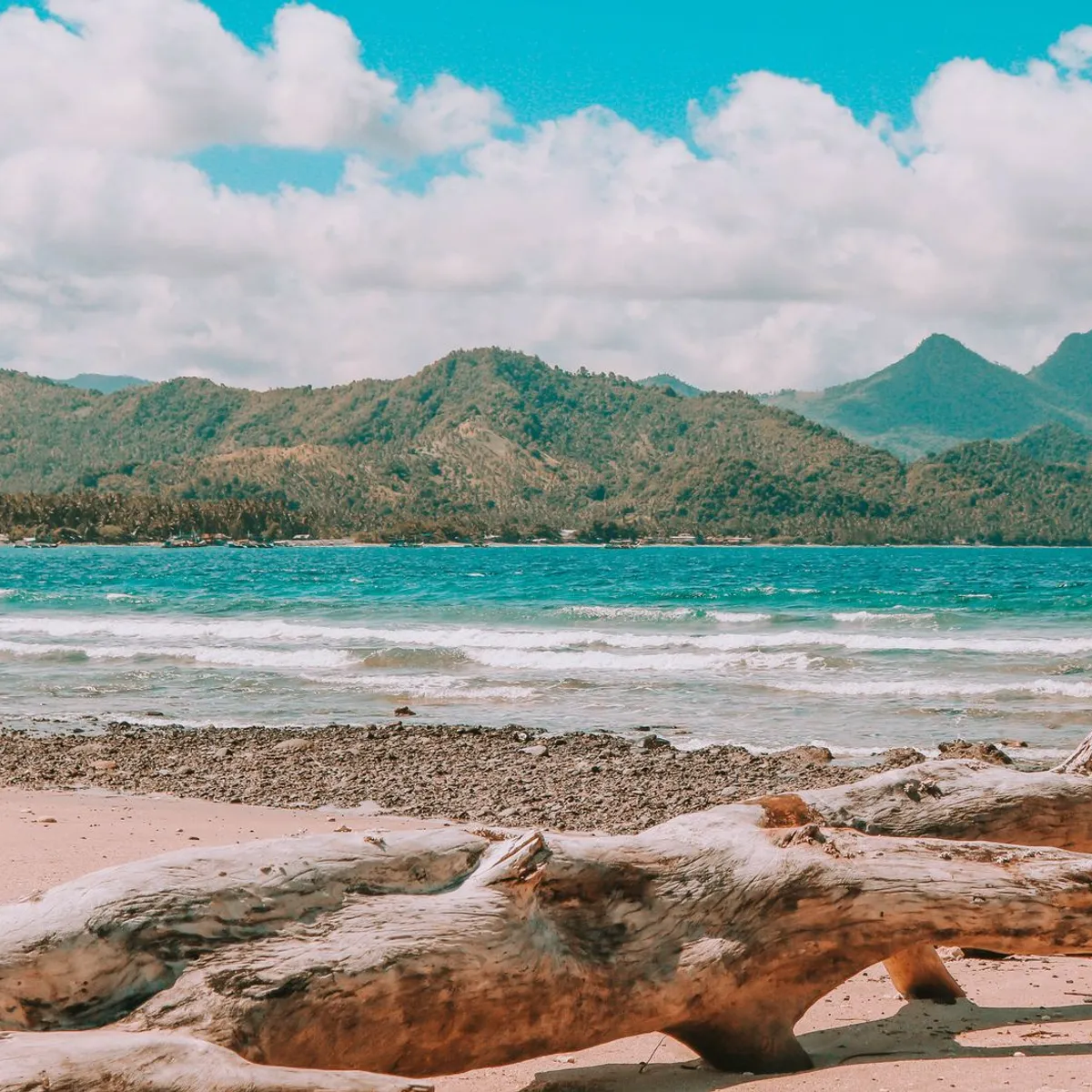
 Photo: Myian Prieto / Pexels
General Santos
General Santos accessibility for wheelchair users
Compare General Santos by accessibility, transport, terrain, healthcare, cost, weather, laws, reviews, and community notes.
General Santos accessibility scores
Compare General Santos by accessibility, transport, terrain, healthcare, cost, weather, and laws. General stats use public data and models. Community rows reflect member reviews and votes.
General stats
National benchmarks and estimates — your experience in this city may differ.
Community
Starts from our estimate — thumbs up nudge toward Excellent, down toward Poor. Reviews use 1–5 stars.
These figures combine public statistics, models, and live weather where available. Every city is different — treat this as a guide, and share what you know in the Reviews & Corrections tab.
Profile last updated 7/1/2026.
General Santos wheelchair accessibility guide
Research General Santos for wheelchair users and caregivers: getting around, terrain, healthcare, costs, climate, accessible things to do, and practical caveats before booking.
Last updated 7/1/2026At a glance
General Santos is a warm, spread-out Mindanao city best treated as a low-cost base with useful services rather than an easy roll-anywhere destination. The live profile is mixed: friendly and affordable, from ~$2,186/mo, but with low ramp availability, only medium pavement confidence, and many untagged or unpaved ways in the OSM sample. Expect car-first travel, heat management, and repeated access checks.
Getting around
Plan around private car, hotel-arranged van, taxis, or app-based rides where available. Public transport is dominated by jeepneys, tricycles, and multicabs, which are rarely step-free and may not suit a wheelchair without transfers. The airport is outside the center, so book an accessible-enough vehicle before arrival and ask hotels about lift access and drop-off space.
Terrain & mobility
The terrain sample labels the area hilly, with an average elevation around 103 m and a maximum sampled grade near 4.4%. Central blocks can feel manageable, but pavement quality is the bigger issue: the city profile shows only 7% good tagged surfaces and dominant untagged, unpaved, concrete, and ground surfaces. Wheelchair users should expect broken shoulders, curb gaps, drainage channels, and dusty or wet-season roughness.
Healthcare & care
OpenStreetMap lists several central facilities, including Peuriculture Hospital, WEST RHU, Auguis Clinic & Hospital, R. O. Diagan Community Hospital, and Saint Elizabeth Hospital, the last tagged with emergency service. Treat these as leads, not guarantees: call ahead about wheelchair entry, imaging/lab availability, English-speaking staff, and payment. Budgeted care costs are relatively low in the DB profile, but specialist continuity and equipment repair may require planning.
Costs & housing
The database estimate is from ~$2,186/mo, including about $989 for housing, $348 food, and $182 transport. Accessible housing is likely the hard part: prioritize newer condos or serviced apartments with elevators, generator backup, bathroom photos, no-threshold showers, and wide bedroom approaches. Ask for a video walkthrough from street drop-off to bed and bathroom before committing.
Climate & comfort
General Santos is hot and humid, with strong sun, rainy-season downpours, and limited shaded pedestrian routes. Choose accommodation near errands, schedule outdoor movement early, and keep backup transport for storms. Air-conditioning reliability and elevator backup matter more here than scenic walkability.
Accessible things to do
SM City General Santos— Official SM Supermalls information confirms the mall location and hours; modern mall layouts are usually the safest low-friction option, but verify elevators, restrooms, and drop-off before relying on it.
Plaza Heneral Santos— The civic plaza is a central outdoor orientation point; use it as a short, assisted roll rather than a guaranteed barrier-free park, because curb and paving conditions can vary.
General Santos Fish Port / tuna-market area— The city is strongly associated with tuna and port activity. Visit only with a local driver or guide, and confirm visitor access, ramps, and safe rolling surfaces in advance.
Sarangani Bay day trip— Coastal excursions can be rewarding, but beach access is usually the barrier. Ask operators about step-free transfers, shaded waiting areas, and whether staff can support a wheelchair user without unsafe lifting.
Community & language
English is widely used in the Philippines, especially in service settings, and local hospitality is a plus. Still, disability access is inconsistently enforced, so direct questions and photos are essential. A local fixer, hotel concierge, or clinic contact can save time.
Would we recommend it?
Yes, with caution, for budget-minded travelers who can use private transport and tolerate uneven infrastructure. It is not a strong first-choice city for independent wheelchair rolling, but it can work with careful hotel screening, planned transfers, and conservative expectations.
These figures combine public statistics, models, and live weather where available. Every city is different — treat this as a guide, and share what you know in the Reviews & Corrections tab.
Profile last updated 7/1/2026.