 Photo: János Csatlós / Pexels
Gent
Gent accessibility for wheelchair users
Compare Gent by accessibility, transport, terrain, healthcare, cost, weather, laws, reviews, and community notes.
Gent accessibility scores
Compare Gent by accessibility, transport, terrain, healthcare, cost, weather, and laws. General stats use public data and models. Community rows reflect member reviews and votes.
General stats
National benchmarks and estimates — your experience in this city may differ.
Community
Starts from our estimate — thumbs up nudge toward Excellent, down toward Poor. Reviews use 1–5 stars.
These figures combine public statistics, models, and live weather where available. Every city is different — treat this as a guide, and share what you know in the Reviews & Corrections tab.
Profile last updated 6/30/2026.
Gent wheelchair accessibility guide
Research Gent for wheelchair users and caregivers: getting around, terrain, healthcare, costs, climate, accessible things to do, and practical caveats before booking.
Last updated 6/30/2026At a glance
Gent is one of the stronger empty-row candidates for a wheelchair-user city guide because the live row shows a mostly flat terrain profile, high-confidence pavement data, and nearby hospital leads. Treat it as a good planning base rather than a guaranteed barrier-free city: the historic centre has stone surfaces, bridge approaches, tram tracks, busy cycle traffic, and older buildings where access can change by entrance. The DB cost model puts living costs from ~$3,909/mo, with housing from ~$2,017/mo and home-aid cost from ~$784/mo.
Getting around
De Lijn publishes an accessibility page for buses and trams, including accessible stops, accessible vehicles, planning an accessible ride, and accessible flexride booking notes. For a wheelchair user, the practical workflow is to plan stop-by-stop, check the specific stop and vehicle, and keep extra time for detours around canal works or crowded platforms. Rail arrivals should be checked separately with Belgian rail assistance before relying on a connection.
Terrain & mobility
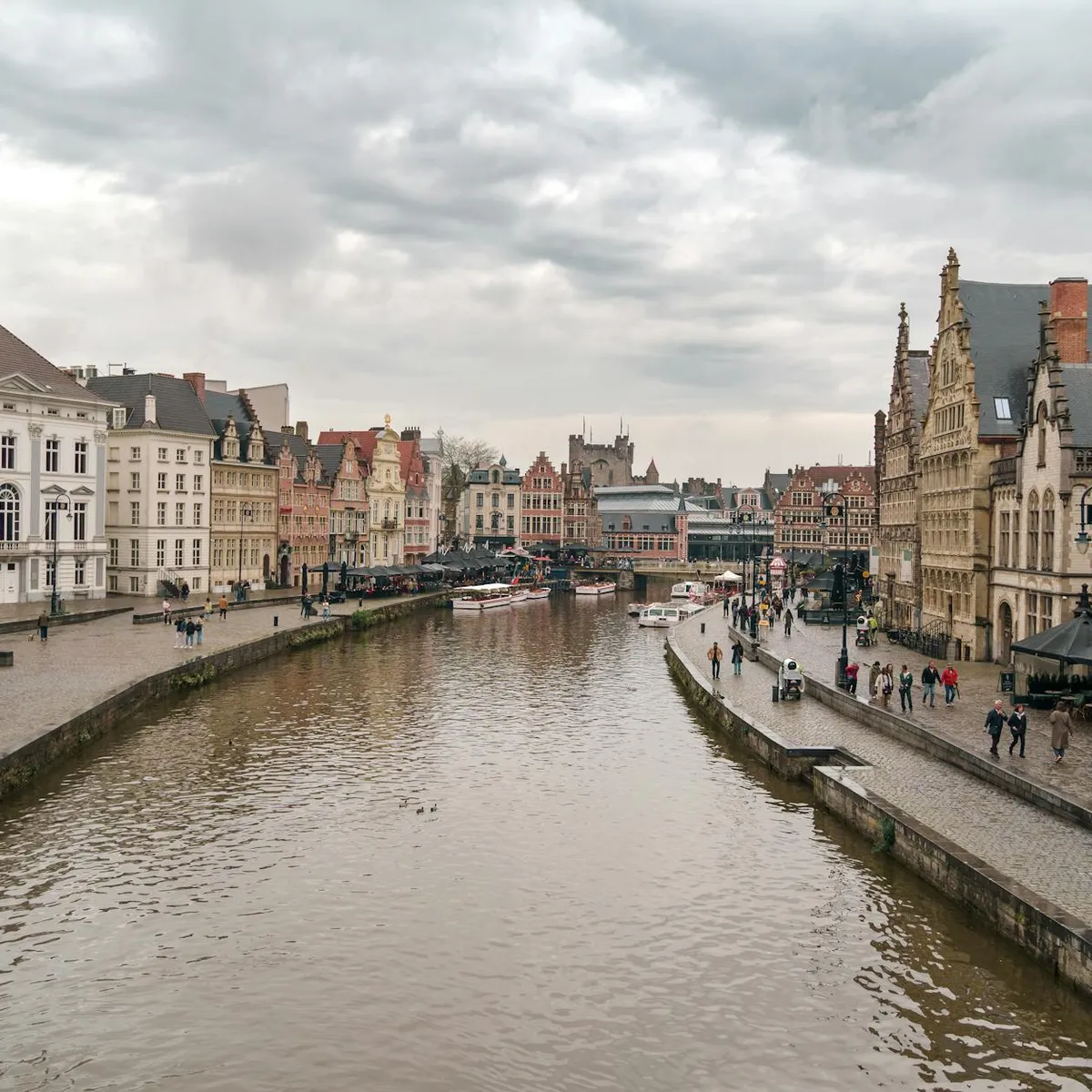
The stored terrain sample is encouraging: mostly flat, average elevation about 9 m, and a very low sampled max grade. Pavement is more mixed. OSM sampling is high confidence with asphalt, paving stones, and setts; that matches the real feel of a medieval centre where short distances can still be tiring because of vibration and curb transitions.
Healthcare & care
OSM lists AZ Jan Palfijn site Watersportbaan, A.Z. Sint-Lucas campus Sint-Lucas, and AZ Maria Middelares as nearby hospital or emergency leads. Use them as starting points only: confirm specialties, English intake, emergency routing, accessible drop-off, and whether personal-care support can be arranged before a longer stay.
Costs & housing
Budget from the database estimate of from ~$3,909/mo. Housing is the largest component, and accessible housing should be inspected by video for lift size, bathroom turning radius, threshold height, street gradient, and tram-noise/cobble vibration. Newer apartments outside the oldest core may be easier than character buildings near the canals.
Climate & comfort
Gent has a mild, damp North Sea climate. Rain makes setts and metal edges slick, so gloves, weatherproof lap covers, and a backup taxi plan matter. Summer is comfortable but tourist crowding can narrow already uneven routes.
Accessible things to do
MSK Gent— The museum’s own visit page was reachable during research; verify current lift, toilet, and entrance details before visiting, but it is a stronger indoor anchor than many historic buildings.
STAM Ghent City Museum— Official Visit Gent/STAM pages were slow during the check, so treat this as a likely planning lead and confirm access directly before relying on it.
De Krook library and riverside area— A modern public building and flatter riverside approaches make this a useful low-risk rest stop candidate; confirm opening hours and lift status.
Graslei and Korenlei— The canalfront is central and scenic, but expect stone surfaces, crowds, and limited step-free shortcuts. Use it as a short roll-by route, not an all-day access guarantee.
Community & language
Dutch is the main language, with strong English coverage in tourism, universities, and healthcare front desks. Disability rights are strong at the country level, but day-to-day access still depends on the individual stop, venue, and building age.
Would we recommend it?
Yes, with planning. Gent’s flatness, transport information, and healthcare depth make it promising, but the historic surface mix means it suits wheelchair users who can tolerate vibration or who plan precise, shorter routes.
These figures combine public statistics, models, and live weather where available. Every city is different — treat this as a guide, and share what you know in the Reviews & Corrections tab.
Profile last updated 6/30/2026.