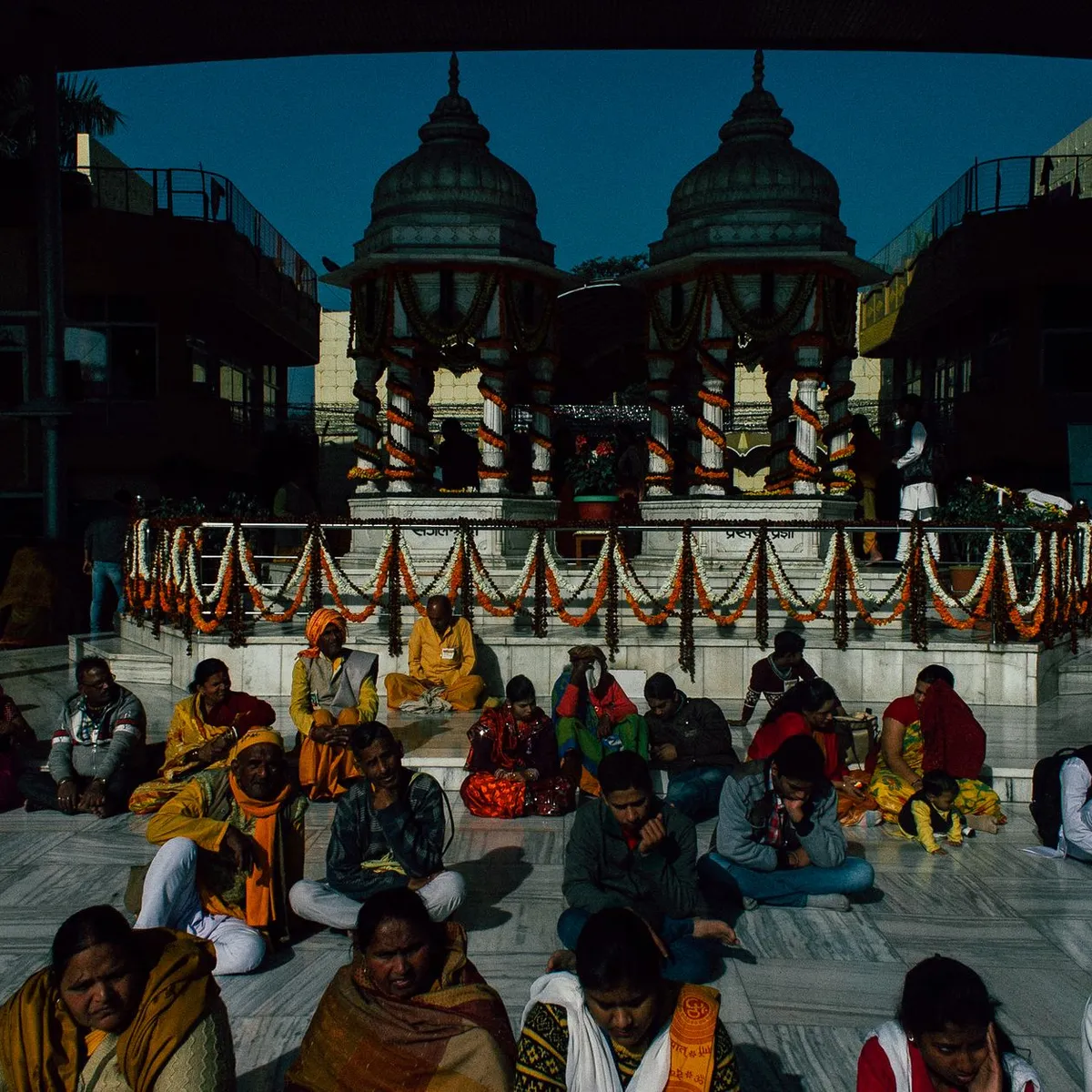
 Photo: Plato Terentev / Pexels
Gorakhpur
Gorakhpur accessibility for wheelchair users
Compare Gorakhpur by accessibility, transport, terrain, healthcare, cost, weather, laws, reviews, and community notes.
Gorakhpur accessibility scores
Compare Gorakhpur by accessibility, transport, terrain, healthcare, cost, weather, and laws. General stats use public data and models. Community rows reflect member reviews and votes.
General stats
National benchmarks and estimates — your experience in this city may differ.
Community
Starts from our estimate — thumbs up nudge toward Excellent, down toward Poor. Reviews use 1–5 stars.
These figures combine public statistics, models, and live weather where available. Every city is different — treat this as a guide, and share what you know in the Reviews & Corrections tab.
Profile last updated 7/1/2026.
Gorakhpur wheelchair accessibility guide
Research Gorakhpur for wheelchair users and caregivers: getting around, terrain, healthcare, costs, climate, accessible things to do, and practical caveats before booking.
Last updated 7/1/2026At a glance
Gorakhpur is a low-cost city in eastern Uttar Pradesh with a major railway role, a growing medical base, and a mostly flat urban setting. RollVenture’s live row scores it at 53 overall with low accessibility (32), strong cost value, and estimated living costs from ~$1,445/mo including housing from ~$596/mo. Treat the flat-terrain signal as helpful but not sufficient: sidewalks, curb cuts, dropped kerbs, and step-free shop entries remain inconsistent, and the local DB healthcare profile appears to point toward Hisar rather than Gorakhpur. For this guide, healthcare references are therefore limited to verified Gorakhpur institutions such as AIIMS Gorakhpur and long-running local government or medical-college facilities, not the corrupted profile.
Getting around
Gorakhpur Junction is the practical anchor for intercity rail, and the city is also served by an airport. For wheelchair users, plan assistance at least a day ahead where possible, arrive early at rail platforms, and assume that station lifts, ramps, and accessible toilets need live confirmation. Within the city, app taxis or pre-arranged cars are usually more predictable than buses or autos. Keep trips short, especially around markets and temple approaches where crowding can block curb ramps.
Terrain & mobility
The terrain model is favorable: mostly flat, very small sampled grade, and high pavement score. That does not mean smooth rolling everywhere. Expect broken edges, parked vehicles, open drains, and uneven transitions from road to shopfront. Ramgarh Tal and newer roads may feel easier than dense bazaar lanes. A manual chair user should budget extra time and bring a companion for older streets, railway approaches, and festival days.
Healthcare & care
AIIMS Gorakhpur gives the city a stronger tertiary-care anchor than many similar-cost Indian cities. Baba Raghav Das Medical College and district hospitals are additional local reference points, but emergency intake, accessible toilets, ramps, and wheelchair availability should be confirmed directly before relying on them. For ongoing care, set up a local physician, pharmacy delivery, and backup transport in the first week; do not assume home nursing or physiotherapy providers will have accessible vehicles.
Costs & housing
Costs are the main advantage. The row estimates monthly living from ~$1,445/mo, with food and transport comparatively low. The housing figure is only a model estimate, so inspect buildings in person or by video: ask for lift dimensions, generator backup, bathroom door width, shower threshold, road flooding, and whether the entrance has a removable ramp.
Climate & comfort
Summers are hot and humid; monsoon waterlogging can make otherwise flat streets difficult. Winter is milder but can bring fog that slows transport. Air quality and traffic dust are practical comfort issues near arterial roads. Prioritize housing with reliable cooling, backup power, shaded access, and a clinic/pharmacy nearby.
Accessible things to do
Gorakhnath Temple— A major city landmark with large open precincts, but confirm step-free entry points and crowd conditions before visiting.
Ramgarh Tal lakefront— A better candidate for a slower roll or assisted outing than narrow market streets; verify current promenade surfaces and toilet access.
Rail Museum / railway heritage area— Useful for a short, central visit if gates and paths are open; call ahead for ramp and restroom details.
Kushmi Forest / Vinod Van area— Consider only with a vehicle and assistance, as natural paths and toilets may not suit independent wheelchair use.
Community & language
Hindi is dominant, with English more common in hospitals, hotels, and education settings. A local fixer or bilingual caregiver is valuable for appointments, rentals, and government paperwork. Community warmth is a plus, but disability-specific infrastructure is still thin.
Would we recommend it?
Recommended only for budget-focused users who can arrange local help. Gorakhpur’s flatness and healthcare growth are positives, but low accessibility scoring and inconsistent pedestrian infrastructure make it a planning-heavy choice rather than an easy independent base.
These figures combine public statistics, models, and live weather where available. Every city is different — treat this as a guide, and share what you know in the Reviews & Corrections tab.
Profile last updated 7/1/2026.