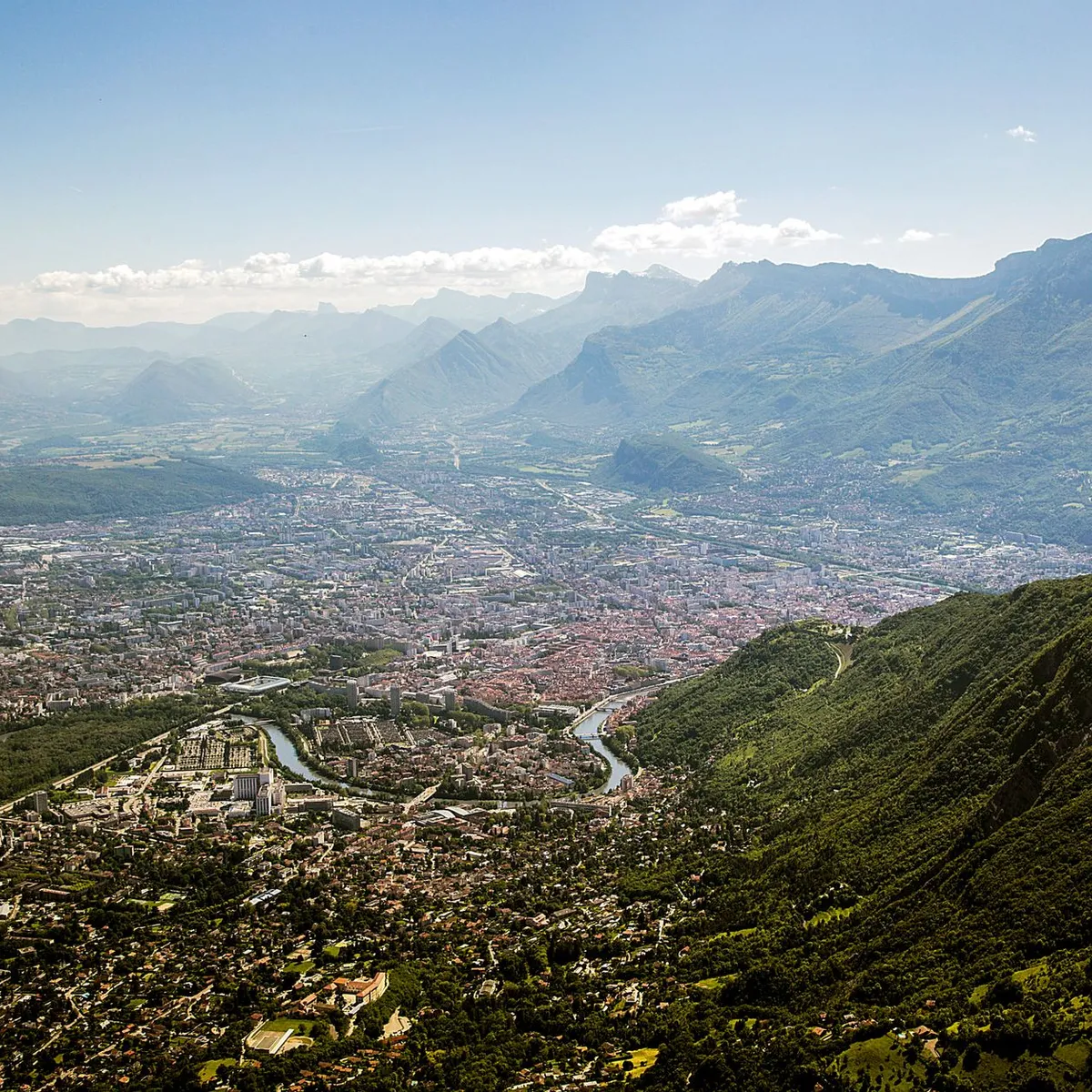
 Photo: JKY / Pexels
Grenoble
Grenoble accessibility for wheelchair users
Compare Grenoble by accessibility, transport, terrain, healthcare, cost, weather, laws, reviews, and community notes.
Grenoble accessibility scores
Compare Grenoble by accessibility, transport, terrain, healthcare, cost, weather, and laws. General stats use public data and models. Community rows reflect member reviews and votes.
General stats
National benchmarks and estimates — your experience in this city may differ.
Community
Starts from our estimate — thumbs up nudge toward Excellent, down toward Poor. Reviews use 1–5 stars.
These figures combine public statistics, models, and live weather where available. Every city is different — treat this as a guide, and share what you know in the Reviews & Corrections tab.
Profile last updated 6/30/2026.
Grenoble wheelchair accessibility guide
Research Grenoble for wheelchair users and caregivers: getting around, terrain, healthcare, costs, climate, accessible things to do, and practical caveats before booking.
Last updated 6/30/2026At a glance
Grenoble is one of the stronger choices in this batch if you want urban France with mountain scenery. The public-transport and pavement indicators are good, and official transport and venue information gives useful planning anchors. The catch is geography: Grenoble sits in a flat valley but is surrounded by steep slopes. Wheelchair users can have a very workable stay in the city core while still needing careful planning for hillside viewpoints.
Getting around
TAG/Reso-M is the primary local transport source for tram and bus planning, including accessibility information and network plans. The tram network is the most useful anchor because stops in the central valley are generally easier than hillside bus routes. For rail arrivals, book assistance with SNCF as needed and allow time for station lifts and platform changes.
Terrain & mobility
The database terrain profile labels the wider sampled area very hilly, with major elevation range, while the pavement profile is high-confidence and strong. Read that as: central Grenoble can be very rollable, but the moment you aim toward the Bastille, mountain roads, or outer slopes, accessibility becomes route-specific. Stay in the valley core if independent rolling is a priority.
Healthcare & care
The OSM healthcare profile lists central clinic and health-service leads, and Grenoble also has a major regional hospital presence. Verify the exact provider, appointment pathway, entrance, and language support before relying on any clinic. For longer stays, arrange physiotherapy, nursing, or personal assistance before arrival.
Costs & housing
The live estimate is from ~$3,484/mo, with housing from ~$1,567/mo. Accessible housing is possible but can be expensive near tram corridors. Prioritize step-free buildings close to a tram stop, grocery, and pharmacy; do not trade that for a scenic hillside address unless you have vehicle support.
Climate & comfort
Summers can be hot in the valley, while winters bring cold rain and nearby snow. Air quality can also be a comfort issue during stagnant weather. The best mobility seasons are often spring and early autumn, when tram travel and outdoor routes are less heat-stressed.
Accessible things to do
Musée de Grenoble— This central museum is a high-value cultural anchor; verify current visitor access, entrance, lifts, and accessible toilets before going.
Grenoble-Bastille cable car— This is the iconic viewpoint route, but wheelchair users should verify boarding dimensions, staff assistance, arrival-slope conditions, and weather before relying on it.
Central tram-and-river route— Use TAG/Reso-M planning plus the flatter valley streets for a low-stress day around the centre and river. This is more dependable than improvising toward the hills.
Jardin de Ville / old-centre edge— A central outdoor stop that can pair with museums and cafes. Expect some older paving nearby, so keep the route short and flexible.
Community & language
French is important for healthcare, housing, and municipal services. English is more common in university, research, and tourist settings than in small clinics. Grenoble’s student and research communities make it more international than many similarly sized French cities.
Would we recommend it?
Yes, especially for wheelchair users who want a real city base with mountains nearby rather than a mountain town stay. Keep accommodation in the flat tram-served core, and treat hillside attractions as assisted, pre-checked outings.
These figures combine public statistics, models, and live weather where available. Every city is different — treat this as a guide, and share what you know in the Reviews & Corrections tab.
Profile last updated 6/30/2026.