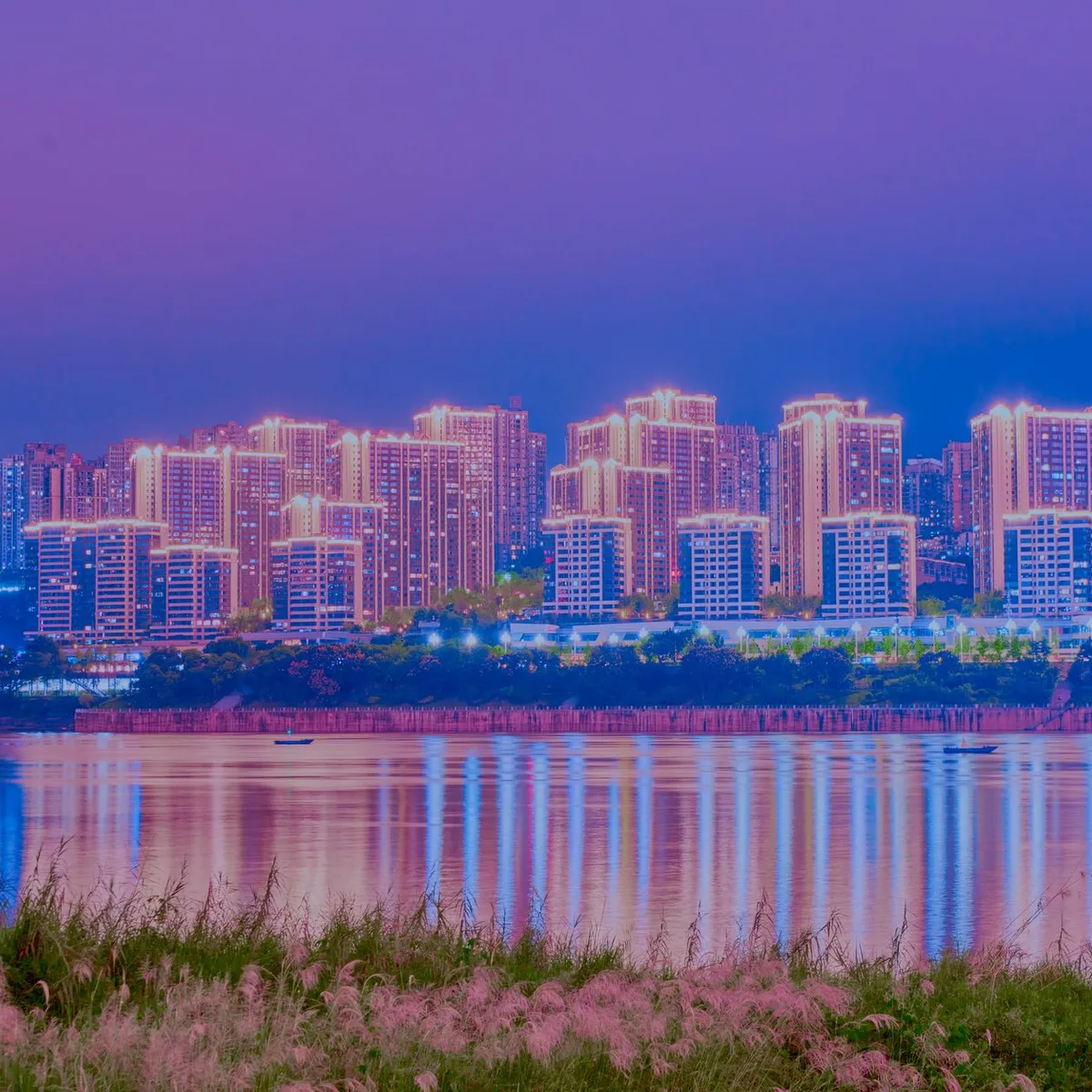
 Photo: Suki Lee / Pexels
Hengyang
Hengyang accessibility for wheelchair users
Compare Hengyang by accessibility, transport, terrain, healthcare, cost, weather, laws, reviews, and community notes.
Hengyang accessibility scores
Compare Hengyang by accessibility, transport, terrain, healthcare, cost, weather, and laws. General stats use public data and models. Community rows reflect member reviews and votes.
General stats
National benchmarks and estimates — your experience in this city may differ.
Community
Starts from our estimate — thumbs up nudge toward Excellent, down toward Poor. Reviews use 1–5 stars.
These figures combine public statistics, models, and live weather where available. Every city is different — treat this as a guide, and share what you know in the Reviews & Corrections tab.
Profile last updated 6/30/2026.
Hengyang wheelchair accessibility guide
Research Hengyang for wheelchair users and caregivers: getting around, terrain, healthcare, costs, climate, accessible things to do, and practical caveats before booking.
Last updated 6/30/2026At a glance
Hengyang is a major Hunan city on the Xiang River, with strong rail links, universities, hospitals, and access to Mount Heng/Nanyue. Wikipedia describes it as Hunan’s second-largest city and a transport hub, which is useful for wheelchair users who need options rather than a single fragile route. RollVenture’s DB costs start around ~$2,248/mo for living and ~$794/mo for housing. The city can be workable, but only if you separate central urban logistics from steeper heritage and mountain trips.
Getting around
Hengyang has conventional rail, high-speed rail at Hengyang East, expressway links, two bus terminals, and Hengyang Nanyue Airport. Long-distance rail is likely the most predictable accessible mode if assistance is booked in advance; city buses and terminals should not be assumed step-free without local confirmation. For daily life, plan on taxis or ride-hailing, and save Chinese text explaining wheelchair storage, no-step pickup, and destination entrance needs.
Terrain & mobility
The DB terrain sample is gently rolling, with low-confidence pavement data dominated by untagged, asphalt, and concrete ways. Central districts near hospitals, universities, and stations may have usable sidewalks in newer areas, while older streets, markets, and river approaches can have abrupt curbs. Mount Heng and Nanyue-related sites are the biggest caveat: they are real highlights, but mountain access may be partial, shuttle-dependent, or too steep for independent use.
Healthcare & care
The DB healthcare profile lists multiple close hospital leads including Hengyang Central Hospital, emergency-capable facilities, and affiliated hospitals. Verify exactly which campus, which entrance, and whether outpatient departments have lifts, accessible toilets, and transfer help. For ongoing care, ask about appointment systems, cashless payments, prescription refills, and whether a companion can enter treatment areas.
Costs & housing
DB estimates: living from ~$2,248/mo, housing from ~$794/mo, food from ~$420/mo, transport from ~$220/mo. Housing should be checked by video: entry ramp, elevator size, bathroom step, shower threshold, bed clearance, and whether taxis can stop at the lobby without stairs or bollards.
Climate & comfort
Hengyang has hot, humid summers, heavy spring rain, and short cool winters. Heat and rain are access issues: wet ramps, slippery tiles, and long station transfers can be harder than the map distance suggests. Air conditioning and covered transfer points are worth paying for.
Accessible things to do
Hengyang East Railway Station area— Not a tourist sight, but a useful mobility anchor for arrivals, departures, and step-managed intercity trips.
Shigu Academy— Listed by Wikipedia among surviving/reconstructed historic buildings; verify ramps and interior thresholds before visiting.
Dongzhou Island / Confucian School area— A real cultural landmark from the city page; choose paved approaches and check bridge or island access conditions.
Mount Heng / Nanyue Grand Temple— Major regional attraction, but treat as assisted, partial-access only unless the operator confirms step-free routes and shuttle handling.
Laiyan Pagoda or Nantai Temple— Good photo/history candidates if your driver can get close; do not assume tower or temple interiors are accessible.
Community & language
Mandarin is essential; local Hengyang speech may be hard for outsiders. Universities bring some younger English speakers, but medical, rental, and station assistance should be handled in written Chinese.
Would we recommend it?
Yes for a resilient traveler using rail, taxis, and verified housing. It is not effortless, but Hengyang’s transport depth and hospital cluster make it more practical than smaller inland cities.
These figures combine public statistics, models, and live weather where available. Every city is different — treat this as a guide, and share what you know in the Reviews & Corrections tab.
Profile last updated 6/30/2026.
Reviews & corrections
Share your experience or suggest a data correction. Both appear publicly; admin updates official city scores and costs separately.
Log in to write a review or suggest a correction.
No reviews or corrections yet.