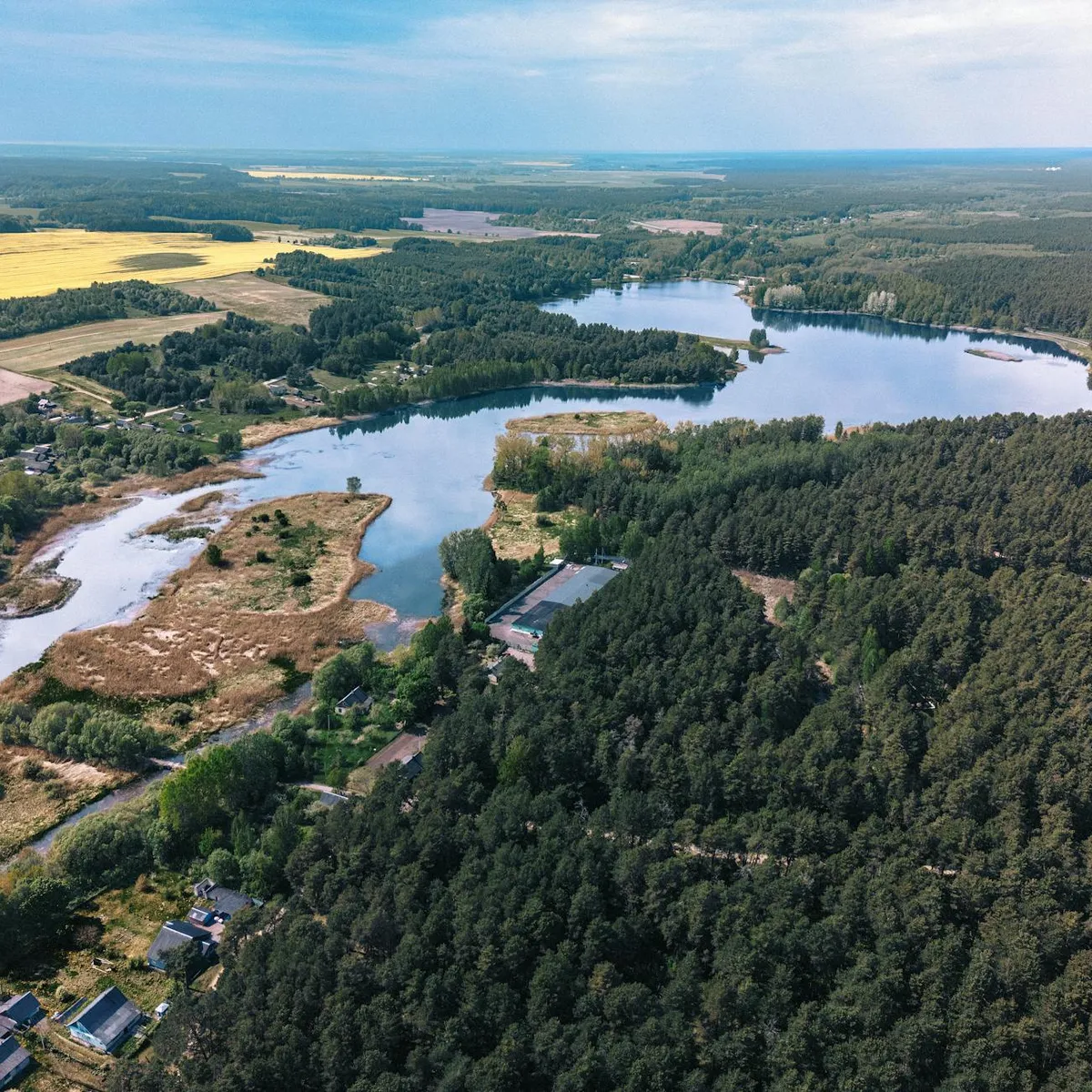
 Photo: Siarhei Nester / Pexels
Hrodna
Hrodna accessibility for wheelchair users
Compare Hrodna by accessibility, transport, terrain, healthcare, cost, weather, laws, reviews, and community notes.
Hrodna accessibility scores
Compare Hrodna by accessibility, transport, terrain, healthcare, cost, weather, and laws. General stats use public data and models. Community rows reflect member reviews and votes.
General stats
National benchmarks and estimates — your experience in this city may differ.
Community
Starts from our estimate — thumbs up nudge toward Excellent, down toward Poor. Reviews use 1–5 stars.
These figures combine public statistics, models, and live weather where available. Every city is different — treat this as a guide, and share what you know in the Reviews & Corrections tab.
Profile last updated 6/30/2026.
Hrodna wheelchair accessibility guide
Research Hrodna for wheelchair users and caregivers: getting around, terrain, healthcare, costs, climate, accessible things to do, and practical caveats before booking.
Last updated 6/30/2026At a glance
Hrodna, also written Grodno, is one of Belarus's strongest heritage-city candidates, with castles, churches, an old town, and riverside views. For wheelchair users, it has a better sightseeing base than many same-score cities, but older architecture and winter conditions create real barriers. RollVenture's row estimates costs from ~$2,485/mo, housing from ~$1,294/mo, and medical costs from ~$123/mo. Pavement data is high confidence and the terrain is gently rolling, which helps, but ramps and disability infrastructure remain modest.
Getting around
Use central accommodation and keep daily routes short. Public transport may include low-floor vehicles on some routes, but do not rely on full network accessibility without local confirmation. Taxis or app-dispatched cars are safer for medical appointments, bad weather, and cross-river trips. If arriving by rail, confirm station lifts, platform boarding, and step-free taxi pickup in advance.
Terrain & mobility
The DB terrain profile is encouraging: gently rolling, with grades under 2% in the sampled grid and a 100 m elevation range. The challenge is not hills so much as historic paving, curb cuts, snow, ice, and older entrances. Around the old town, assume cobbles and thresholds; scout routes during daylight before committing to evening plans.
Healthcare & care
OpenStreetMap lists central medical leads including sports-medicine and pediatric/hospital departments plus clinics such as Ладэ. These are leads only. Call ahead in Russian or Belarusian to confirm ramps, elevators, accessible toilets, imaging access, and whether private clinics can help coordinate specialists or home care.
Costs & housing
Costs are moderate, but accessible housing supply may be limited. Prioritize newer lifts, step-free lobbies, reliable heating, and a route that avoids cobbles for groceries and pharmacies. In winter, ask who clears snow at the entrance and whether ramps become icy.
Climate & comfort
Cold winters, snow, freeze-thaw cycles, and short winter days are the biggest comfort issues. Summer is much easier for rolling and sightseeing. If temperature regulation or respiratory health is a concern, verify heating control, elevator reliability, and backup plans for icy sidewalks.
Accessible things to do
Old Grodno Castle— A signature historic site; verify ramps, courtyard surfaces, and whether interiors require stairs.
New Grodno Castle— Another central heritage stop; ask about lift access and which museum rooms are step-free.
St. Francis Xavier Cathedral— Central landmark on the old-town route; churches can have thresholds, so confirm entry help.
Kalozha Church— Important riverside church; pair it with a short scenic stop and check paths after rain or snow.
Sovetskaya Street / Old Town— Best treated as a slow roll with route scouting because surfaces vary.
Community & language
Russian is widely used; Belarusian appears in signage and culture. English is less dependable outside hotels or younger residents. Current political and border conditions should be checked separately before travel. For longer stays, arrange a local Russian-speaking contact who can confirm building access, medication availability, and winter maintenance before leases are signed.
Would we recommend it?
Yes, for heritage-focused travelers who can handle older surfaces and seasonal planning. Hrodna is more promising than many regional cities, but winter and historic buildings mean accessibility must be checked site by site.
These figures combine public statistics, models, and live weather where available. Every city is different — treat this as a guide, and share what you know in the Reviews & Corrections tab.
Profile last updated 6/30/2026.
Reviews & corrections
Share your experience or suggest a data correction. Both appear publicly; admin updates official city scores and costs separately.
Log in to write a review or suggest a correction.
No reviews or corrections yet.