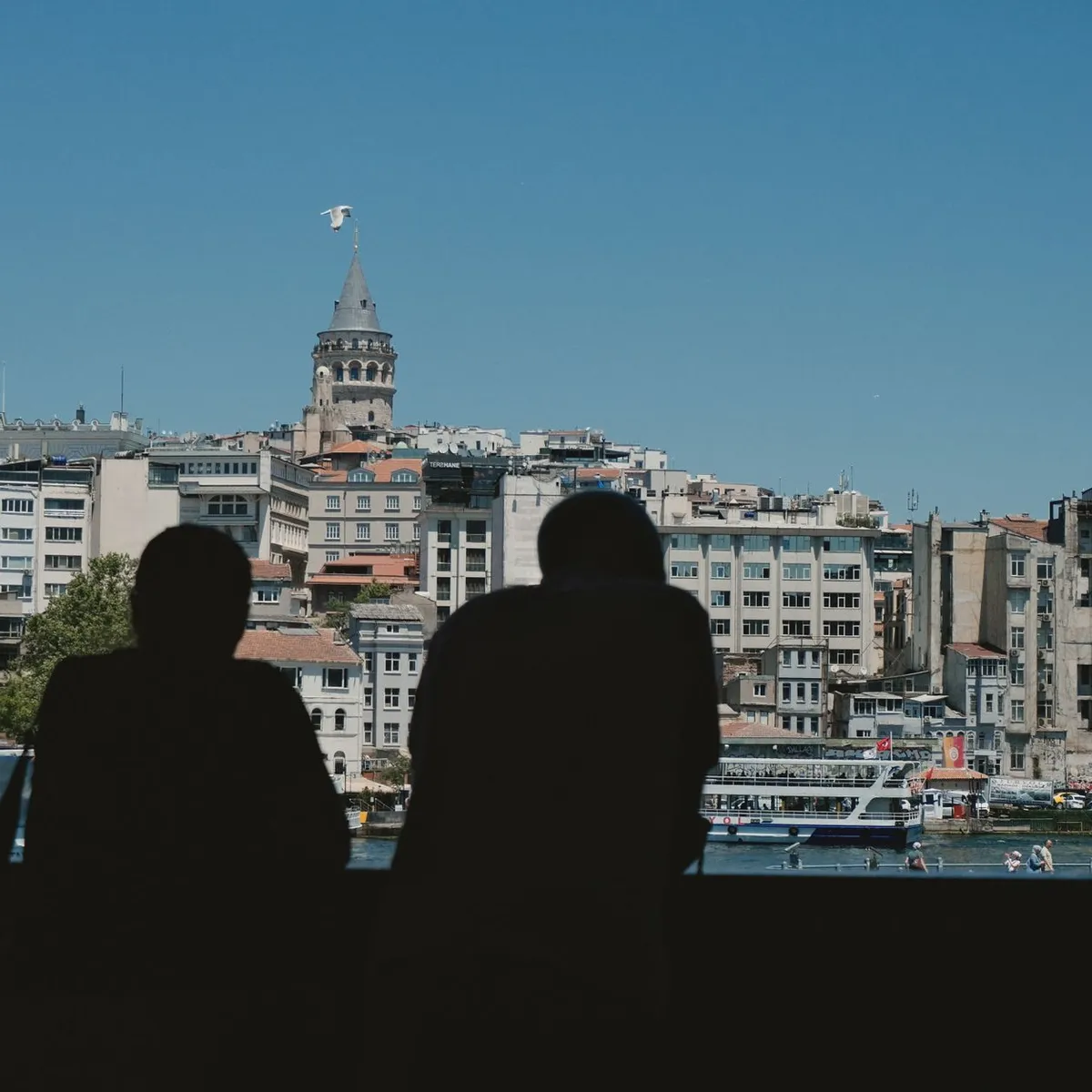
 Photo: Fatih Özer / Pexels
Istanbul
Istanbul accessibility for wheelchair users
Compare Istanbul by accessibility, transport, terrain, healthcare, cost, weather, laws, reviews, and community notes.
Istanbul accessibility scores
Compare Istanbul by accessibility, transport, terrain, healthcare, cost, weather, and laws. General stats use public data and models. Community rows reflect member reviews and votes.
General stats
National benchmarks and estimates — your experience in this city may differ.
Community
Starts from our estimate — thumbs up nudge toward Excellent, down toward Poor. Reviews use 1–5 stars.
These figures combine public statistics, models, and live weather where available. Every city is different — treat this as a guide, and share what you know in the Reviews & Corrections tab.
Profile last updated 6/30/2026.
Istanbul wheelchair accessibility guide
Research Istanbul for wheelchair users and caregivers: getting around, terrain, healthcare, costs, climate, accessible things to do, and practical caveats before booking.
Last updated 6/30/2026At a glance
Istanbul offers extraordinary culture, deep healthcare options, and improving accessible transport, but it is physically demanding. The RollVenture row lists living cost from ~$2,495/mo, housing from ~$1,172/mo, and a hilly terrain label. Historic districts mix paving stones, setts, crowds, security queues, and steep side streets. Wheelchair users can have a rewarding trip here, but only with patient route planning, hotel verification, and backup transport.
Getting around
Use official operator information before relying on public transport. Metro Istanbul and city transport systems publish accessibility information, and BKK-style guarantees do not apply here: each station, ferry pier, tram stop, and lift should be checked in current apps or with staff. The T1 tram corridor is useful for sightseeing but crowded. Ferries can be scenic and practical, yet boarding conditions change with vessel, pier, and weather. Accessible taxis or private transfers are worth budgeting.
Terrain & mobility
The DB terrain sample labels Istanbul hilly, with a 3.6% sampled max grade and 182 m elevation range. That is accurate for the historic peninsula: short slopes can be sharp, and paving stones around Sultanahmet and older bazaars are tiring. Pavement confidence is high, but only 17% of sampled surfaces were tagged good; untagged, paving stones, asphalt, and setts dominate.
Healthcare & care
OSM healthcare leads near the broad city center include Fatih 7 No'lu Aile Sağlığı Merkezi, Hospital Türk, Florence Nightingale, Özel Küplüce Tıp Merkez, and Nazier Soyak Aile Sağlığı Merkezi. Istanbul has many private hospitals, including internationally oriented providers, but distance and traffic matter. Confirm accessible entrances, lift access, translator availability, and whether home-care agencies can reach your neighborhood.
Costs & housing
The DB row lists transport from ~$204/mo, medical from ~$133/mo, and home aid from ~$503/mo. Accessible housing is highly neighborhood-dependent. Newer apartment towers and hotels near modern transit are easier than boutique stays in historic buildings. Ask for exact lift dimensions, bathroom photos, street slope outside the entrance, and generator/backup plans for elevator outages.
Climate & comfort
Summers can be hot and crowded; winters are damp and windy, with occasional snow or icy ramps. Shoulder seasons are best. Build rest stops into sightseeing days because crowds and uneven paving drain energy faster than distance suggests.
Accessible things to do
Hagia Sophia area— official museum/tourism pages confirm the site identity, address, and opening information; accessibility should still be checked because worship/ticketing rules and crowd control can change.
Sultanahmet Square and Hippodrome area— open public space between major monuments, but paving stones, security barriers, and crowds require patience.
Bosphorus ferry ride— often the most accessible-feeling Istanbul experience if the chosen pier and vessel are suitable; verify boarding ramps and toilets with the operator.
Istanbul Archaeology Museums / Gülhane area— culturally rich, but slopes and heritage buildings mean you should confirm lift coverage and accessible entrances before visiting.
Community & language
Turkish is the operating language, though English is common in tourism and private hospitals. Carry written Turkish phrases for lift, ramp, wheelchair, accessible room, and step-free entrance. Hotel staff can be very helpful if given precise requirements.
Would we recommend it?
Yes, but not casually. Istanbul is high-reward and high-friction for wheelchair users. It suits travelers who can pay for good lodging and transfers, verify each route, and treat spontaneous old-city wandering as optional rather than essential.
These figures combine public statistics, models, and live weather where available. Every city is different — treat this as a guide, and share what you know in the Reviews & Corrections tab.
Profile last updated 6/30/2026.