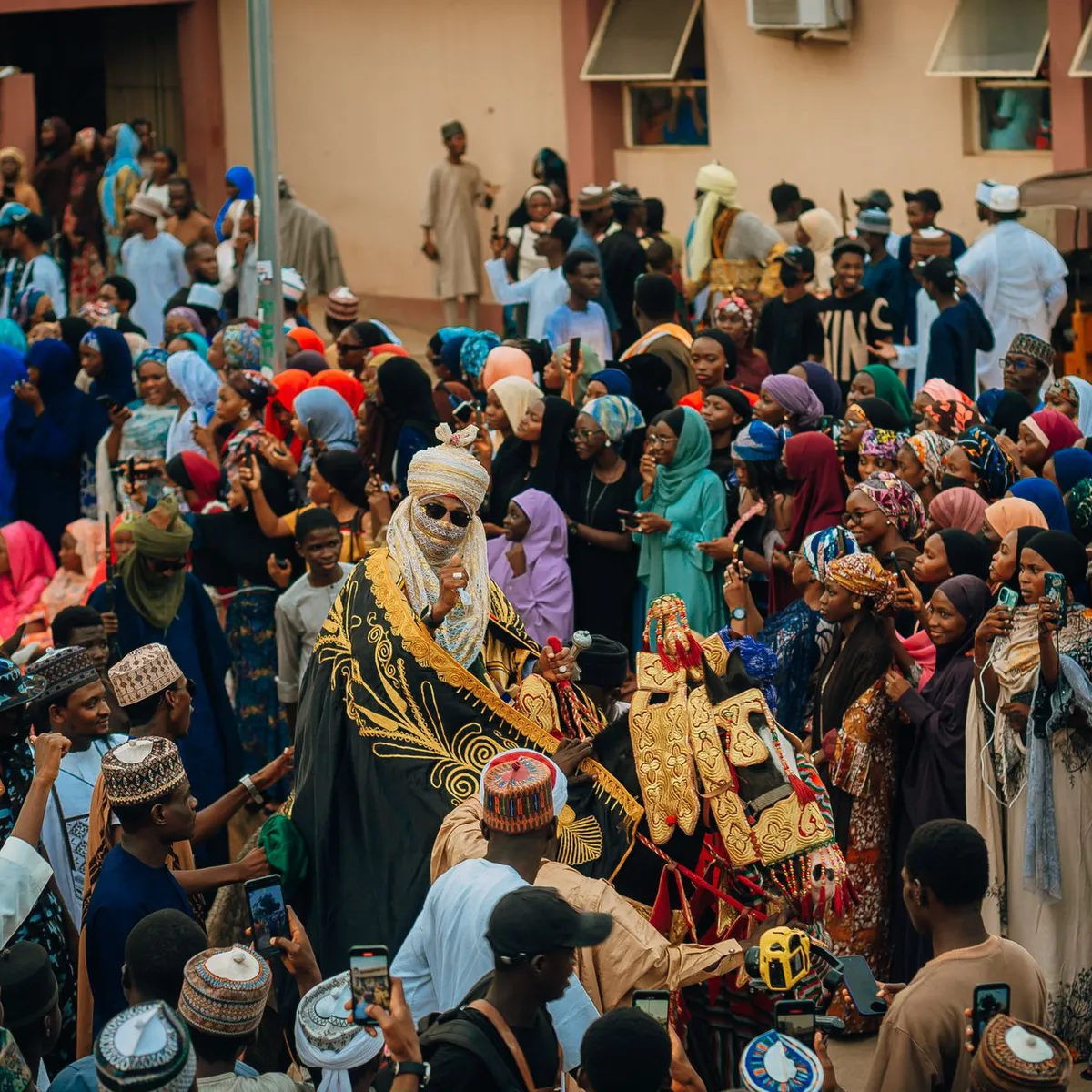
 Photo: Kaybee Photography / Pexels
Iwo
Iwo accessibility for wheelchair users
Compare Iwo by accessibility, transport, terrain, healthcare, cost, weather, laws, reviews, and community notes.
Iwo accessibility scores
Compare Iwo by accessibility, transport, terrain, healthcare, cost, weather, and laws. General stats use public data and models. Community rows reflect member reviews and votes.
General stats
National benchmarks and estimates — your experience in this city may differ.
Community
Starts from our estimate — thumbs up nudge toward Excellent, down toward Poor. Reviews use 1–5 stars.
These figures combine public statistics, models, and live weather where available. Every city is different — treat this as a guide, and share what you know in the Reviews & Corrections tab.
Profile last updated 7/1/2026.
Iwo wheelchair accessibility guide
Research Iwo for wheelchair users and caregivers: getting around, terrain, healthcare, costs, climate, accessible things to do, and practical caveats before booking.
Last updated 7/1/2026At a glance
Iwo is an Osun State city with deep Yoruba history and a lower-cost profile than many larger Nigerian bases. For wheelchair users, its strengths are relatively gentler terrain than nearby hilly towns, some named healthcare leads in the DB row, and a city identity that can be explored with a local host. Its weaknesses are low ramp and wheelchair-transport scores, mixed pavement data, and limited public accessibility details for attractions or lodging.
RollVenture lists monthly living cost from ~$1,659/mo, with housing from ~$607/mo. Treat that as a baseline for ordinary living, not a guaranteed accessible budget. Step-free rooms, paved compounds, private drivers, generator-backed accommodation, and paid assistance may raise the real cost.
Getting around
Iwo is best handled with point-to-point private transport. Informal taxis may work for folding chairs if a companion can lift, but do not assume safe loading for power chairs. Confirm road access to the hotel, hospital, and any cultural stop before arrival. Keep a short list of Yoruba or English address phrases for drivers, and ask hosts to describe landmarks, not just street names.
Terrain & mobility
The DB terrain profile is gentler than Suleja or Okene: Iwo is marked gently rolling, with a moderate elevation range. That is helpful, but pavement is still mixed: untagged, paved, unpaved, and sandy surfaces appear in the profile. Expect a patchwork city where one block is manageable and the next has rough shoulders, drainage cuts, or sandy edges. Manual wheelchair users should plan for help outside main compounds.
Healthcare & care
OpenStreetMap leads in the row include Saint Zeno Hospital and KML Muslim Hospital close to the center. Treat them as leads, not verified accessible facilities. Call ahead about entrances, emergency coverage, lab access, pharmacy supply, and whether a companion can stay. For complex needs, identify referral options toward Osogbo, Ibadan, or Lagos before travel.
Costs & housing
Look for ground-floor accommodation inside a paved compound. Ask for bathroom photos, doorway widths, bed height, generator hours, and whether staff can help source a plank or portable ramp for one or two steps. If staying longer, inspect the route to food shops and clinics in person before committing.
Climate & comfort
Iwo’s heat and wet season can make sandy or unpaved segments harder. Plan morning errands, carry water, and leave recovery time after market or cultural visits.
Accessible things to do
Oluwo of Iwoland palace/cultural context— Wikipedia identifies Iwo’s traditional leadership; arrange any visit through a host who can verify steps, crowds, and protocol.
Iwo city history route— a vehicle-supported drive through central areas gives context without committing to rough pavements.
Federal or local education/community stops— Iwo’s public life includes schools and civic institutions; contact venues directly before visiting events.
Central market area— possible as a short supported outing for food and local life; go at quieter hours and keep the vehicle close.
Community & language
Yoruba is central, and English is useful for formal settings. A local host matters more than translation apps when checking entrances, toilets, and transport.
Would we recommend it?
Yes with support if you have a reason to be in Osun State or want a lower-cost Yoruba city base. It is not independently easy, but the gentler terrain and named healthcare leads make it more workable than several other remaining empty rows.
These figures combine public statistics, models, and live weather where available. Every city is different — treat this as a guide, and share what you know in the Reviews & Corrections tab.
Profile last updated 7/1/2026.