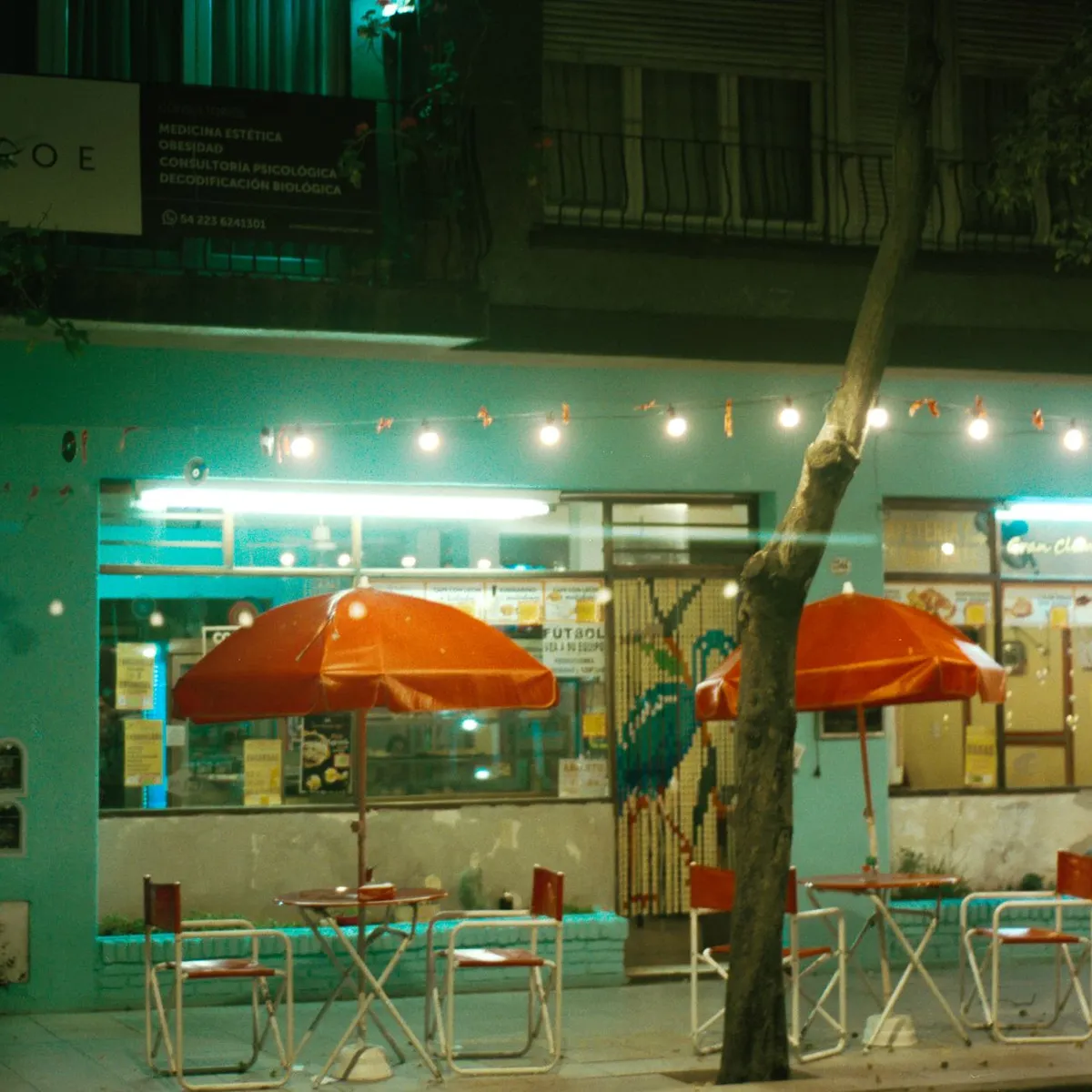
 Photo: Dana Amoreo / Pexels
José C. Paz
José C. Paz accessibility for wheelchair users
Compare José C. Paz by accessibility, transport, terrain, healthcare, cost, weather, laws, reviews, and community notes.
José C. Paz accessibility scores
Compare José C. Paz by accessibility, transport, terrain, healthcare, cost, weather, and laws. General stats use public data and models. Community rows reflect member reviews and votes.
General stats
National benchmarks and estimates — your experience in this city may differ.
Community
Starts from our estimate — thumbs up nudge toward Excellent, down toward Poor. Reviews use 1–5 stars.
These figures combine public statistics, models, and live weather where available. Every city is different — treat this as a guide, and share what you know in the Reviews & Corrections tab.
Profile last updated 6/30/2026.
José C. Paz wheelchair accessibility guide
Research José C. Paz for wheelchair users and caregivers: getting around, terrain, healthcare, costs, climate, accessible things to do, and practical caveats before booking.
Last updated 6/30/2026At a glance
José C. Paz is a mostly flat Greater Buenos Aires municipality about 35 km northwest of central Buenos Aires. For a wheelchair user, its main advantage is ordinary suburban practicality rather than tourist polish: costs are far lower than central Buenos Aires, the street grid is broad in many places, and regional rail can connect you with the wider metro area. The trade-off is uneven sidewalks, variable curb cuts, and fewer published accessibility details than in the capital. Treat it as a base for family, work, or low-cost long stays, not as an easy first-time accessible destination.
Getting around
The José C. Paz railway station on the San Martín commuter line is the key mobility anchor. Step-free access, working ramps, and platform assistance should be checked directly with the rail operator before relying on it, because suburban Argentine stations vary by platform and current works. For daily life, plan on remises, app taxis where available, or a hired driver for medical trips and grocery runs. Buses are frequent around Greater Buenos Aires, but wheelchair access is inconsistent enough that they should be considered a backup rather than the core plan.
Terrain & mobility
The DB terrain profile is encouraging: mostly flat, with a sampled max grade around 0.5% and all sampled points flat. Pavement is the limiting factor. The OSM pavement profile shows a high-confidence mix with asphalt, concrete, unpaved, and many untagged streets; about half the sampled ways are marked good. Expect usable stretches near the station, plazas, and main avenues, then rougher crossings, broken slabs, driveway lips, and informal parking as you move into residential blocks.
Healthcare & care
Nearby care leads in the DB profile include Ex Clínica del Buen Ayre, Centro Médico Talar, and Centro De Salud Doctor Luis Ressio, all from OpenStreetMap and all needing direct access checks. For complex care, many residents travel toward San Miguel, Pilar, or Buenos Aires city. Build a plan before arrival: confirm wheelchair entry, imaging/lab access, ambulance options, and whether private clinics can coordinate home nursing or personal-care support in Spanish.
Costs & housing
The DB cost profile is about from ~$1,657/mo overall, including housing from ~$507/mo, transport from ~$178/mo, medical from ~$122/mo, and home aid from ~$423/mo. Those numbers make José C. Paz attractive for budget, but accessible housing may be the bottleneck. Look for single-level apartments or houses close to paved corridors, inspect bathroom door widths and shower thresholds by video, and avoid assuming that a low rent includes reliable elevators, backup water, or step-free street access.
Climate & comfort
Greater Buenos Aires has hot summers, cool damp winters, and frequent rain events that can expose drainage problems. Summer heat is manageable with air-conditioning, but power interruptions and mosquito season matter for people with limited mobility. After heavy rain, allow extra time for curb ramps, puddled crossings, and unpaved side streets.
Accessible things to do
José C. Paz railway-station area— The most practical orientation point for errands and onward travel; verify station access and assistance before travel.
Plaza Manuel Belgrano / central plaza area— A useful low-cost outdoor anchor for short rolls, cafés, and local life; check pavement condition block by block.
Universidad Nacional de José C. Paz area— A modern civic/education anchor that may host public events; confirm visitor access and step-free routes in advance.
Greater Buenos Aires day trips— Tigre, San Isidro, or central Buenos Aires can be reached with planning, but use accessible taxi or confirmed rail assistance rather than improvising.
Community & language
Spanish is essential for clinic calls, transport negotiation, and housing checks. English support is limited outside tourist areas. Local life is neighborhood-based, so a reliable Spanish-speaking contact or property manager is a major accessibility asset.
Would we recommend it?
Yes, cautiously, for budget-focused stays with local support and a verified accessible home. It is not an easy tourist base for a first visit to Argentina, but the flat terrain and low costs can work if transport and healthcare are arranged before arrival.
These figures combine public statistics, models, and live weather where available. Every city is different — treat this as a guide, and share what you know in the Reviews & Corrections tab.
Profile last updated 6/30/2026.