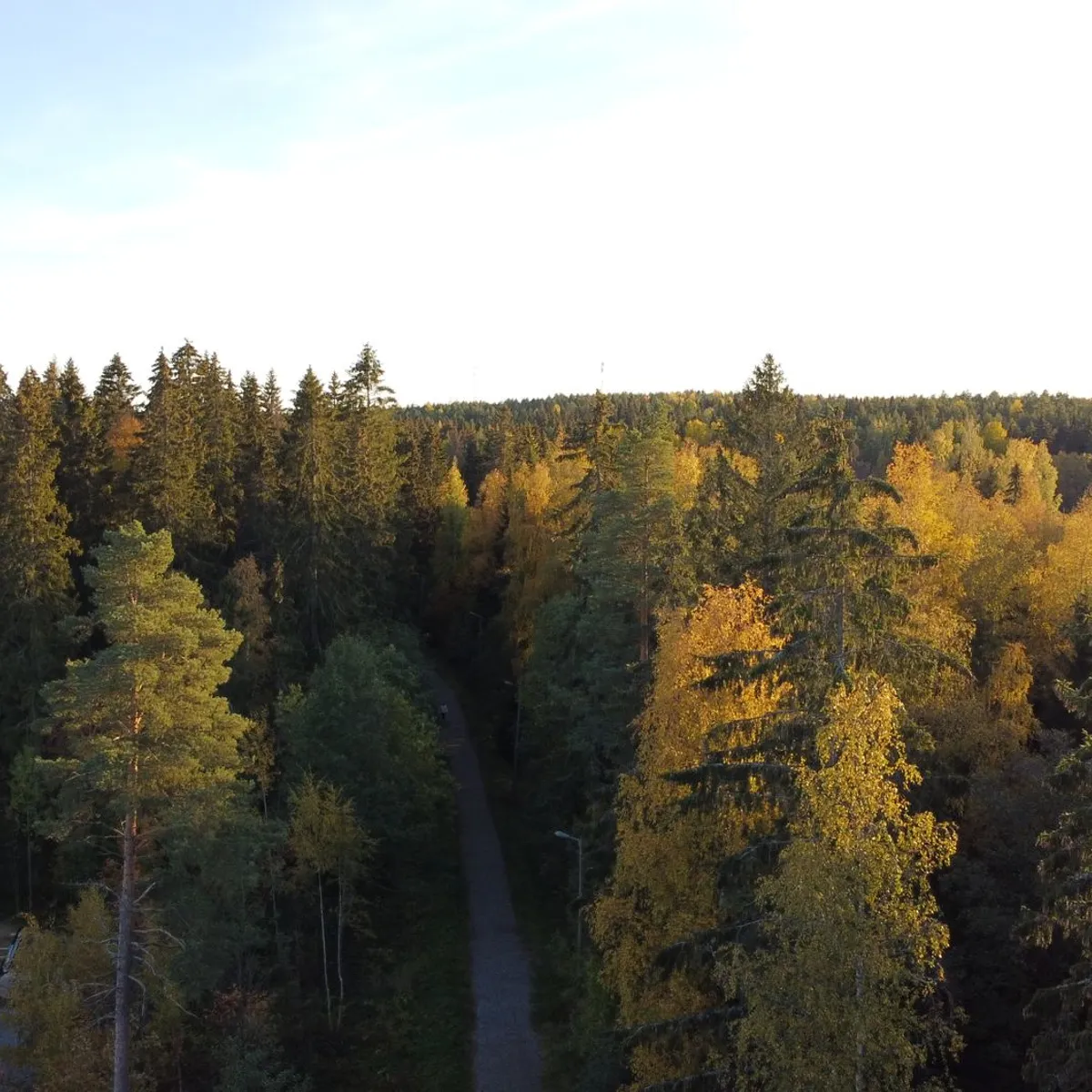
 Photo: DC Productions / Pexels
Jyväskylä
Jyväskylä accessibility for wheelchair users
Compare Jyväskylä by accessibility, transport, terrain, healthcare, cost, weather, laws, reviews, and community notes.
Jyväskylä accessibility scores
Compare Jyväskylä by accessibility, transport, terrain, healthcare, cost, weather, and laws. General stats use public data and models. Community rows reflect member reviews and votes.
General stats
National benchmarks and estimates — your experience in this city may differ.
Community
Starts from our estimate — thumbs up nudge toward Excellent, down toward Poor. Reviews use 1–5 stars.
These figures combine public statistics, models, and live weather where available. Every city is different — treat this as a guide, and share what you know in the Reviews & Corrections tab.
Profile last updated 6/30/2026.
Jyväskylä wheelchair accessibility guide
Research Jyväskylä for wheelchair users and caregivers: getting around, terrain, healthcare, costs, climate, accessible things to do, and practical caveats before booking.
Last updated 6/30/2026At a glance
Jyväskylä is a practical Finnish lake-and-university city for wheelchair users who value compact services, museums, nature access, and clear winter operations. It is not flat in the effortless Dutch sense: the DB terrain profile is hilly, and winter snow management can decide how usable a route feels.
Getting around
Local buses are branded Linkki. Visit Jyväskylä's accessible travel guidance says wheelchair travel is possible on almost all green city buses, while noting that vehicle types vary by route. The city is also reachable by accessible train connections from Helsinki, Tampere, Kuopio, Pieksämäki, and other Finnish hubs. For regional nature sites and smaller towns, the same guidance recommends an accessible car or accessible taxi rather than relying only on public transport.
Terrain & mobility
The DB terrain profile marks Jyväskylä as hilly, with an elevation range of 155 m, while pavement data is high-confidence with 67% good surfaces and asphalt/paved routes common. Winter is the practical issue: the city maintains hundreds of kilometres of streets and pedestrian/cycling routes, but heavy snowfall slows clearing and residential streets may be later.
Healthcare & care
Hospital Nova is the main hospital anchor in Jyväskylä. The Central Finland wellbeing services county says the joint emergency clinic at Hospital Nova treats urgent same-day illness and accidents; call 116 117 for medical advice when considering emergency care, and 112 for life-threatening emergencies. Wheelchair repair options were not strongly verified in public sources, so confirm a local repair contact before a long stay.
Costs & housing
The database estimate is **from ~$4,087/mo**, with housing around **$2,029/mo**. Accessible rentals should be checked for lift reliability, bathroom turning space, snow-cleared entrance routes, and distance to Linkki stops. Newer apartments are safer bets than older low-rise buildings.
Climate & comfort
Expect cold, snowy winters and mild summers. Winter maintenance is organized, but snow piles, grit, freeze-thaw ice, and hilly approaches can still limit independent rolling. In summer, lake and forest routes are appealing, though unpaved sections need checking.
Accessible things to do
Aalto2 / Museum of Central Finland— All floors are accessible by lift, an accessible toilet is on the first floor, a wheelchair and rollator can be borrowed, and assistance dogs are welcome.
Jyväskylä Art Museum— The museum lists street-level wheelchair access, an elevator to basement and upper floors, a disabled toilet, guide-dog access, and free assistants or support persons.
Craft Museum of Finland— An EU Disability Card venue with wheelchair loan, street-level access, accessible restroom, guide-dog access, and staff assistance; note the platform stairlift has size limits.
Pikkukakkonen Trail / Ladun maja area— The city says this route was built following accessible trail design principles, with an accessible lean-to about 300 m from Ladun maja. Winter use may shift toward skiing.
Accessible Jyväskylä Region sights list— Visit Jyväskylä maintains accessible activity listings, but warns that full accessibility on nature trails cannot always be guaranteed because of topography and weather.
Community & language
Finnish is the local language, but English is generally workable in tourism, university, and healthcare settings. The region has dedicated accessible tourism material, including Palmuasema/accessible-travel expertise, which is a good sign for planning.
Would we recommend it?
Yes for summer, museums, and planned nature access; cautiously for winter or manual-chair users without local support. It can be a good base if you choose central housing, check Linkki routes, and treat snow clearance as part of the itinerary.
These figures combine public statistics, models, and live weather where available. Every city is different — treat this as a guide, and share what you know in the Reviews & Corrections tab.
Profile last updated 6/30/2026.