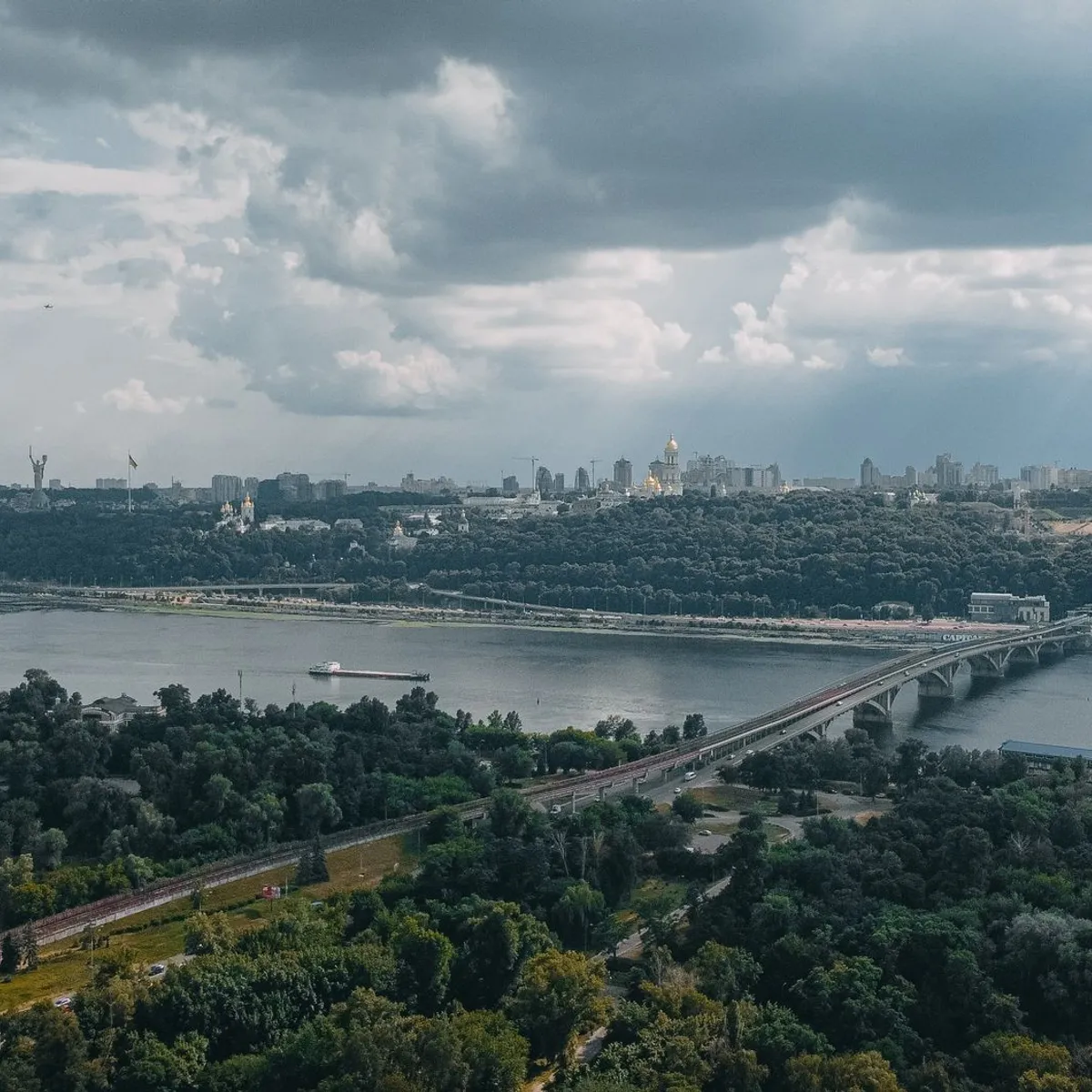
 Photo: Daniel Eliashevsky / Pexels
Kamianske
Kamianske accessibility for wheelchair users
Compare Kamianske by accessibility, transport, terrain, healthcare, cost, weather, laws, reviews, and community notes.
Kamianske accessibility scores
Compare Kamianske by accessibility, transport, terrain, healthcare, cost, weather, and laws. General stats use public data and models. Community rows reflect member reviews and votes.
General stats
National benchmarks and estimates — your experience in this city may differ.
Community
Starts from our estimate — thumbs up nudge toward Excellent, down toward Poor. Reviews use 1–5 stars.
These figures combine public statistics, models, and live weather where available. Every city is different — treat this as a guide, and share what you know in the Reviews & Corrections tab.
Profile last updated 7/1/2026.
Kamianske wheelchair accessibility guide
Research Kamianske for wheelchair users and caregivers: getting around, terrain, healthcare, costs, climate, accessible things to do, and practical caveats before booking.
Last updated 7/1/2026At a glance
Kamianske is an industrial Dnipro-region city on the Dnieper River, with lower-key cultural stops, river views, and practical services rather than a polished tourist infrastructure. RollVenture's live row puts it at overall score 52 and accessibility score 39, with estimated living cost from ~$2,253/mo. It can work as a practical short stay near Dnipro if you already have local contacts, but it is not a destination to approach casually: wartime conditions, industrial distances, and uneven street data make advance checking essential.
Getting around
Plan around taxis, private drivers, or a host who can help with local transfers. Public transport accessibility is uncertain; do not assume low-floor vehicles or step-free stops will be available on the route you need. Keep errands clustered and avoid multi-transfer days. If coming through Dnipro or by rail, request assistance early and keep a backup pickup plan.
Terrain & mobility
The terrain profile is gently rolling, with sampled maximum grade around 2.5%, but the surface profile is the bigger concern. OSM data has medium confidence and shows many untagged, unpaved, gravel, and ground surfaces; only a small share is confidently good. For wheelchair users, that means route scouting matters more than map distance. Dnieper-side paths may be pleasant in sections, but verify curb cuts and current maintenance.
Healthcare & care
The DB healthcare leads list several city hospitals and clinics, including City Hospital No. 9, City Polyclinic No. 3, emergency-tagged City Hospital No. 7, and City Hospital No. 8. These are useful proximity signals, not access guarantees. Before a longer stay, confirm which facility handles your needs, whether the entrance and departments are step-free, and how emergency care is affected by regional security conditions.
Costs & housing
Budget from ~$1,176/mo for housing, ~$167/mo for transport, ~$121/mo for medical spending, and ~$385/mo for home aid. Accessible rentals may be scarce; prioritize newer buildings with working elevators, no courtyard steps, and bathroom photos. Ground-floor flats can still have high thresholds or inaccessible showers.
Climate & comfort
Expect hot summers, cold winters, and shoulder-season rain. Industrial air quality and wartime stress can affect comfort for people with respiratory or fatigue issues. Winter ice can make even short slopes difficult, so choose a base close to pharmacies and groceries.
Accessible things to do
Museum of the History of Kamianske— a city-history anchor; verify step-free entrance and interior circulation before visiting.
St. Nicholas Cathedral area— a central landmark that can be viewed from outside even if interior access is limited.
Dnieper riverfront sections— potentially good for short, flexible rolls; check pavement condition locally before committing.
Central parks and squares— useful low-cost outdoor breaks, but surfaces and curb ramps vary.
Community & language
Ukrainian is primary, with Russian also commonly understood. English support is limited, so prepare translated address cards, access questions, and medical summaries. Local assistance may be informal rather than service-system based.
Would we recommend it?
Only with reservations. Kamianske has hospitals, a workable terrain profile, and practical city services, but the weak pavement confidence, uncertain transit access, and regional wartime context mean it is best for travelers with local support rather than independent first-time wheelchair visitors.
These figures combine public statistics, models, and live weather where available. Every city is different — treat this as a guide, and share what you know in the Reviews & Corrections tab.
Profile last updated 7/1/2026.