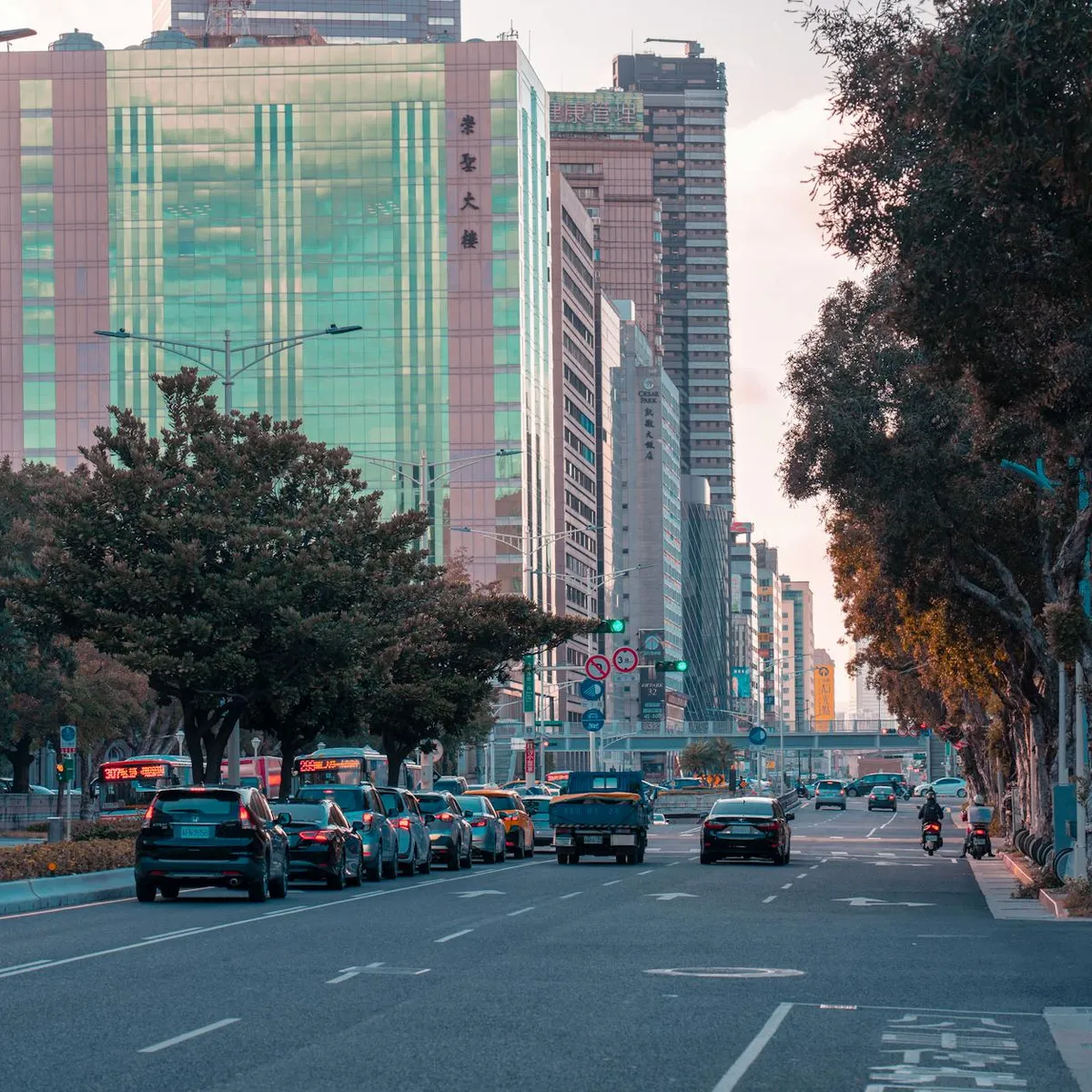
 Photo: Jimmy Liao / Pexels
Kaohsiung
Kaohsiung accessibility for wheelchair users
Compare Kaohsiung by accessibility, transport, terrain, healthcare, cost, weather, laws, reviews, and community notes.
Kaohsiung accessibility scores
Compare Kaohsiung by accessibility, transport, terrain, healthcare, cost, weather, and laws. General stats use public data and models. Community rows reflect member reviews and votes.
General stats
National benchmarks and estimates — your experience in this city may differ.
Community
Starts from our estimate — thumbs up nudge toward Excellent, down toward Poor. Reviews use 1–5 stars.
These figures combine public statistics, models, and live weather where available. Every city is different — treat this as a guide, and share what you know in the Reviews & Corrections tab.
Profile last updated 6/30/2026.
Kaohsiung wheelchair accessibility guide
Research Kaohsiung for wheelchair users and caregivers: getting around, terrain, healthcare, costs, climate, accessible things to do, and practical caveats before booking.
Last updated 6/30/2026At a glance
Kaohsiung is a lower-cost Taiwanese port city with warm weather, metro access, and flatter central terrain than Taipei. The live row scores it 72 overall, with strong safety, decent infrastructure, and costs from ~$2,431/mo. It is promising for wheelchair users who want an urban Taiwan base, but the English accessibility trail is thinner and outdoor comfort depends heavily on heat and rain.
Getting around
Kaohsiung Metro/KRTC is the main accessible backbone. The official site was reachable and contains accessibility-related terms, and modern stations are usually the safest way to move between districts. The light rail can be useful around waterfront areas, but platform access, crowding, and event closures should be checked before relying on it. Buses and taxis are more variable; arrange assistance for airport transfers or late-night travel. If staying near the harbor or arts districts, verify the route from station exit to hotel because surface quality can change block by block, especially around event areas.
Terrain & mobility
The DB terrain profile is gently rolling, with low average elevation and a 93 m sampled range. Pavement data is medium-confidence and mixed: asphalt, brick, concrete, and many untagged ways. Central and waterfront areas are more workable than hillside temples or viewpoints. Watch for heat, scooter parking, uneven arcade transitions, and curb ramps that disappear near older markets.
Healthcare & care
The row lists several local clinics from OSM, including Gushan District Public Health Center, but these should be treated as leads, not guaranteed wheelchair-ready providers. For serious care, identify a major hospital in advance and confirm English support, appointment procedures, and accessible drop-off. Personal care and equipment repair should be arranged before arrival.
Costs & housing
Use the DB baseline from ~$2,431/mo, with housing around $1,007. That is attractive for Taiwan, but accessible housing still needs strict verification: elevator, entrance threshold, bathroom width, shower type, and whether the surrounding block has usable curb cuts.
Climate & comfort
Heat, humidity, typhoon-season rain, and strong sun are the big issues. Plan indoor midday breaks, carry rain protection for joystick and cushion hardware, and avoid long exposed waterfront rolls in peak summer.
Accessible things to do
National Science and Technology Museum— A large indoor museum with an English site; verify entrances, elevators, and loan services before visiting.
Pier-2 Art Center— A major waterfront arts district; many routes are open-air and level-ish, but surfaces and event crowds vary.
Kaohsiung Museum of Fine Arts / Neiweipi area— A calmer cultural anchor with park-like surroundings; confirm current access details.
Love River waterfront— Useful for a flatter outdoor route, best in cooler hours and after checking construction or event closures.
Community & language
Mandarin is important for rentals, clinics, and care. Tourist sites may have English, but everyday access troubleshooting is easier with local help. Disability law and transit access are improving, while building-level execution varies.
Would we recommend it?
Yes, cautiously. Kaohsiung is appealing for cost, safety, and flatter central routes, but verify housing and attraction access more carefully than in the best-documented global cities.
These figures combine public statistics, models, and live weather where available. Every city is different — treat this as a guide, and share what you know in the Reviews & Corrections tab.
Profile last updated 6/30/2026.