 Photo: Bruno Krajski / Pexels
Katowice
Katowice accessibility for wheelchair users
Compare Katowice by accessibility, transport, terrain, healthcare, cost, weather, laws, reviews, and community notes.
Katowice accessibility scores
Compare Katowice by accessibility, transport, terrain, healthcare, cost, weather, and laws. General stats use public data and models. Community rows reflect member reviews and votes.
General stats
National benchmarks and estimates — your experience in this city may differ.
Community
Starts from our estimate — thumbs up nudge toward Excellent, down toward Poor. Reviews use 1–5 stars.
These figures combine public statistics, models, and live weather where available. Every city is different — treat this as a guide, and share what you know in the Reviews & Corrections tab.
Profile last updated 6/30/2026.
Katowice wheelchair accessibility guide
Research Katowice for wheelchair users and caregivers: getting around, terrain, healthcare, costs, climate, accessible things to do, and practical caveats before booking.
Last updated 6/30/2026At a glance
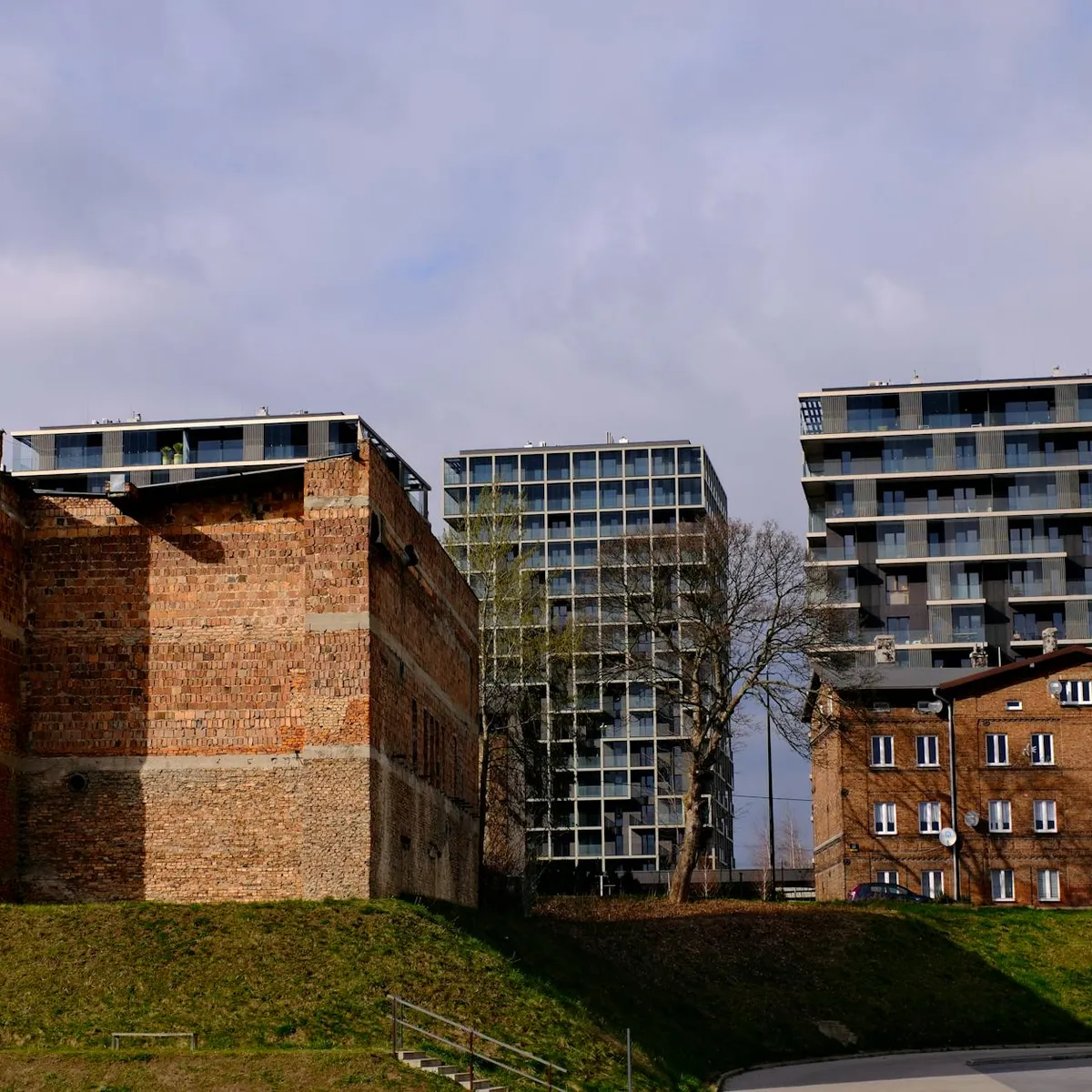
Katowice is a practical, lower-cost Polish city with a modern core, useful rail links, and several big cultural venues. It is less picturesque than Kraków or Gdańsk, but for wheelchair users that can be an advantage: the center and Culture Zone offer broader streets, newer surfaces, and more bailout options. The live DB row has high-confidence pavement data, gently rolling terrain, and relatively affordable costs. It is best for travelers who value museums, concerts, medical access, and day-trip logistics over postcard-old-town charm.
Getting around
Use the central rail station area and Culture Zone as anchors. Trams and buses can be useful, but check the operator route for low-floor vehicles and accessible stops. For late nights or medical trips, taxis may be simpler. Winter snow, curb piles, and platform works can change an otherwise good route.
Terrain & mobility
The DB terrain profile is gently rolling, with a low sampled max grade and 100% flat samples in the grid. Pavement confidence is high, but only part of the sampled network is tagged good; expect asphalt, paving stones, and occasional rough ground. The modern center is easier than older residential or industrial heritage areas.
Healthcare & care
OpenStreetMap healthcare leads include Centrum Medyczne LUX MED and other clinics within a few kilometers. Treat them as appointment leads, not verified accessible care. For hospital needs, confirm entrance, lifts, language support, and accessible taxi access.
Costs & housing
Use the DB baseline from ~$2,220/mo, with housing around $868/mo. Accessible long-stay housing may be easier in newer blocks than in older walk-ups; always request entrance, lift, and bathroom photos.
Climate & comfort
Winters are the hardest season because snow and freeze-thaw damage can block curb cuts. Summer is easier but can bring storms. Air quality may be an issue in colder months, so indoor backup plans help.
Accessible things to do
Silesian Museum— a strong culture anchor in the redeveloped mine area; verify entrance lifts, route from parking/transit, and accessible toilets.
NOSPR and Culture Zone— modern public space around the concert hall and Spodek is one of the better route candidates.
Spodek exterior plaza— useful as an easy landmark and photo stop even if event access varies by ticket and entrance.
Nikiszowiec— architecturally important, but older paving and curbs mean it is better with a companion or driver and a short route plan.
Valley of Three Ponds— a possible green-space day if path surfaces and weather are checked locally.
Community & language
Polish is primary; younger staff in hotels and venues may speak English. Written accessibility questions translated into Polish can get clearer answers.
Would we recommend it?
Yes, especially for a budget-conscious, culture-focused stay. Katowice is not perfect, but the modern core and lower costs make it a sensible wheelchair candidate with winter caveats.
These figures combine public statistics, models, and live weather where available. Every city is different — treat this as a guide, and share what you know in the Reviews & Corrections tab.
Profile last updated 6/30/2026.