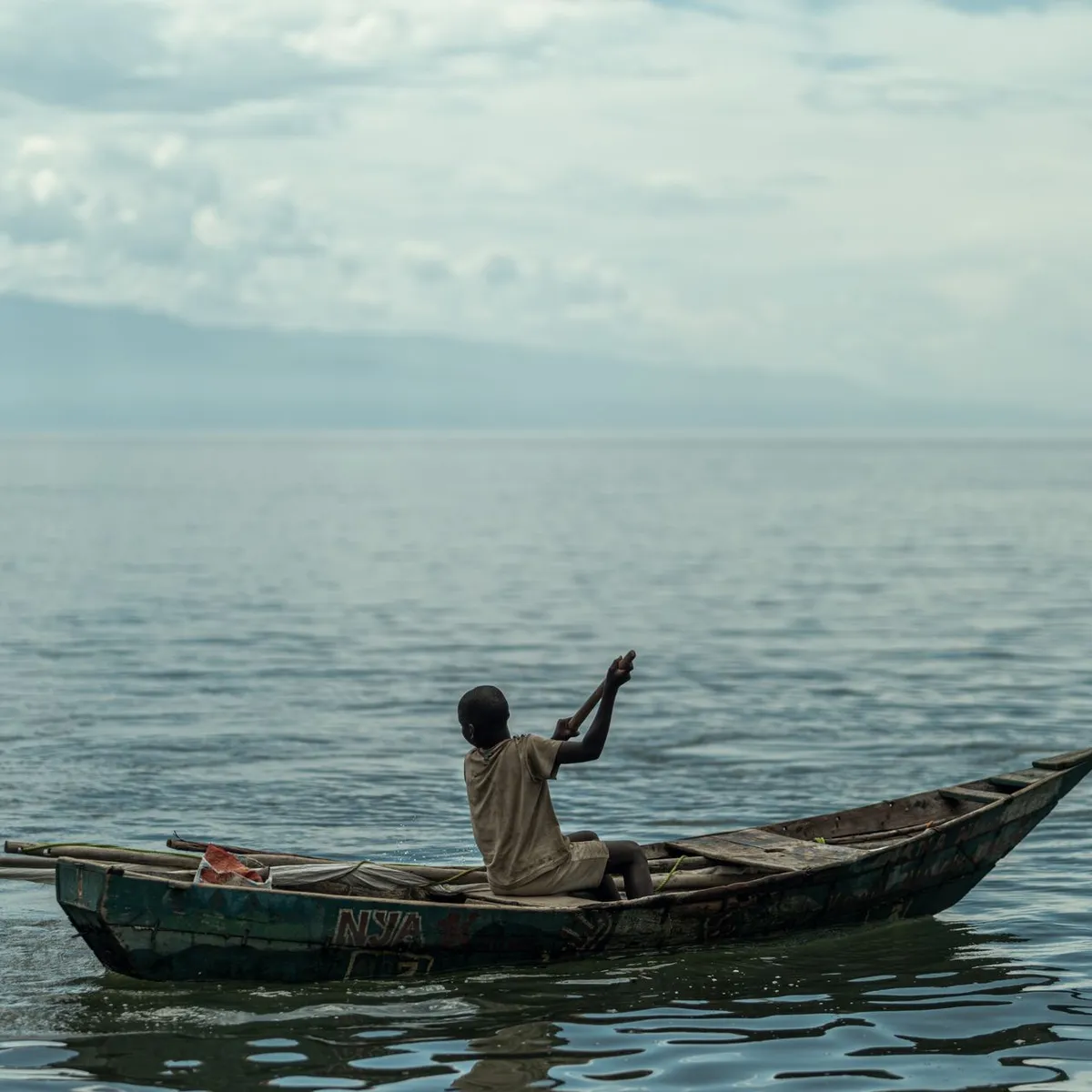
 Photo: Edouard MIHIGO / Pexels
Kigoma
Kigoma accessibility for wheelchair users
Compare Kigoma by accessibility, transport, terrain, healthcare, cost, weather, laws, reviews, and community notes.
Kigoma accessibility scores
Compare Kigoma by accessibility, transport, terrain, healthcare, cost, weather, and laws. General stats use public data and models. Community rows reflect member reviews and votes.
General stats
National benchmarks and estimates — your experience in this city may differ.
Community
Starts from our estimate — thumbs up nudge toward Excellent, down toward Poor. Reviews use 1–5 stars.
These figures combine public statistics, models, and live weather where available. Every city is different — treat this as a guide, and share what you know in the Reviews & Corrections tab.
Profile last updated 7/1/2026.
Kigoma wheelchair accessibility guide
Research Kigoma for wheelchair users and caregivers: getting around, terrain, healthcare, costs, climate, accessible things to do, and practical caveats before booking.
Last updated 7/1/2026At a glance
Kigoma is a practical Lake Tanganyika base rather than an easy wheelchair destination. The RollVenture scores point to a low-accessibility, hilly city: overall 48, accessibility 28, hilly terrain, and only limited evidence of consistently paved routes. It can still work for an adventurous traveler with a companion, a pre-arranged vehicle, and flexible plans, especially if the goal is lake views, chimpanzee-park logistics, or a slower regional stay rather than independent urban roaming.
Getting around
Plan around private transport. Kigoma has a rail station, a port on Lake Tanganyika, and road links, but step-free public transport information is thin. Treat dala-dalas, boats, and station areas as likely to involve steps, crowds, uneven boarding, and luggage handling. Pre-book a car with room for a folding wheelchair, confirm door-to-door pickup, and ask hotels to help identify drivers used to hospital or airport transfers.
Terrain & mobility
The DB terrain profile is hilly, with an average elevation around 816 m and sampled grades up to about 6.2%. Pavement data is high-confidence but dominated by unpaved, ground, and untagged surfaces. That combination means fatigue, caster-trapping gravel, mud after rain, and curb gaps are realistic. Keep daily routes short and verify the exact entrance surface for lodging, restaurants, and lakefront stops.
Healthcare & care
OpenStreetMap lists several nearby healthcare leads, including Mtanga Dispensary, Ndaboine Dispensary, Kikingu, Kwa Rubengela, and Baptist facilities within a few kilometres of the center. Use them as planning leads only, not as guarantees of specialist access, lift access, or wheelchair-ready toilets. For a longer stay, identify a clinic contact before arrival, keep medicine buffers, and know whether evacuation toward larger Tanzanian cities is realistic.
Costs & housing
RollVenture’s stored monthly estimate is from ~$2,069/mo, with housing from ~$1,077/mo, transport from ~$152/mo, medical from ~$126/mo, and home-aid support from ~$336/mo. Accessible housing supply is the bigger constraint than price. Prioritize newer guesthouses or hotels with ground-floor rooms, wide bathroom doors, no threshold into the shower, and staff willing to send current photos.
Climate & comfort
Kigoma is warm and lakeside, with seasonal rain making unsealed surfaces harder. Heat management, mosquito control, and backup power matter. A compact repair kit, gloves, and tires that tolerate gravel are useful because smooth pedestrian infrastructure cannot be assumed.
Accessible things to do
Lake Tanganyika waterfront— The lake is the most obvious low-intensity outing. Treat it as a scenic drive-and-view stop unless a specific lodge or promenade confirms step-free paths and toilets.
Kigoma town market area— Useful for orientation and local life, but crowds, drainage channels, and uneven surfaces mean it is best sampled from the edge or with a local helper.
Gombe Stream National Park logistics— Kigoma is the usual staging point for Gombe trips. The park experience itself is not reliably wheelchair-suitable; verify boat boarding, paths, and lodge access before committing.
Ujiji / Livingstone memorial area— Often visited from Kigoma for regional history. Confirm current road surface, entrance step, and toilet access because heritage sites may have limited formal accessibility.
Community & language
Swahili is the practical language; English appears in tourism and some healthcare contexts but should not be assumed in small facilities. A local fixer or hotel contact can make transport, pharmacy, and translation much easier.
Would we recommend it?
Only for travelers comfortable with low infrastructure and assisted logistics. Kigoma has genuine regional interest, but wheelchair users should treat it as a planned, driver-supported stay rather than a spontaneous accessible city break.
These figures combine public statistics, models, and live weather where available. Every city is different — treat this as a guide, and share what you know in the Reviews & Corrections tab.
Profile last updated 7/1/2026.