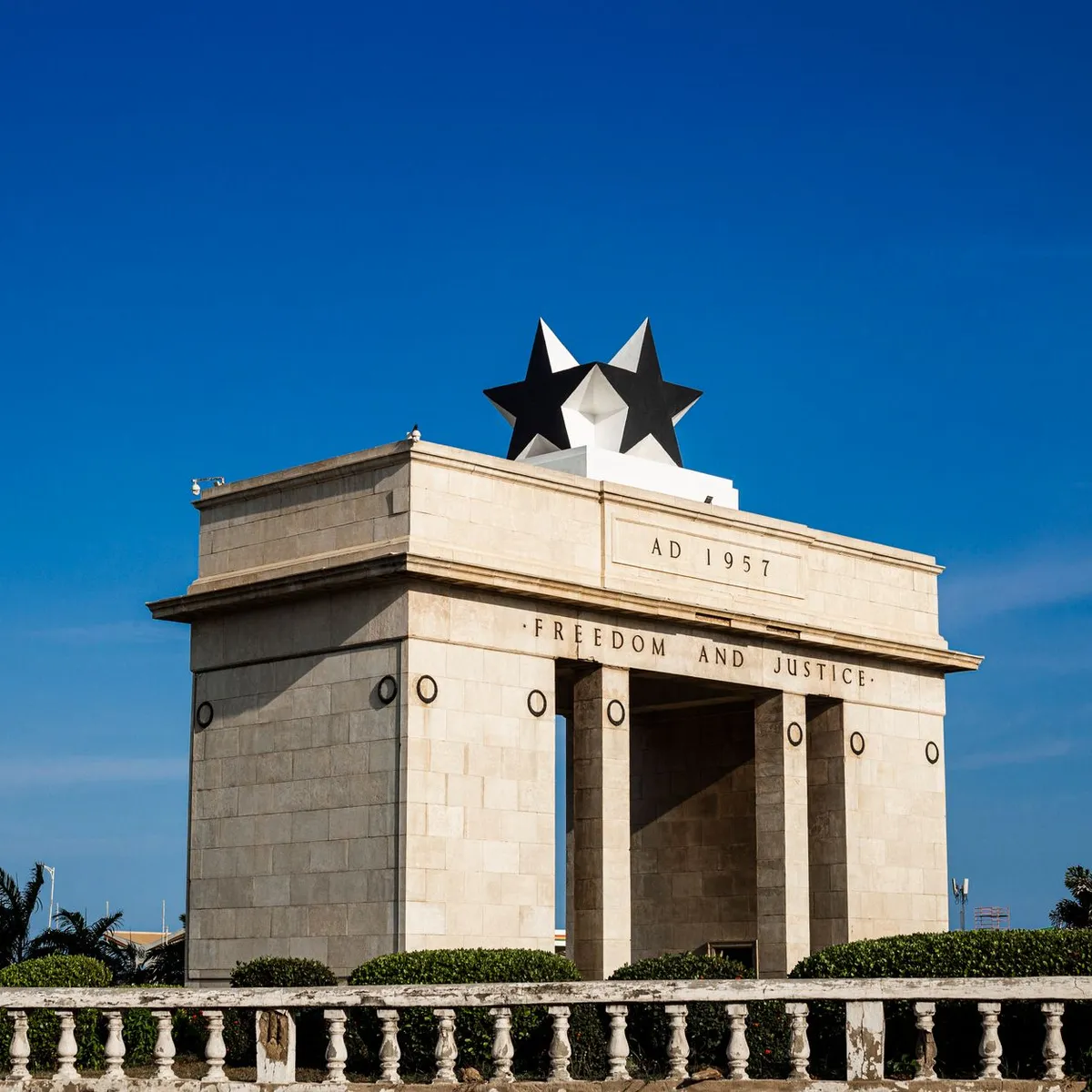
 Photo: Axel Dagrou / Pexels
Koforidua
Koforidua accessibility for wheelchair users
Compare Koforidua by accessibility, transport, terrain, healthcare, cost, weather, laws, reviews, and community notes.
Koforidua accessibility scores
Compare Koforidua by accessibility, transport, terrain, healthcare, cost, weather, and laws. General stats use public data and models. Community rows reflect member reviews and votes.
General stats
National benchmarks and estimates — your experience in this city may differ.
Community
Starts from our estimate — thumbs up nudge toward Excellent, down toward Poor. Reviews use 1–5 stars.
These figures combine public statistics, models, and live weather where available. Every city is different — treat this as a guide, and share what you know in the Reviews & Corrections tab.
Profile last updated 7/1/2026.
Koforidua wheelchair accessibility guide
Research Koforidua for wheelchair users and caregivers: getting around, terrain, healthcare, costs, climate, accessible things to do, and practical caveats before booking.
Last updated 7/1/2026At a glance
Koforidua is Ghana's Eastern Region capital, a practical regional base rather than a polished accessible-tourism city. It scores well on cost in RollVenture's data, with living costs from ~$1,760/mo and housing from ~$660/mo, but the accessibility score is low because pavements, hills, curb cuts, and step-free transport are inconsistent. The city page and local records describe Koforidua as a commercial centre for the Eastern Region; for wheelchair users that usually means more clinics, shops, taxis, and errands than in nearby smaller towns, but not a guarantee of accessible entrances.
Use Koforidua if you already have Ghana support, a driver, and flexible expectations. It is not a city to arrive in assuming independent rolling will work every day.
Getting around
Plan around hired cars, private taxis, or a trusted local driver. Public minibuses and shared taxis are unlikely to provide ramps, fixed wheelchair space, or patient boarding. The road connection toward Oyoko and routes toward Accra/Kumasi help regional movement, but last-mile access still depends on vehicle choice and whether stops have hard, level surfaces. Build extra time for transfers and avoid relying on night travel if you need assistance.
Terrain & mobility
The database terrain sample flags Koforidua as hilly, with a high maximum sampled grade and meaningful elevation range. Pavement data is medium confidence: many ways are untagged, with some paved, unpaved, and asphalt surfaces. That points to a mixed rolling environment. Main roads may be manageable with help, while side streets, drains, broken shoulders, market edges, and slopes can quickly become difficult. Manual wheelchair users should assume a companion or power-assist is needed outside controlled hotel or office compounds.
Healthcare & care
OpenStreetMap-derived local leads include Koforidua Poly Clinic, Rabito Clinic, Bonna O-A Memorial Clinic, Oman Clinic, and Safeline Medical Laboratory near the centre. Treat these as orientation leads, not verified wheelchair-accessible facilities. For anything beyond routine care, ask in advance about entrance steps, toilet access, imaging/lab availability, and ambulance links to Accra. If you use carers, arrange support before arrival; do not assume agencies can supply trained personal-care assistants on short notice.
Costs & housing
RollVenture's stored profile estimates Koforidua at from ~$1,760/mo, with housing from ~$660/mo. That can make it cheaper than Accra, but accessible housing is the harder filter. Ask for fresh photos and measurements: entrance threshold, bathroom door width, shower step, bed height, generator/backup power, and whether the route from parking to room is paved and covered during rain.
Climate & comfort
Koforidua is warm and humid. Rain can turn unpaved shoulders and market approaches into mud, while sun exposure matters on streets with limited shade. Choose accommodation close to your core errands so bad-weather days do not require long transfers.
Accessible things to do
Koforidua Central Market— a useful local-life stop, but expect crowding, uneven approaches, and limited formal access features; go with help and avoid peak hours.
Eastern Region city centre / colonial-era streets— the Wikipedia city profile notes a mix of colonial and modern architecture; treat this as a short assisted roll or drive-by route rather than a fully step-free walk.
Koforidua Technical University area— a practical landmark on the improved road corridor; verify campus or event access before planning around it.
Boti Falls day trip— often associated with Koforidua-area itineraries, but waterfall paths and steps can be a major barrier; use only if a local operator confirms current vehicle access and safe viewing points.
Community & language
English is widely used in Ghana for official purposes, while local Akan languages are common. Koforidua is multi-ethnic and commercial, so arranging help through accommodation, clinics, churches, or university contacts is realistic. Be specific: ask for a driver who understands wheelchair transfers, not just a taxi.
Would we recommend it?
Yes, cautiously, for budget-conscious travellers with local support in Ghana. Koforidua can work as a regional base, but it is not a high-independence wheelchair destination. The best fit is someone who can pre-book accessible-ish lodging, use private transport, and keep plans flexible around hills, weather, and surface quality.
These figures combine public statistics, models, and live weather where available. Every city is different — treat this as a guide, and share what you know in the Reviews & Corrections tab.
Profile last updated 7/1/2026.