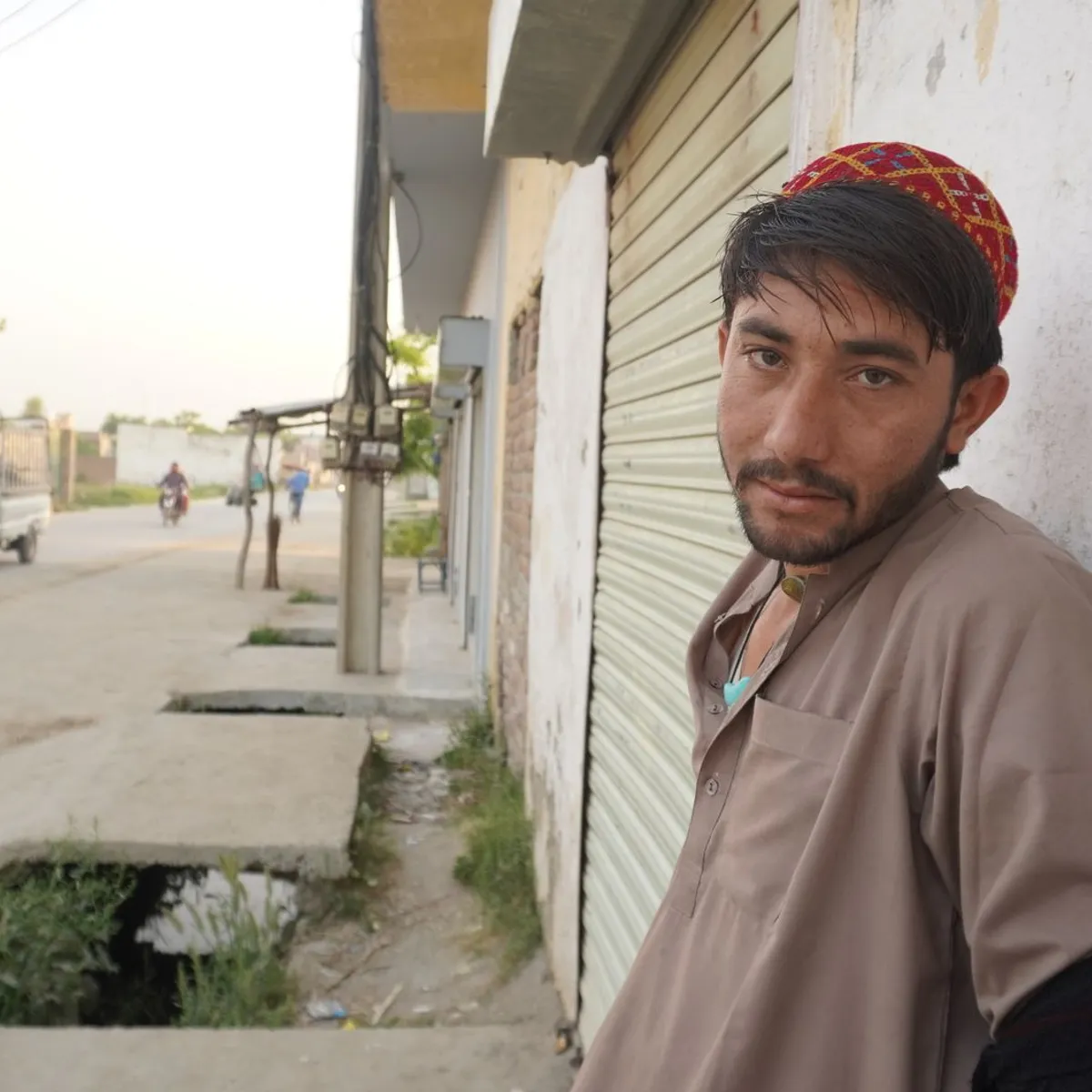
 Photo: Umer Awan PK / Pexels
Kohat
Kohat accessibility for wheelchair users
Compare Kohat by accessibility, transport, terrain, healthcare, cost, weather, laws, reviews, and community notes.
Kohat accessibility scores
Compare Kohat by accessibility, transport, terrain, healthcare, cost, weather, and laws. General stats use public data and models. Community rows reflect member reviews and votes.
General stats
National benchmarks and estimates — your experience in this city may differ.
Community
Starts from our estimate — thumbs up nudge toward Excellent, down toward Poor. Reviews use 1–5 stars.
These figures combine public statistics, models, and live weather where available. Every city is different — treat this as a guide, and share what you know in the Reviews & Corrections tab.
Profile last updated 7/1/2026.
Kohat wheelchair accessibility guide
Research Kohat for wheelchair users and caregivers: getting around, terrain, healthcare, costs, climate, accessible things to do, and practical caveats before booking.
Last updated 7/1/2026At a glance
Kohat is a Pashtun-majority city in Khyber Pakhtunkhwa, Pakistan, with religious sites, older streets, road links, and nearby lake scenery. For wheelchair users it is a low-accessibility, low-cost city rather than an easy base. RollVenture estimates costs from ~$1,749/mo, but accessibility score 29, ramp availability 24, wheelchair transport 30, and infrastructure 36 signal that daily movement will need planning and assistance.
The terrain is the central challenge. The city sits in a hilly setting, and the database terrain profile shows mixed terrain with grades up to about 9.9% and a wide elevation range. Pavement data confidence is low, with many untagged ways, so assume surfaces are inconsistent until a route is checked locally.
Getting around
Do not rely on step-free public transport in Kohat. Local movement is likely to involve private cars, rickshaws, informal taxis, or arranged vans, and wheelchair loading may be manual. If arriving by road from Peshawar or Islamabad, confirm the vehicle type, boot space, transfer method, and whether a companion can help. Leave wide margins for traffic, security checkpoints, and heat.
Terrain & mobility
Kohat’s hills can be difficult for manual-chair users, especially around older neighborhoods and shrine approaches. OSM pavement data for the city has low confidence and mostly untagged surfaces, so the safest assumption is mixed asphalt, rough shoulders, missing curb cuts, and sudden slopes. A power chair or strong assistant will make more routes possible, but ground clearance and battery planning matter.
Healthcare & care
OSM-sourced healthcare leads in the database include CMH Kohat, Sangir Hospital, KDA Government Hospital, and Al Shifa Eye Hospital. These should be treated as starting points only: call ahead for departments, emergency access, ramps, imaging, pharmacy availability, and payment requirements. For longer stays, identify a reliable physiotherapy provider and a repair contact for wheelchair tires, bearings, and batteries.
Costs & housing
The city is relatively affordable in the RollVenture model, with housing around $930/mo and home-aid cost around $264/mo. The hard part is not price but finding a usable place: many homes have steps, squat toilets, narrow bathroom doors, and uneven thresholds. Ask for measurements, photos of the entrance, and confirmation of backup power if using powered mobility equipment.
Climate & comfort
Summers can be hot and dry, and winter evenings can be cool. Heat management is important because shaded, step-free waiting areas may be limited. Plan errands early, carry water, and avoid long exposed road edges.
Accessible things to do
Ghamkol Sharif— a major shrine associated with Kohat; verify step-free access, crowds, prayer-area surfaces, and quiet arrival times before visiting.
Tanda Dam and lake area— a nearby scenic outing; treat viewpoints as car-accessible leads rather than guaranteed rollable paths.
Kohat city bazaars— useful for local culture and supplies, but expect crowding, narrow passages, uneven paving, and limited curb cuts.
Kohat Tunnel / road viewpoint area— mainly a drive-through regional landmark; suitable only as a vehicle-based excursion with limited rolling expected.
Community & language
Pashto, Hindko, and Urdu are useful. Hospitality can be strong, but wheelchair access is often informal and assistance-based. Travel with a local contact where possible, especially for hospitals, shrine visits, and transport negotiation.
Would we recommend it?
Only with reservations. Kohat can be workable for someone with local family, a driver, and a helper, but it is not an easy independent wheelchair destination. The low costs help; hills, surfaces, and unverified transport are the limiting factors.
These figures combine public statistics, models, and live weather where available. Every city is different — treat this as a guide, and share what you know in the Reviews & Corrections tab.
Profile last updated 7/1/2026.