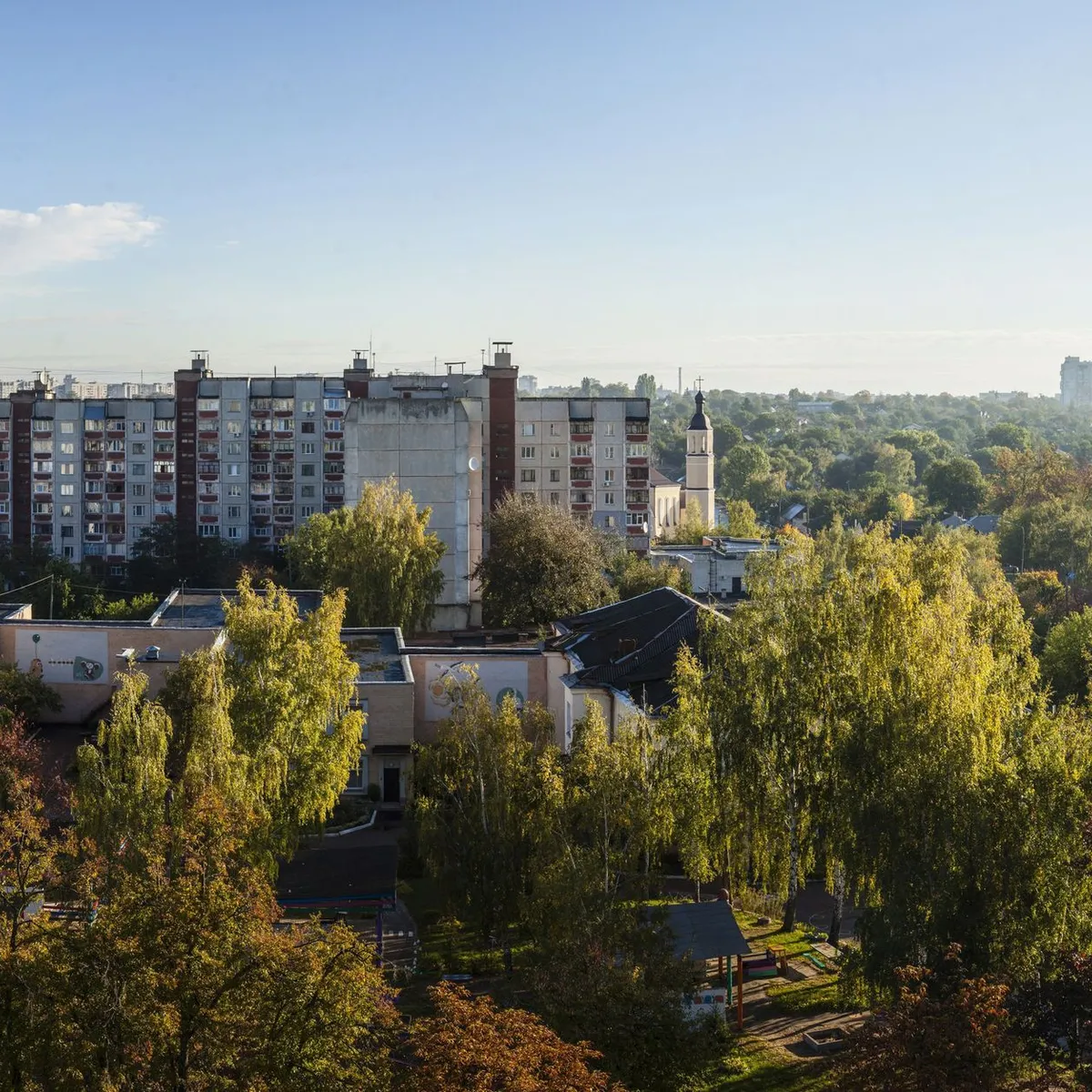
 Photo: Nadin Nandin / Pexels
Konotop
Konotop accessibility for wheelchair users
Compare Konotop by accessibility, transport, terrain, healthcare, cost, weather, laws, reviews, and community notes.
Konotop accessibility scores
Compare Konotop by accessibility, transport, terrain, healthcare, cost, weather, and laws. General stats use public data and models. Community rows reflect member reviews and votes.
General stats
National benchmarks and estimates — your experience in this city may differ.
Community
Starts from our estimate — thumbs up nudge toward Excellent, down toward Poor. Reviews use 1–5 stars.
These figures combine public statistics, models, and live weather where available. Every city is different — treat this as a guide, and share what you know in the Reviews & Corrections tab.
Profile last updated 7/1/2026.
Konotop wheelchair accessibility guide
Research Konotop for wheelchair users and caregivers: getting around, terrain, healthcare, costs, climate, accessible things to do, and practical caveats before booking.
Last updated 7/1/2026At a glance
Konotop is a mostly flat rail city in Sumy Oblast, but the accessibility decision is dominated by Ukraine's current security situation rather than terrain. The live city row shows monthly living costs from ~$2,274/mo, housing from ~$1,187/mo, and a relatively flat terrain profile: OpenTopoData labels the area Mostly Flat with 100% flat samples and a very low sampled max grade. That helps day-to-day mobility on paper, but war-related disruption, air alerts, damaged infrastructure risk, and medical evacuation planning make Konotop a high-caution choice.
Getting around
Konotop is known for its railway station and tram system, both visible in standard city references. For wheelchair users, neither should be assumed step-free. Soviet-era and regional Ukrainian transport often requires advance confirmation, and wartime operating patterns may change quickly. Private vehicle support, a local fixer, and a plan for shelter access are more important than nominal fares. The DB transport estimate is from ~$168/mo, but accessible, reliable rides may cost more.
Terrain & mobility
The terrain is the city's bright spot: mostly flat, modest elevation, and no major sampled grade. The problem is surface quality. OSM pavement data is low-confidence and dominated by untagged, ground, asphalt, and unpaved segments, so a flat route can still be rough or blocked. Users should verify sidewalks around housing, clinic routes, and shelter entrances, not just distance on a map.
Healthcare & care
The row lists OSM healthcare leads including the Central District Hospital, a stomatology clinic, and another municipal/railway hospital lead. These are leads only, not guarantees of accessible entrances, current services, or wartime capacity. Call locally before arrival, identify emergency departments still operating, and confirm whether pharmacies and specialists are reachable during curfew or alerts. DB estimates medical costs from ~$122/mo and home aid from ~$390/mo, but availability is the real constraint.
Costs & housing
The cost line is affordable compared with many European cities, but it should not be read as a green light. Housing needs a generator/backup-power question, basement or shelter access, elevator reliability if above ground floor, and proximity to a working clinic. Ground-floor units can be safer for mobility but may have steps at the building entrance.
Climate & comfort
Winters can add snow, ice, and slush to otherwise flat streets. Summer is easier for rolling, but security alerts, heating reliability, and backup power are bigger comfort issues than normal climate.
Accessible things to do
Konotop railway station— a real city landmark and transport node; visit only if current security and station access are confirmed.
Konotop tram corridor— useful for understanding the city layout, but do not assume level boarding or reliable accessible vehicles.
Ascension Cathedral— listed among city landmarks; check entrance steps, service times, and security conditions before visiting.
St. Nicholas wooden church / old town area— a verified local heritage point, best treated as a short assisted outing with surface checks.
Community & language
Ukrainian is the default for official and medical interactions, with some Russian still understood locally. For care setup, a Ukrainian-speaking coordinator is strongly recommended.
Would we recommend it?
Not for discretionary relocation or accessible tourism right now. Konotop's flat terrain is promising, but active-war risk and uncertain service continuity outweigh the mobility advantages. It may be workable only for people with a strong local reason, local support, and a detailed evacuation and medical plan.
These figures combine public statistics, models, and live weather where available. Every city is different — treat this as a guide, and share what you know in the Reviews & Corrections tab.
Profile last updated 7/1/2026.
Reviews & corrections
Share your experience or suggest a data correction. Both appear publicly; admin updates official city scores and costs separately.
Log in to write a review or suggest a correction.
No reviews or corrections yet.