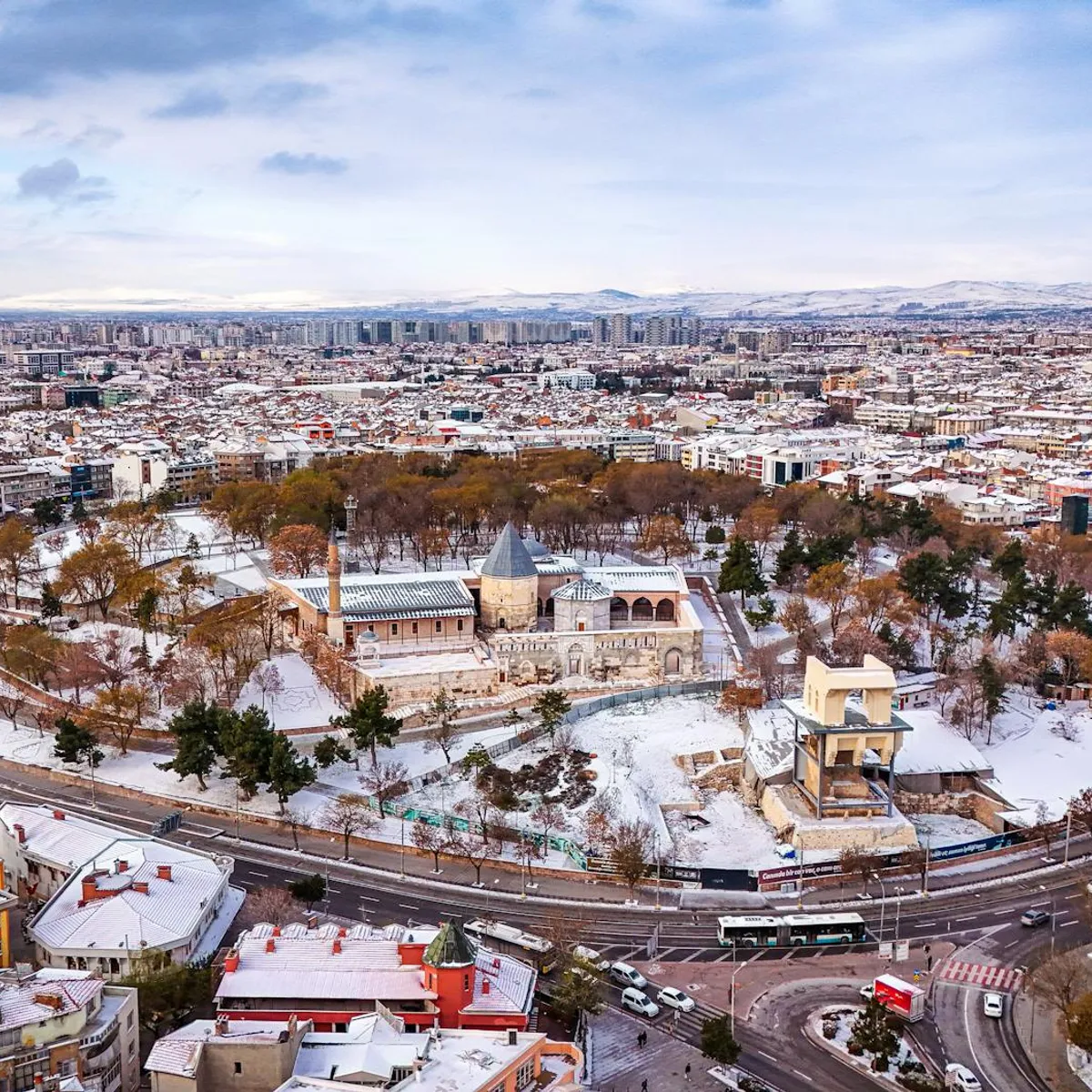
 Photo: Fahrettin Kuşyılmaz / Pexels
Konya
Konya accessibility for wheelchair users
Compare Konya by accessibility, transport, terrain, healthcare, cost, weather, laws, reviews, and community notes.
Konya accessibility scores
Compare Konya by accessibility, transport, terrain, healthcare, cost, weather, and laws. General stats use public data and models. Community rows reflect member reviews and votes.
General stats
National benchmarks and estimates — your experience in this city may differ.
Community
Starts from our estimate — thumbs up nudge toward Excellent, down toward Poor. Reviews use 1–5 stars.
These figures combine public statistics, models, and live weather where available. Every city is different — treat this as a guide, and share what you know in the Reviews & Corrections tab.
Profile last updated 6/30/2026.
Konya wheelchair accessibility guide
Research Konya for wheelchair users and caregivers: getting around, terrain, healthcare, costs, climate, accessible things to do, and practical caveats before booking.
Last updated 6/30/2026At a glance
Konya is one of Türkiye’s major cultural cities, closely associated with Mevlana/Rumi, Seljuk history, and a broad, conservative urban fabric. It is more manageable than many hill towns if you choose the right district, but not fully step-free. The DB row shows hilly terrain around the wider sample, low-confidence pavement data, and a strong cost score. For wheelchair travelers, the best plan is a newer hotel, taxis between sights, and conservative expectations around historic mosques, museums, and older paving.
Getting around
Konya has tram and bus services, plus taxis, but wheelchair reliability should be confirmed locally rather than assumed. For a short stay, taxis or hotel-arranged cars are the dependable option, especially for evening returns or trips beyond the central Mevlana area. If using public transport, verify platform access, vehicle boarding, and payment method before depending on it for medical appointments or airport/train transfers.
Terrain & mobility
The DB terrain profile flags hilly conditions and a meaningful elevation range, while pavement data is mostly untagged with asphalt, paving stones, and sett. Central sidewalks can be usable, but old mosque courtyards, market lanes, and historic thresholds may require assistance. Winter snow and ice are a real access issue, so cold-season visitors should keep routes short and flexible.
Healthcare & care
The OSM healthcare profile lists several nearby hospitals and emergency leads, including Akademi Hastanesi and Konya Numune emergency entries. These are leads, not verified access audits. Türkiye’s private hospitals can be relatively capable, but ask about wheelchair entry, lift access, English-speaking staff, and payment/insurance before relying on a facility.
Costs & housing
The row estimates monthly living cost from ~$1,744/mo, the lowest among the five guides here. That helps for longer stays, but accessible housing still needs manual verification. Newer hotels near the center or business districts are safer bets than older guesthouses. Ask for bathroom photos, lift dimensions, and whether there is a step at the main entrance.
Climate & comfort
Konya has cold, snowy winters and warm dry summers. DB climate averages show frequent snowy days in winter and hot, dry July-August weather. Spring and autumn are best for rolling between sights.
Accessible things to do
Mevlana Museum area— the core cultural stop; confirm current entrance, courtyard surface, crowds, and restroom access before arrival.
Alaeddin Hill / Alaeddin Mosque area— historically important but topography matters; approach as a viewpoint/park visit with route scouting.
Karatay Madrasa / Tile Works Museum— a compact Seljuk-era museum option; verify thresholds and interior route before committing.
Aziziye Mosque and nearby bazaar streets— visually rewarding, but crowded surfaces and entries can be uneven, so keep it short and assisted.
Sille village / dam-lake area— a scenic outing outside the center; use a car and verify restaurant or viewpoint access in advance.
Community & language
Turkish is the working language. English appears in tourism settings but should not be assumed in taxis, pharmacies, or smaller hotels. Local hospitality can be strong; clear photos and simple translated phrases make accessibility requests easier.
Would we recommend it?
Yes, cautiously. Konya is culturally rich and comparatively affordable, but the best experience requires taxis, a verified accessible room, and realistic expectations around historic surfaces and winter conditions.
These figures combine public statistics, models, and live weather where available. Every city is different — treat this as a guide, and share what you know in the Reviews & Corrections tab.
Profile last updated 6/30/2026.