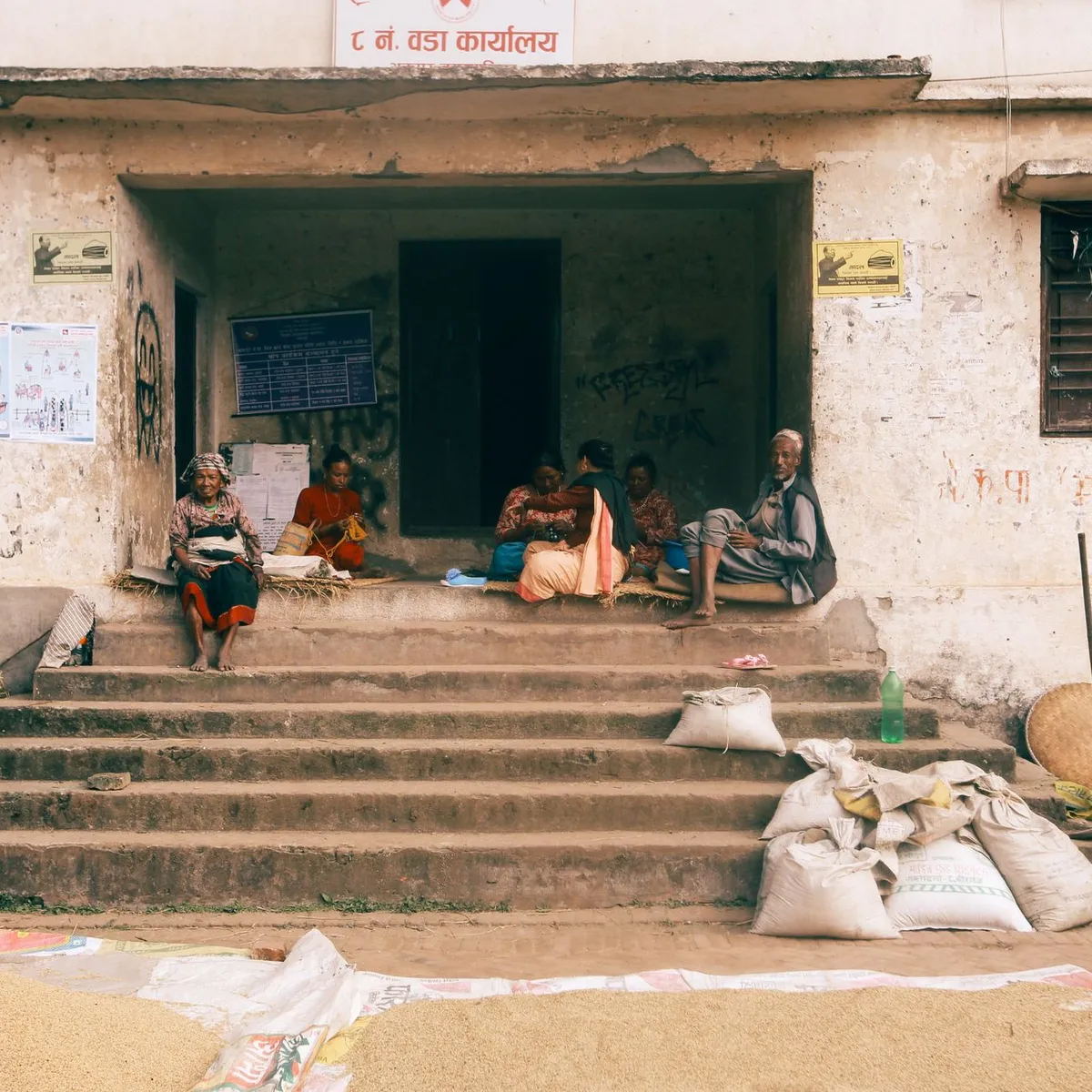
 Photo: Mehmet Turgut Kirkgoz / Pexels
Mahendranagar
Mahendranagar accessibility for wheelchair users
Compare Mahendranagar by accessibility, transport, terrain, healthcare, cost, weather, laws, reviews, and community notes.
Mahendranagar accessibility scores
Compare Mahendranagar by accessibility, transport, terrain, healthcare, cost, weather, and laws. General stats use public data and models. Community rows reflect member reviews and votes.
General stats
National benchmarks and estimates — your experience in this city may differ.
Community
Starts from our estimate — thumbs up nudge toward Excellent, down toward Poor. Reviews use 1–5 stars.
These figures combine public statistics, models, and live weather where available. Every city is different — treat this as a guide, and share what you know in the Reviews & Corrections tab.
Profile last updated 7/2/2026.
Mahendranagar wheelchair accessibility guide
Research Mahendranagar for wheelchair users and caregivers: getting around, terrain, healthcare, costs, climate, accessible things to do, and practical caveats before booking.
Last updated 7/2/2026At a glance
Mahendranagar, officially Bhimdatta, is a far-western Nepal city in Kanchanpur near the Indian border and Shuklaphanta National Park. It offers access to Terai landscapes and border-town services, but RollVenture’s row is cautious: accessibility score 34, low ramp availability, mixed pavement, and a cost estimate from ~$1,447/mo. It is better for travelers with local support than for a first solo wheelchair trip in Nepal.
Getting around
Arrange private vehicles for airport, border, park, and bridge trips. Local buses, autos, and shared jeeps may involve steps, crowding, or luggage-roof loading. If you are crossing from India, confirm border procedures and vehicle continuity so you are not stranded between inaccessible transfers.
Terrain & mobility
The surrounding Terai is flatter than hill Nepal, but the DB terrain sample still flags very hilly edges and a high maximum grade outside the core. Pavement is high-confidence but mostly untagged or unpaved, with some asphalt. Expect dust, broken shoulders, monsoon mud, and few reliable curb cuts. A folding ramp, travel cushion, and assistant are useful.
Healthcare & care
OpenStreetMap leads include Mahakali Zonal Hospital, an eye hospital, Nepal Red Cross Society Kanchanpur Blood Transfusion Service Center, and Mantra Hospital. These are practical leads, not verified accessible facilities. For planned care, call ahead about ramps, imaging/lab availability, and whether you need to travel to Dhangadhi or India for specialist services.
Costs & housing
The DB estimate is relatively low, from ~$1,447/mo with housing around $552/mo. Low cost does not guarantee access: many hotels may have steps, squat toilets, narrow bathrooms, or no lift. Ask specifically for ground-floor rooms, Western toilet height, shower threshold, generator backup, and staff help with luggage and ramps.
Climate & comfort
The climate data shows hot summers, cooler winters, and heavy monsoon rain, with about 1,733 mm annually. Heat, mosquitoes, and muddy surfaces are major wheelchair concerns. Winter may be the easiest season for comfort, while monsoon travel needs extra buffer days.
Accessible things to do
Shuklaphanta National Park— The park is known for grasslands, wetlands, forests, and wildlife. Wheelchair users should ask about jeep-based viewing, firm boarding points, and toilets before booking; do not assume trails are rollable.
Dodhara Chandani Bridge— This long pedestrian suspension bridge over the Mahakali River is a notable regional landmark. Verify approach ramps, crowding, and surface gaps before attempting it with a chair.
Mahendranagar/Bhimdatta market core— A short assisted visit can work for supplies and local orientation. Go early, use a local helper, and avoid narrow or muddy lanes.
Siddhanath temple area— A local religious stop often associated with Mahendranagar. Confirm steps, shoe-storage logistics, and whether a side entrance is possible before visiting.
Community & language
Nepali is the main language, with Hindi often useful near the border and some English in hotels or park services. A local fixer is strongly recommended for transport and access checks.
Would we recommend it?
Yes for supported travelers who want far-west Nepal and park access by vehicle. No for independent wheelchair users expecting predictable urban accessibility. Build the trip around one or two confirmed outings, then leave extra days for weather, transport delays, and medical or equipment checks.
These figures combine public statistics, models, and live weather where available. Every city is different — treat this as a guide, and share what you know in the Reviews & Corrections tab.
Profile last updated 7/2/2026.