 Photo: Wilfried Strang / Pexels
Malacca
Malacca accessibility for wheelchair users
Compare Malacca by accessibility, transport, terrain, healthcare, cost, weather, laws, reviews, and community notes.
Malacca accessibility scores
Compare Malacca by accessibility, transport, terrain, healthcare, cost, weather, and laws. General stats use public data and models. Community rows reflect member reviews and votes.
General stats
National benchmarks and estimates — your experience in this city may differ.
Community
Starts from our estimate — thumbs up nudge toward Excellent, down toward Poor. Reviews use 1–5 stars.
These figures combine public statistics, models, and live weather where available. Every city is different — treat this as a guide, and share what you know in the Reviews & Corrections tab.
Profile last updated 6/30/2026.
Malacca wheelchair accessibility guide
Research Malacca for wheelchair users and caregivers: getting around, terrain, healthcare, costs, climate, accessible things to do, and practical caveats before booking.
Last updated 6/30/2026At a glance
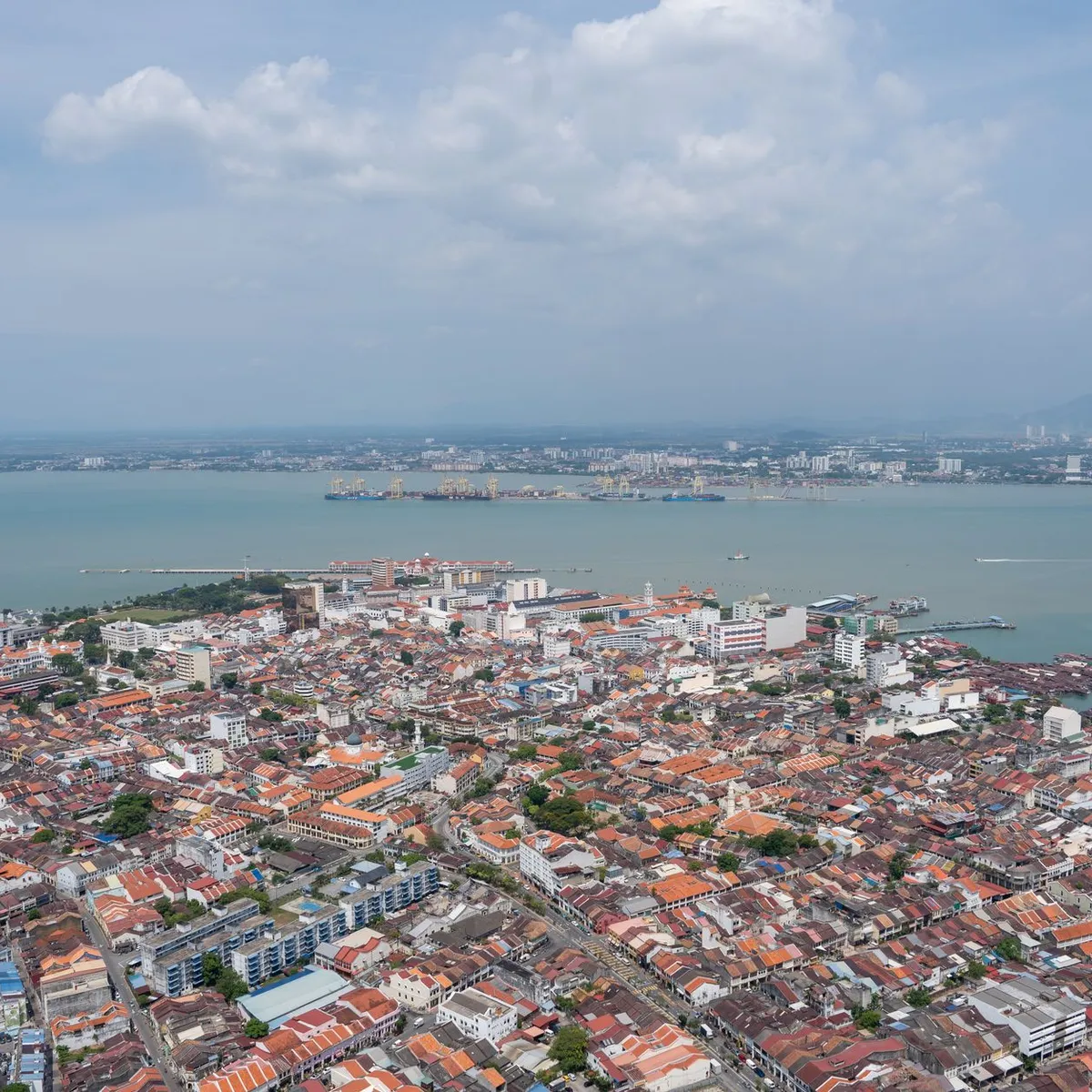
Malacca is a compact heritage city on Malaysia's west coast, centered on the Melaka River, Jonker Street, Dutch Square, museums, malls, and waterfront hotels. It can be rewarding for wheelchair users because many headline sights are close together and the terrain profile is mostly flat. The trade-off is surface quality: heritage pavements, narrow five-foot ways, bridge approaches, crowds, heat, and sudden rain make movement slower than the map suggests. The official Melaka state portal and UNESCO-listed historic core are useful planning references, but venue-by-venue access still needs direct confirmation.
Getting around
Door-to-door taxis or app-based rides are the practical default. The old center is walkable in distance but not always rollable in detail, especially around Jonker Street crowds, drainage edges, and older shopfront thresholds. If using buses, confirm low-floor access and stop conditions locally; do not assume every stop is accessible. Choose a hotel near the river or Dutch Square if you want to reduce transfers, or near a mall if reliable ramps, elevators, toilets, and food courts matter more.
Terrain & mobility
The stored terrain profile is favorable: mostly flat, low sampled grade, and a small elevation range. Pavement confidence is high, but only about a third of sampled ways are tagged as good, with many untagged surfaces. Expect short curb hops, uneven paving stones, tactile strips that are not always smooth, and busy crossings. Early morning is the best time for river paths and heritage streets before heat and crowds build.
Healthcare & care
OpenStreetMap healthcare leads near the center include Klinik Kota Laksamana, Klinik Kesihatan Jalan Gereja, Poliklinik Bandar Sdn Bhd, Klinik Chin, and Mahkota Medical Centre. Use them as leads only. Mahkota Medical Centre is a recognizable private-hospital anchor for visitor planning, but confirm emergency process, wheelchair entrances, accessible toilets, and appointment language support. Bring spare parts for mobility equipment because specialist repairs may require Kuala Lumpur or Singapore networks.
Costs & housing
RollVenture's profile estimates living costs from ~$1,814/mo and housing from ~$631/mo. Accessible hotel rooms are likely easier to verify than long-stay apartments in older heritage shophouses. Ask for step-free entrance photos, bathroom layout, shower chair availability, lift access to breakfast, and whether the route from the lobby to the street has a usable curb cut.
Climate & comfort
Malacca is hot, humid, and rain-prone year-round. Heat management is an accessibility issue: plan shorter outings, use shaded riverfront segments, and keep indoor breaks at malls, museums, or hotel lounges. Wet paving can become slippery around the river and older stone areas.
Accessible things to do
Dutch Square / Stadthuys area— the classic red-building core is compact and mostly visible from open public space; expect crowds, uneven edges, and limited shade.
Melaka River promenade— flat riverside segments can be pleasant for rolling, especially early or near sunset; check bridge ramps and path interruptions.
Jonker Street area— culturally central for food and shops, but narrow, crowded, and threshold-heavy; best treated as assisted or off-peak exploration.
Mahkota Parade / Dataran Pahlawan area— mall-based backup for toilets, cooling, food, and step-free interiors close to the heritage core.
A Famosa / St Paul's Hill viewpoint area— worthwhile historically, but the hill and steps make full access limited; enjoy lower-level views unless you have assistance.
Community & language
Malay is official, with English widely used in tourism and healthcare. Local people are often helpful, but accessibility terms can be vague, so request photos and specifics rather than asking whether a place is simply wheelchair friendly.
Would we recommend it?
Yes, selectively. Malacca is best for wheelchair users who enjoy heritage districts, can handle uneven old-town surfaces with planning, and keep heat breaks built into the day. It is not a carefree roll, but the flat terrain and compact layout help.
These figures combine public statistics, models, and live weather where available. Every city is different — treat this as a guide, and share what you know in the Reviews & Corrections tab.
Profile last updated 6/30/2026.