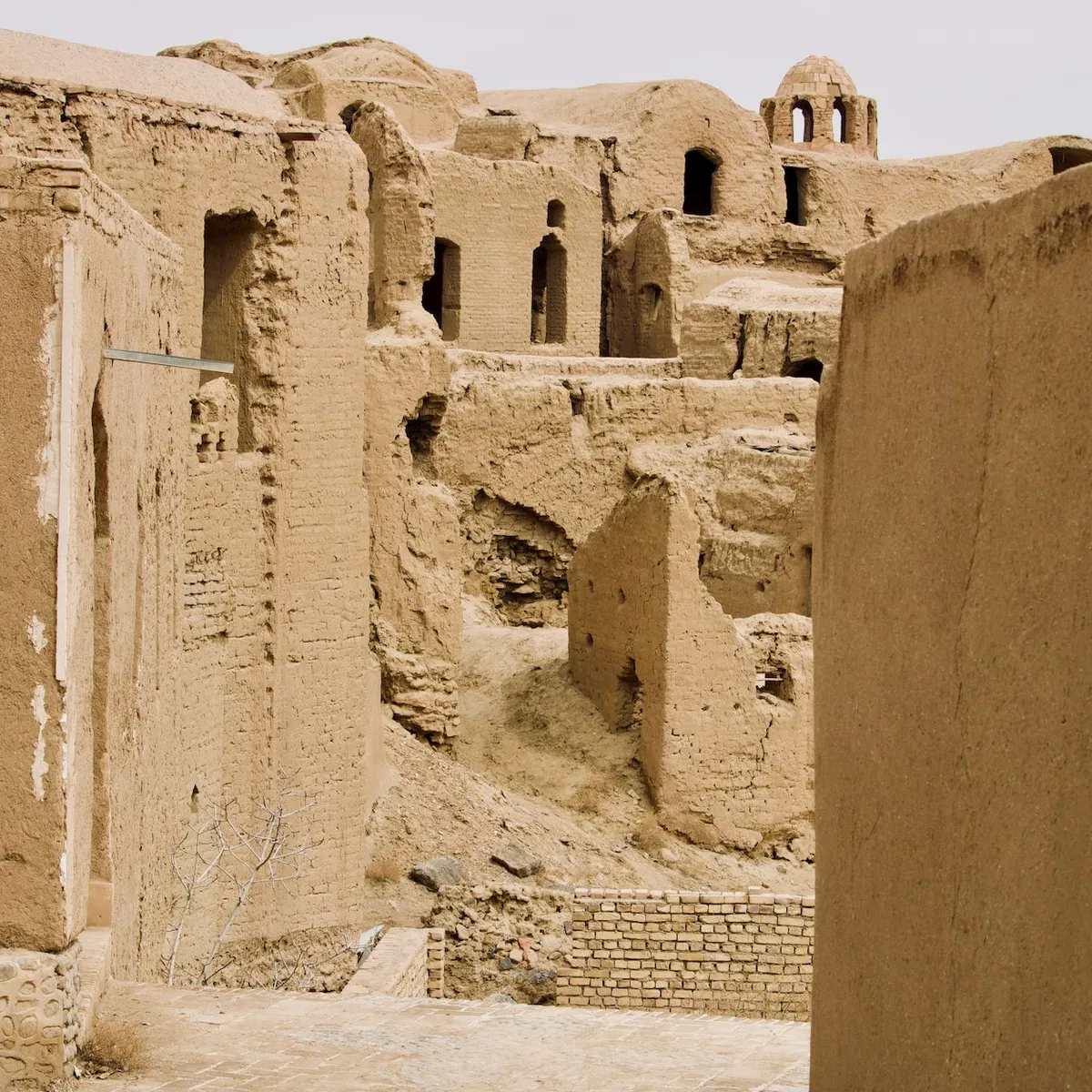
 Photo: Navid Mehraban / Pexels
Malāyer
Malāyer accessibility for wheelchair users
Compare Malāyer by accessibility, transport, terrain, healthcare, cost, weather, laws, reviews, and community notes.
Malāyer accessibility scores
Compare Malāyer by accessibility, transport, terrain, healthcare, cost, weather, and laws. General stats use public data and models. Community rows reflect member reviews and votes.
General stats
National benchmarks and estimates — your experience in this city may differ.
Community
Starts from our estimate — thumbs up nudge toward Excellent, down toward Poor. Reviews use 1–5 stars.
These figures combine public statistics, models, and live weather where available. Every city is different — treat this as a guide, and share what you know in the Reviews & Corrections tab.
Profile last updated 7/1/2026.
Malāyer wheelchair accessibility guide
Research Malāyer for wheelchair users and caregivers: getting around, terrain, healthcare, costs, climate, accessible things to do, and practical caveats before booking.
Last updated 7/1/2026At a glance
Malāyer is a mid-sized city in Hamadan Province that can work for a short, highly planned stay, but it is not an easy wheelchair destination. RollVenture’s row has strong OSM pavement sampling for central roads and a high pavement score, yet the OpenTopoData terrain profile flags a very hilly setting with steep local grades and a large elevation range. Treat the city as a place where smooth main roads may exist, but door-to-door routes can still be tiring or impractical without a driver and helper. Use the local cost estimate as a rough guide: from ~$1,879/mo, with housing from ~$995/mo.
Getting around
Plan around private car transport rather than independent rolling. Intercity access is usually via Hamadan, Arak, or road links across western Iran; once in Malāyer, accessible taxis, lift vehicles, and curb-ramp continuity should be confirmed directly. The DB pavement profile is encouraging for asphalt coverage, but that does not prove sidewalks, entrances, or crossings are step-free. If you use a manual chair, pre-arrange a driver who is comfortable loading the chair and waiting at stops.
Terrain & mobility
The big warning is terrain. The profile labels Malāyer “Very Hilly,” with sampled grades up to about 11.2% and an elevation range near 695 m. Main boulevards may feel manageable, but side streets, older market lanes, and entrances can change grade quickly. Pavement data is better than many regional rows, with mostly asphalt-tagged ways, so the practical issue is less loose surface and more slope, kerbs, and missing dropped crossings.
Healthcare & care
OpenStreetMap lists several central clinics, including Omid Specialty Clinic and Chamran, Vali-Asr, and Farhangian clinics. Treat these as leads, not verified accessible providers. Before committing to Malāyer, ask a local contact or hotel to call ahead about ramped entrances, exam-room access, and whether a companion can stay with you. For specialist care, build in options in Hamadan or a larger city.
Costs & housing
The city looks relatively affordable in the database for Iran: from ~$1,879/mo overall, with housing from ~$995/mo. The accessibility premium may be real, though. A step-free flat, reliable elevator, private bathroom space, and a location on flatter streets are more important than the cheapest listing. Ask for video of the building entrance, lift, bathroom threshold, and the street immediately outside.
Climate & comfort
Malāyer sits at high elevation, so winters can be cold and routes may become harder when snow, ice, or slush affects kerbs and ramps. Summer is generally easier for rolling, but heat and sun exposure still matter on long street segments. In shoulder seasons, check local forecasts and keep spare time between medical, market, and sightseeing stops.
Accessible things to do
Mini World Park— A recognizable modern attraction in Malāyer. Verify open paths, gradients, toilets, and vehicle drop-off before going; it is a better candidate than tight older lanes if paths are paved.
Seyfieh Park— A central green-space option for a low-key outing. Treat it as weather-dependent and ask about step-free approaches from the nearest road.
Nooshijan Tepe— An important archaeological site outside the city. It is culturally strong but likely difficult for wheelchair users because ancient sites often involve uneven ground; consider it a view-from-car or assisted visit.
Malāyer bazaar and central streets— Useful for food, SIM errands, and daily life, but expect crowds, kerbs, and shop steps. Pick one short block rather than trying to “wander.”
Community & language
Persian is the practical language for bookings, taxis, clinics, and housing. English may be limited outside hotels or universities. A local fixer, hotel staff member, or bilingual driver would significantly reduce friction.
Would we recommend it?
Only for experienced travelers who have local help, a driver, and flexibility. Malāyer has some useful road-surface signals and real healthcare leads, but hills and uncertain building access make it a cautious, not casual, recommendation.
These figures combine public statistics, models, and live weather where available. Every city is different — treat this as a guide, and share what you know in the Reviews & Corrections tab.
Profile last updated 7/1/2026.