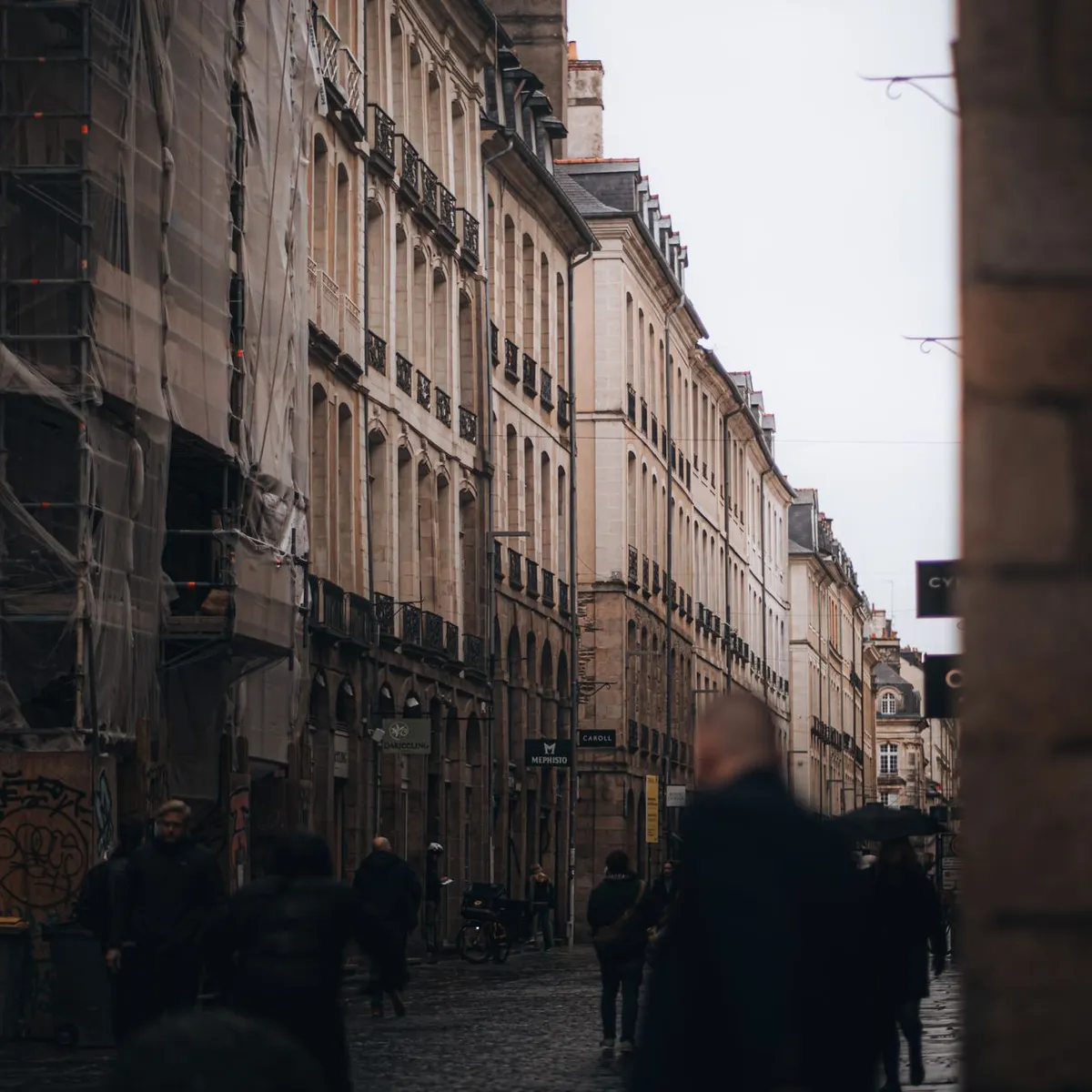
 Photo: Newman Photographs / Pexels
Metz
Metz accessibility for wheelchair users
Compare Metz by accessibility, transport, terrain, healthcare, cost, weather, laws, reviews, and community notes.
Metz accessibility scores
Compare Metz by accessibility, transport, terrain, healthcare, cost, weather, and laws. General stats use public data and models. Community rows reflect member reviews and votes.
General stats
National benchmarks and estimates — your experience in this city may differ.
Community
Starts from our estimate — thumbs up nudge toward Excellent, down toward Poor. Reviews use 1–5 stars.
These figures combine public statistics, models, and live weather where available. Every city is different — treat this as a guide, and share what you know in the Reviews & Corrections tab.
Profile last updated 6/30/2026.
Metz wheelchair accessibility guide
Research Metz for wheelchair users and caregivers: getting around, terrain, healthcare, costs, climate, accessible things to do, and practical caveats before booking.
Last updated 6/30/2026At a glance
Metz is a compact Moselle-river city with a stronger accessibility base than many French mid-sized cities, but it still needs route planning. RollVenture's live row shows a high infrastructure score, high-confidence pavement data, and living costs from ~$3,421/mo. The useful caveat is surface variety: the old core mixes smoother asphalt with sett and paving-stone streets, so a wheelchair user should treat short distances as manageable but not automatically easy. For a first stay, base near the station, the Centre Pompidou-Metz, or the flatter river-side approaches, then test routes into the cathedral/old-town area before committing to housing.
Getting around
Metz is best approached as a transit-plus-short-roll city. The station district puts you near the Pompidou, hotels, food, and onward rail. I could verify the Centre Pompidou-Metz official accessibility page, but a Le Met transport accessibility page returned 403 during this batch, so do not assume every bus/tram-style route or stop is step-free. Check the current Le Met accessibility map, stop works, and ramp procedures before relying on a daily commute. Taxis or pre-booked adapted transport may be useful for evenings and medical trips.
Terrain & mobility
The DB terrain profile labels Metz hilly, with an elevation range around 174 m, but the central tourist spine can still be workable if you pick routes carefully. Pavement data is high-confidence and relatively good, with asphalt common but sett and paving stones present. The practical issue is not one big hill; it is repeated small grades, older surfaces, and bridge/river approaches. Manual wheelchair users may want power assist for long sightseeing days.
Healthcare & care
OpenStreetMap healthcare leads near the centre include Maison Médicale Robert Schuman, Hôpital Belle-Isle, Centre de consultations Saint-Thiébault, Centre Santé Plus, and a specialist ophthalmology clinic. Treat these as leads, not guarantees: call ahead for step-free entrances, lift access, appointment languages, and whether a companion can assist transfers. France has strong formal healthcare infrastructure, but arranging personal care, home help, and equipment repair in a mid-sized city still takes preparation.
Costs & housing
Use the DB cost estimate as a starting point: from ~$3,421/mo, with housing around $1,505/mo. Accessible apartments in older French buildings may be the bottleneck. Confirm elevator dimensions, entry thresholds, bathroom turning radius, heating/cooling, and whether the building has steps before the lift. Newer buildings near the station or business districts are safer bets than charming older walk-ups.
Climate & comfort
Metz has a temperate northeastern French climate: cool winters, warm summers, and rain spread through the year. The biggest comfort concerns are wet paving stones, winter darkness, and heat spikes in apartments without air conditioning. Prioritize housing with reliable heating, shade, and an elevator that is maintained.
Accessible things to do
Centre Pompidou-Metz— the official accessibility page says the museum has the Tourism & Handicap label and disability reception services; still book assistance or adapted visits ahead.
Metz Cathedral area— a major central landmark, but surrounding old-town paving can be uneven; scout curb cuts and approach from smoother streets.
Esplanade and riverside routes— useful low-pressure rolling areas when weather is good; verify path surfaces after rain.
Covered Market and old centre cafés— good for short outings, but individual thresholds and restroom access vary, so choose venues after a quick entrance check.
Community & language
French is the working language for healthcare, housing, and transport. Tourist-facing staff may speak English near museums and hotels, but medical and care setup is easier with translated documents. Metz is calmer than Paris and has cross-border influences, which can help with services, but local accessibility details still need direct confirmation.
Would we recommend it?
Yes, with planning. Metz has credible cultural accessibility anchors and good central healthcare leads, but the old surfaces and hilly profile make it better for travelers who can choose location carefully, verify transit, and avoid assuming every historic street is easy.
These figures combine public statistics, models, and live weather where available. Every city is different — treat this as a guide, and share what you know in the Reviews & Corrections tab.
Profile last updated 6/30/2026.
Reviews & corrections
Share your experience or suggest a data correction. Both appear publicly; admin updates official city scores and costs separately.
Log in to write a review or suggest a correction.
No reviews or corrections yet.