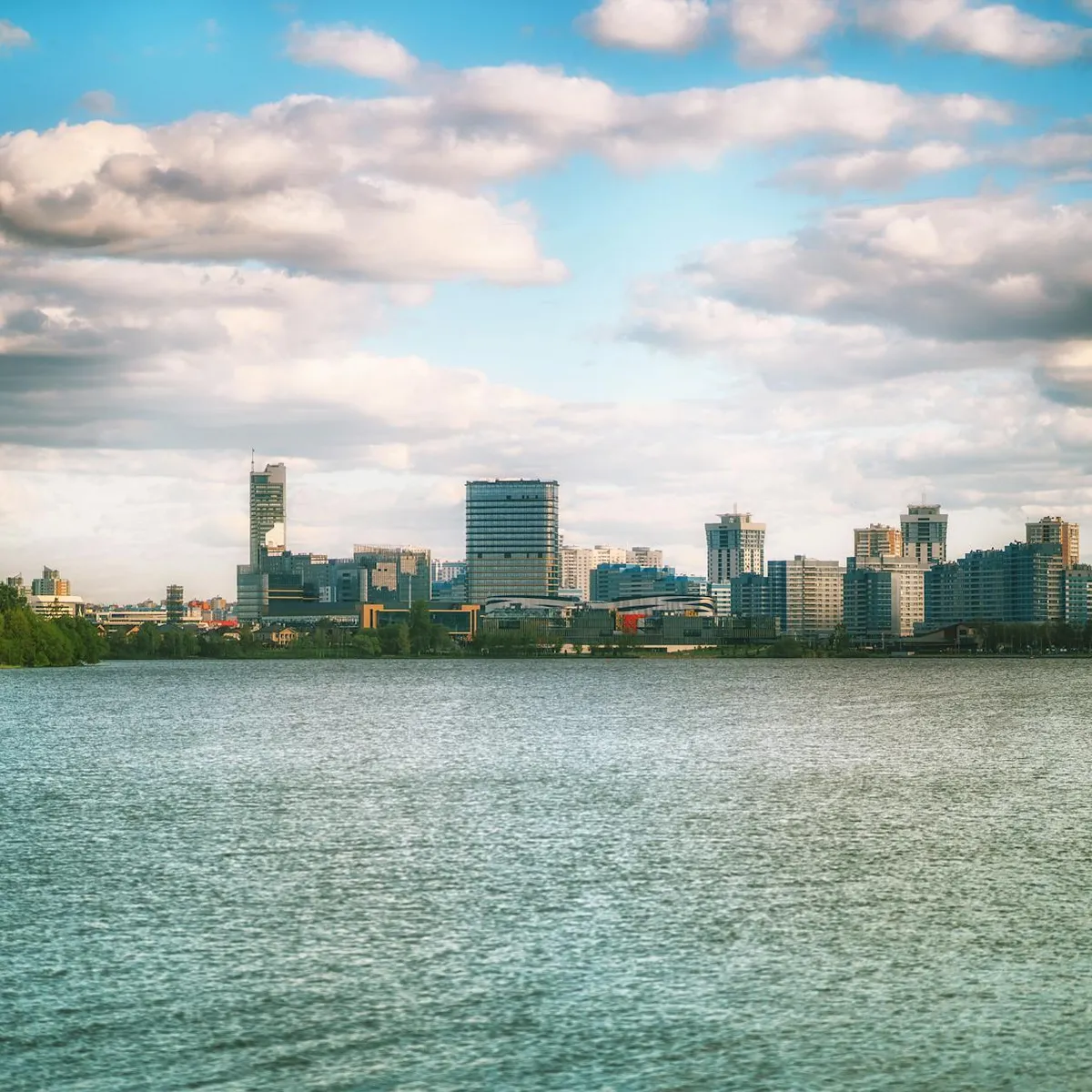
 Photo: Siarhei Nester / Pexels
Minsk
Minsk accessibility for wheelchair users
Compare Minsk by accessibility, transport, terrain, healthcare, cost, weather, laws, reviews, and community notes.
Minsk accessibility scores
Compare Minsk by accessibility, transport, terrain, healthcare, cost, weather, and laws. General stats use public data and models. Community rows reflect member reviews and votes.
General stats
National benchmarks and estimates — your experience in this city may differ.
Community
Starts from our estimate — thumbs up nudge toward Excellent, down toward Poor. Reviews use 1–5 stars.
These figures combine public statistics, models, and live weather where available. Every city is different — treat this as a guide, and share what you know in the Reviews & Corrections tab.
Profile last updated 6/30/2026.
Minsk wheelchair accessibility guide
Research Minsk for wheelchair users and caregivers: getting around, terrain, healthcare, costs, climate, accessible things to do, and practical caveats before booking.
Last updated 6/30/2026At a glance
Minsk is a large, planned capital with broad avenues, metro lines, museums, parks, and generally flatter central terrain than many European capitals. For accessibility, the picture is moderate rather than easy: the DB row shows good pavement tagging and gently rolling terrain, but a modest accessibility score and mixed transit assumptions. Budget from ~$2,645/mo, with housing around ~$1,369/mo.
Getting around
Minsk has metro, tram, trolleybus, bus, rail, and airport connections. However, wheelchair users should verify station elevators, rolling stock, platform gaps, and assistance procedures before relying on transit. Central avenues may be easier than older courtyards or underpasses. For first arrival, an arranged accessible car or hotel transfer is safer than trying to improvise from the station or airport.
Terrain & mobility
The terrain profile is comparatively friendly: gently rolling, average elevation about 219 m, max sampled grade around 1.3%, and all sampled points flat. The pavement profile is high-confidence, with 59% good surfaces and common asphalt or paving-stone tags. Watch for winter ice, curb transitions, underpass ramps, and large street crossings that force detours.
Healthcare & care
OpenStreetMap healthcare leads near the centre include Asmedservice, Minsk Regional Dental Polyclinic, NeoMedical, Sante Medical Center, and the regional dermatology dispensary. These should be treated as starting points. Confirm wheelchair entrances, lift access, private-payment process, language support, and prescription continuity. If you need regular personal care, arrange it through a clinic or apartment provider before committing to a long stay.
Costs & housing
The city row estimates from ~$2,645/mo, including housing around ~$1,369/mo, transport around ~$197/mo, medical around ~$131/mo, and home-aid around ~$480/mo. Newer apartment blocks and international hotels are more likely to have lifts and predictable entrances. Ask for exact door widths, elevator dimensions, shower threshold, and whether the route to shops requires stairs or underpasses.
Climate & comfort
Minsk winters are the main accessibility challenge: snow, ice, slush, and short daylight can turn otherwise flat routes into transfer risks. Late spring through early autumn is the easiest season. Summer is generally comfortable, but rain can make paving stones and curb ramps slick.
Accessible things to do
Victory Square and Independence Avenue— broad central public spaces that can work for short rolls when crossings and underpasses are planned.
National Art Museum of Belarus— a central museum option; confirm entrance, lift, cloakroom, and restroom access before visiting.
Belarusian State Museum of the History of the Great Patriotic War— a major modern museum; verify elevator and accessible restroom status with the venue.
Gorky Park / Svislach riverside paths— potentially useful for flatter outdoor time in good weather, with surface checks before longer rolls.
Community & language
Russian and Belarusian are the main languages. English is more likely in hotels and some younger service settings than in clinics or transport offices. Prepare translated accessibility requests and medical notes. Political and travel-advisory context should be checked before booking.
Would we recommend it?
Cautiously. Minsk has relatively manageable terrain and better surface data than many rows, but winter, underpasses, and the need to verify transit access keep it in the supported-planning category.
These figures combine public statistics, models, and live weather where available. Every city is different — treat this as a guide, and share what you know in the Reviews & Corrections tab.
Profile last updated 6/30/2026.
Reviews & corrections
Share your experience or suggest a data correction. Both appear publicly; admin updates official city scores and costs separately.
Log in to write a review or suggest a correction.
No reviews or corrections yet.